
Vastu for Number of Doors to Attract Happiness and Goodluck
Intro and Overview of Vastu Principles
In the intricate tapestry of our lives, our homes represent the nucleus of our existence—a space where energies converge, and destinies unfold. Vastu Shastra, an ancient Indian science, serves as the cosmic blueprint for harmonising these energies within our living spaces. Rooted in the belief that our surroundings profoundly influence our well-being, Vastu offers a profound set of principles to optimise the flow of positive energy, enhance prosperity, and foster overall happiness
Overview of Vastu Principles:
Vastu Shastra, which translates to "science of architecture," delves into the interplay between the cosmic energies and the physical structures we inhabit. Central to its philosophy is the idea that the arrangement and alignment of elements within a space can either facilitate or obstruct the harmonious flow of energy, known as 'prana' or life force.
At its core, Vastu revolves around achieving a balance between the five essential elements—earth, water, fire, air, and space—within a given space. Each element is associated with specific directions, and the strategic placement of rooms, doors, and objects aims to harness the positive energies associated with these elements.
Vastu principles extend beyond the physical realm; they encompass the spiritual and psychological aspects of our lives. The orientation of structures, the selection of building materials, and even the colours used in interior design are all meticulously considered to create an environment that resonates with positive vibrations.
The overarching goal of Vastu is to align our living spaces with the natural order of the universe, thereby facilitating the free flow of energy and promoting a sense of balance and well-being. By adhering to these ancient principles, individuals seek to invite prosperity, health, and happiness into their lives.
Whether applied to residential or commercial spaces, Vastu principles offer a holistic approach to architecture and design. As we navigate the complexities of modern living, the timeless wisdom embedded in Vastu serves as a guiding light, inviting us to create spaces that not only shelter us but also nourish our souls and foster positive energies.
Fundamentals of Door Placement - Vastu for Number of Doors to Attract Happiness and Goodluck
The fundamentals of door placements in Vastu Shastra are deeply rooted in the belief that doors are not merely physical entrances but serve as gateways for energy to flow into and circulate within a space. Strategic door placements are considered crucial in optimising the balance of positive energies, or 'prana,' within a building. Here are the key fundamentals of door placements according to Vastu principles:
Main Entrance Door:
- The main entrance door is considered the most vital element in Vastu, as it is the primary channel through which energy enters a home or building.
- Ideally, the main entrance should face a favourable direction, such as the north, northeast, or east, to harness positive energies from the sun.
- The door should be well-designed, aesthetically pleasing, and proportionate to the overall structure of the building.
Directional Considerations:
- Different directions are associated with specific energies in Vastu. For instance, the east is linked to the rising sun and symbolises new beginnings, while the north is associated with wealth and prosperity.
- Doors facing south or southwest should be approached with caution, as these directions are considered less auspicious due to their association with negative energies.
Balance and Symmetry:
- Vastu emphasises the importance of balance and symmetry in door placements. Irregularities in the alignment of doors may disrupt the natural flow of energy within a space.
- Avoiding direct alignment of doors, especially the main entrance and back door, is crucial to prevent the swift exit of positive energies.
Materials and Colors:
- The materials and colours used for doors are believed to influence the energy flow. Wooden doors are commonly preferred for their grounding qualities, while metal doors are associated with a more dynamic energy.
- Choosing appropriate colours, such as warm and inviting tones for the main entrance, contributes to creating a positive atmosphere.
Decorative Elements:
- Decorative elements on or around the main entrance door can enhance positive energy. Auspicious symbols, rangoli, or traditional motifs are often used to attract good fortune.
- Doorway embellishments should be well-maintained, as damaged or cluttered door areas can disrupt the flow of positive energy.
Obstacles and Open Spaces:
- Avoid placing obstacles such as plants, furniture, or structures near the main entrance, as they may impede the smooth entry of positive energy.
- An open and clutter-free space around the main entrance encourages the unobstructed flow of energy.
Understanding and applying these fundamentals of door placements in Vastu can contribute to creating a harmonious living or working environment. By aligning the physical elements of a space with cosmic energies, individuals seek to enhance their overall well-being and invite positivity into their lives.
Significance of Main Door in Attracting Positive Energy
The significance of the main door in attracting positive energy is a cornerstone in Vastu Shastra, an ancient Indian architectural science. According to Vastu principles, the main door is considered the primary gateway for energy, and its proper alignment and placement play a crucial role in influencing the overall well-being of the occupants. Here are key aspects that highlight the significance of the main door in attracting positive energy:
Energy Entry Point:
- The main door is viewed as the primary point of entry for cosmic energies, including sunlight and vital life force energy known as 'prana.' A well-positioned main door facilitates the inflow of positive energies into the living or working space.
Directional Alignment:
- Vastu emphasises specific directions as auspicious for the main entrance. The east, north, and northeast are considered favourable, as they align with the natural path of the sun and its life-nurturing energy.
- Proper directional alignment ensures that the positive cosmic energies flow harmoniously into the home or building.
Symbolic Significance:
- The main door holds symbolic importance as the threshold between the external and internal worlds. It represents opportunities, new beginnings, and the transition from the outer chaos to the inner sanctuary.
- Decorative elements on the main door, such as auspicious symbols, are believed to attract positive vibrations and good fortune.
Practical Considerations:
- A well-designed and well-maintained main door contributes to a positive first impression and enhances the overall aesthetic appeal of the property.
- A sturdy, aesthetically pleasing door with smooth movement encourages positive energy flow and reflects the care and attention given to the home.
Balance of Energy:
- The main door plays a pivotal role in ensuring the balance of energy within the living space. Vastu recommends avoiding the direct alignment of the main entrance with the back door, as this may lead to a swift exit of positive energy.
Threshold Rituals:
- Traditional Vastu practices include rituals performed at the threshold during housewarming ceremonies. These rituals are believed to purify the energy and invite positive forces into the home.
- Lighting lamps, burning incense, or placing auspicious items near the main entrance are common practices to enhance positive energy.
Feng Shui Influences:
- In addition to Vastu, the significance of the main door is acknowledged in Feng Shui, a Chinese philosophical system. Feng Shui emphasises the importance of a well-maintained and attractive main entrance to invite positive Chi, or life force energy.
Understanding and implementing these principles regarding the main door in Vastu can contribute to creating a positive, harmonious, and energetically balanced living or working environment. By respecting the significance of the main entrance, individuals aim to invite prosperity, good health, and overall positivity into their lives.
Number of Doors and Their Impact : Vastu for Number of Doors to Attract Goodluck
The number of doors in a space, according to Vastu Shastra, is believed to have a significant impact on the flow of energy within the environment. Vastu principles suggest that the quantity and placement of doors influence the overall harmony, well-being, and prosperity of the occupants. Here are insights into the impact of the number of doors according to Vastu:
Balancing Energy Flow:
- Vastu encourages a balanced and harmonious flow of energy within a space. The number of doors should be proportionate to the size of the property to ensure a balanced distribution of positive energy.
- Too many doors can scatter and disperse energy, leading to a lack of focus and stability. On the other hand, too few doors may hinder the free flow of energy, resulting in stagnation.
Impact on Room Energies:
- Each room's energy is influenced by the placement and number of doors. For example, bedrooms are recommended to have a limited number of doors to create a more serene and restful environment.
- The living room, being a central gathering space, may benefit from multiple doors to encourage social interactions and the free flow of positive energy.
Auspicious Door Numbers:
- In Vastu, certain numbers are considered more auspicious than others. For instance, odd numbers are generally favoured over even numbers. The number 1 is often associated with unity and new beginnings.
- The total number of doors in a property, especially the main entrance door, is believed to influence the overall energy dynamics.
Main Entrance Door and Prosperity:
- The main entrance door holds particular importance in Vastu. It is considered the primary entry point for positive energies.
- While a single, well-aligned main entrance door is preferred for a home, additional doors in favourable directions can enhance prosperity.
Avoiding Inauspicious Numbers:
- Vastu cautions against specific numbers that are traditionally considered inauspicious, such as 4 in many cultures, as it sounds similar to the word for 'death.'
- Choosing door numbers with positive connotations can contribute to a more positive and auspicious environment.
Directional Considerations:
- Vastu emphasises the directional placement of doors to harness specific energies. For example, doors facing north or east are often considered more auspicious than those facing south or west.
- The number of doors in each direction can impact the overall energy balance and the experiences associated with those spaces.
Entry and Exit Dynamics:
- The number and arrangement of doors can influence the ease with which energy enters and exits a space. A balanced arrangement prevents energy from flowing too rapidly or getting stuck, ensuring a more harmonious environment.
Understanding the impact of the number of doors in accordance with Vastu principles allows individuals to create living or working spaces that are energetically balanced, conducive to positive experiences, and supportive of overall well-being. While adhering to these principles, it's essential to consider the specific characteristics of each space and seek personalised advice when necessary.
Effects of Excess or Insufficient Doors on Flow of Energy
The number and placement of doors in a living space have a significant impact on the flow of energy, according to Vastu principles. Both excess and insufficient doors can disrupt the harmonious circulation of energy, influencing the overall well-being and prosperity of the occupants. Here's a closer look at the effects of excess or insufficient doors on the flow of energy:
Effects of Excess Doors:
Scattered Energy:
- Too many doors in a space can scatter and disperse energy, making it challenging for positive energy to accumulate and circulate smoothly.
- This scattering effect may lead to a lack of focus and stability in the living environment, creating an atmosphere of restlessness.
Difficulty in Energy Retention:
- Excessive doors can result in energy entering and exiting rapidly, making it difficult for the occupants to retain positive vibrations within their living space.
- The energy may feel transient, hindering the establishment of a grounded and stable atmosphere.
Overstimulation:
- A high number of doors, especially in common areas, can contribute to overstimulation. This may affect the concentration and peacefulness of individuals in these spaces.
- Overstimulation can lead to stress and a sense of chaos, impacting overall mental well-being.
Disrupted Privacy:
- Bedrooms with too many doors may experience a compromised sense of privacy. The constant movement of energy through multiple entry points can disrupt the tranquillity necessary for restful sleep.
Lack of Directional Focus:
- Excess doors may create confusion in terms of directional focus. The flow of energy may lack a clear path, and this ambiguity can hinder the establishment of specific energy patterns associated with favourable directions.
Effects of Insufficient Doors:
Stagnant Energy:
- Insufficient doors may lead to stagnant energy in certain areas of the home. Without proper ventilation and circulation, energy may become stuck, resulting in a sense of stagnation and lethargy.
- Stagnant energy can adversely impact the overall vibrancy and liveliness of the living space.
Limited Opportunities:
- Insufficient doors can hinder the entry of positive opportunities and experiences into one's life. The lack of pathways for energy to flow may limit the influx of new possibilities.
- This limitation may impact the overall growth and development of individuals residing in the space.
Overloaded Spaces:
- Spaces with too few doors may become overwhelmed with accumulated energy, leading to a sense of heaviness or burden.
- Occupants may feel emotionally burdened or mentally congested, affecting their overall sense of well-being.
Compromised Ventilation:
- Insufficient doors may compromise proper ventilation, especially in areas like the kitchen and bathrooms. Inadequate airflow can lead to the accumulation of negative energy and affect the health and hygiene of the occupants.
Diminished Social Interaction:
- In spaces like the living room, insufficient doors may limit social interactions and the free flow of positive energy. A lack of connecting pathways may hinder the exchange of vibrant energy during gatherings.
In conclusion, achieving a balanced number and placement of doors is essential for fostering a positive and harmonious living environment. Striking this balance is a key aspect of Vastu principles, as it ensures that energy flows smoothly, providing a foundation for overall well-being and prosperity.
Specific Guidelines for the Placement of Doors in Different Rooms
Vastu Shastra offers specific guidelines for the placement of doors in different rooms, considering the unique functions and energy dynamics associated with each space. Here are guidelines for the placement of doors in key rooms within a home:
1. Main Entrance:
- Direction: Ideally, the main entrance should face a favourable direction, such as north, northeast, or east, to allow for the entry of positive energies from the sun.
- Design: The main door should be larger than other doors in the house and should open inward. It is recommended to have a threshold at the entrance to prevent the loss of positive energy.
2. Living Room: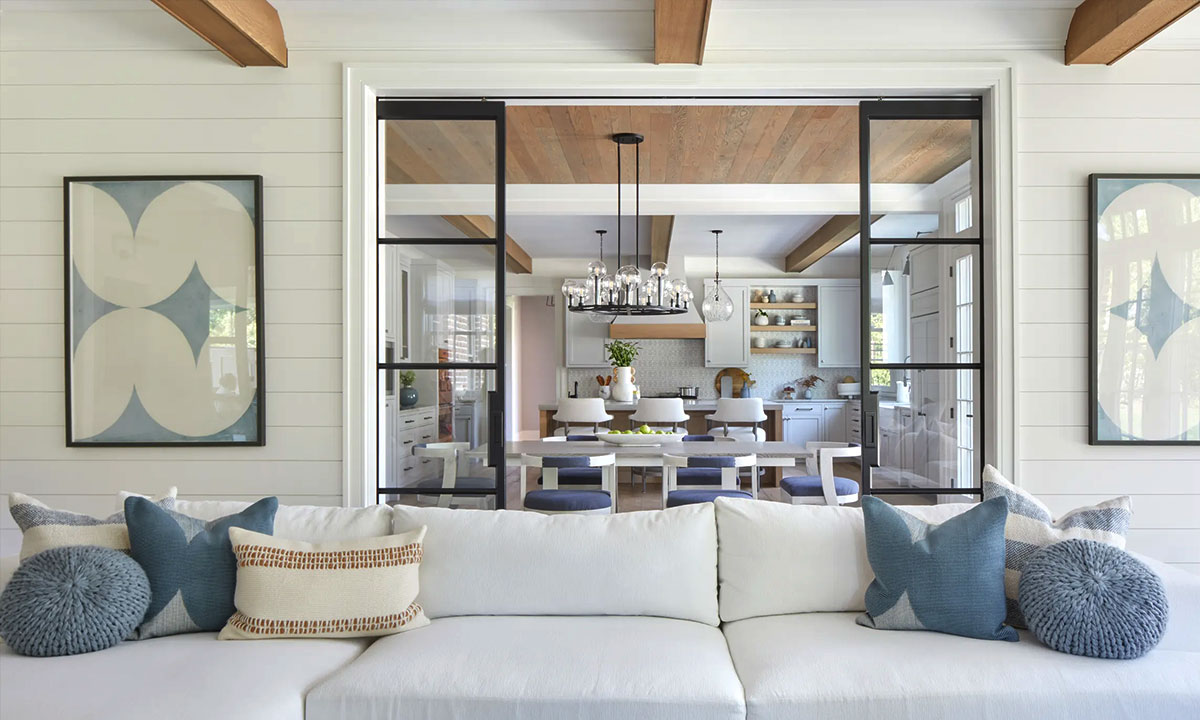
- Direction: Doors in the living room can face any direction, but east or north-facing doors are often considered auspicious.
- Placement: Ensure that the main entrance door is not directly aligned with the back door, as this may lead to a swift exit of positive energy.
3. Bedrooms: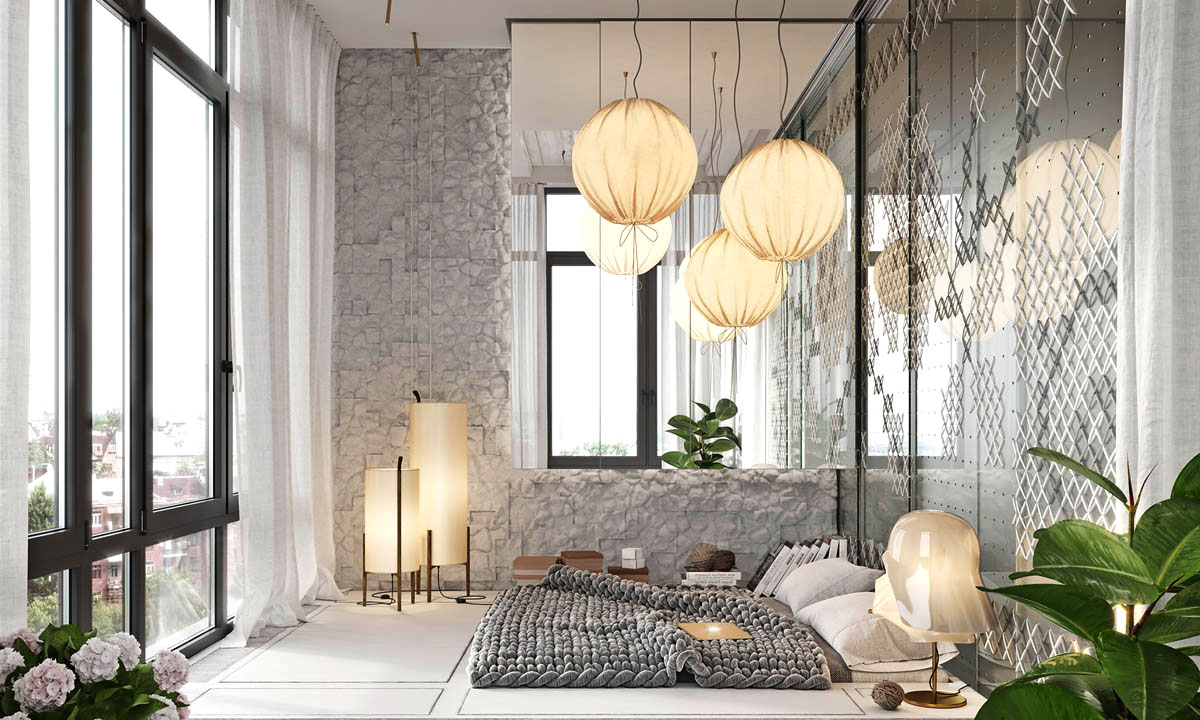
- Number of Doors: Bedrooms should ideally have one or two doors for privacy and tranquillity.
- Direction: East or west-facing doors are generally considered suitable. Avoid south-facing bedroom doors.
- Placement: The bedroom door should be positioned in a way that allows for a clear view of the entire room from the bed, promoting a sense of security.
4. Kitchen: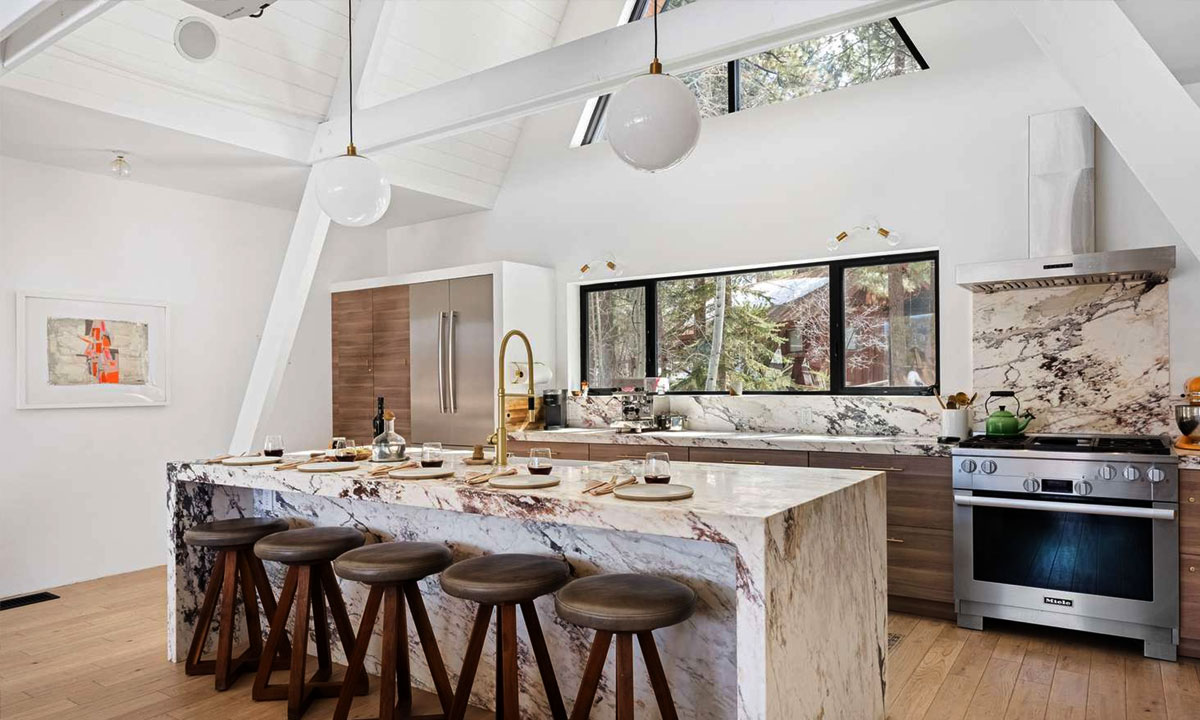
- Number of Doors: A kitchen may have one or two doors for easy access and ventilation.
- Direction: East or north-facing doors are preferred. Avoid south-facing kitchen doors.
- Placement: The main entrance to the kitchen should not face the main entrance of the house. The cooking stove should be visible from the kitchen entrance.
5. Bathroom and Toilet: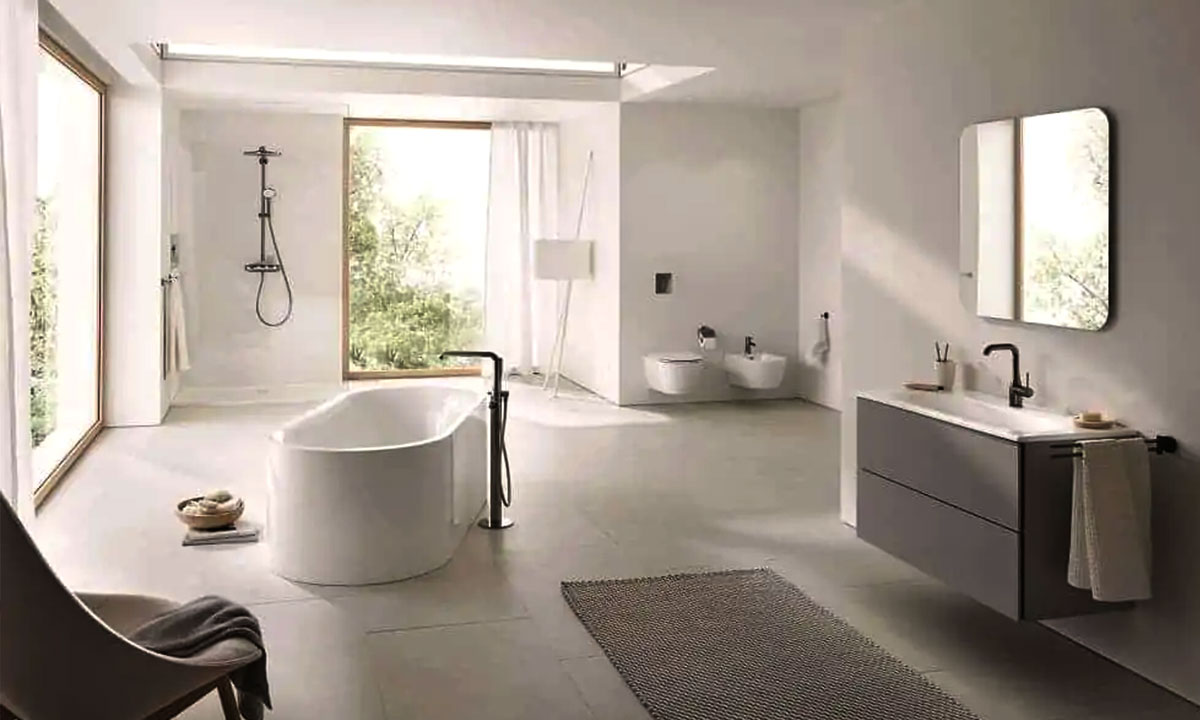
- Number of Doors: Bathrooms generally have one door for privacy.
- Direction: West or northwest-facing doors are recommended. Avoid east or northeast-facing doors.
- Placement: The bathroom door should be kept closed, and it's advisable not to have the bathroom door directly facing the bed or the kitchen.
6. Study or Home Office: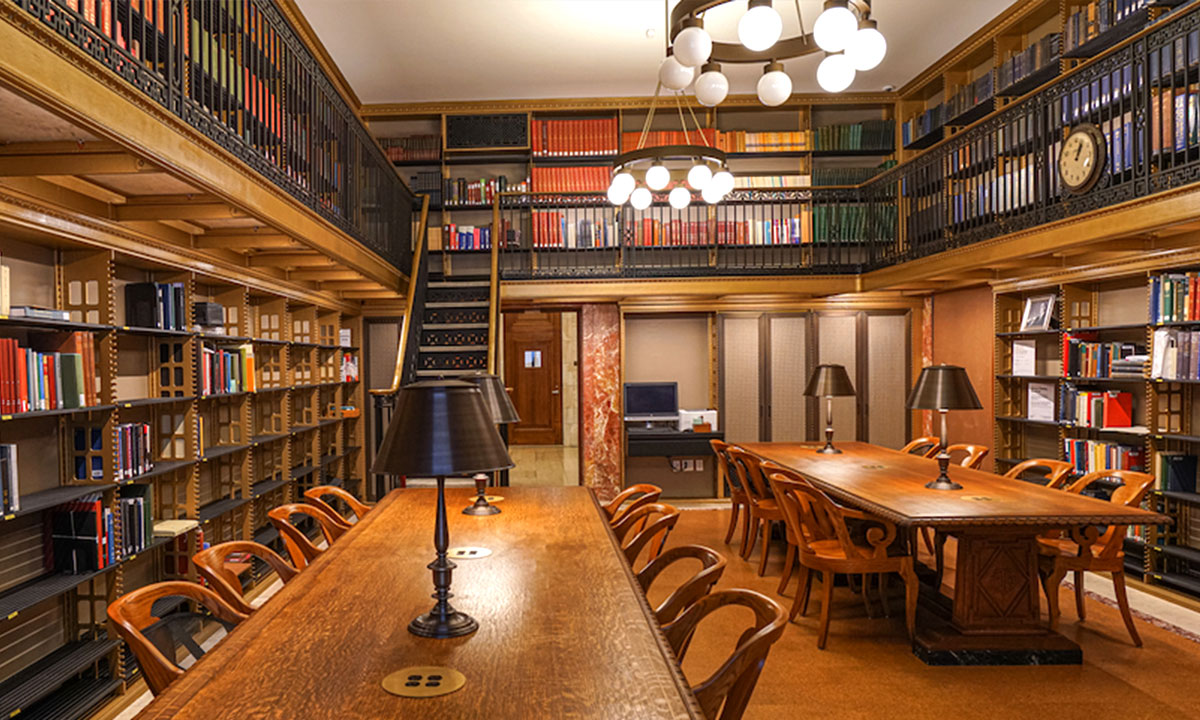
- Number of Doors: One door is generally sufficient for a study or home office.
- Direction: North or east-facing doors are considered conducive to concentration.
- Placement: The door should ideally be positioned so that the occupant faces either east or north while working.
7. Puja Room or Meditation Space: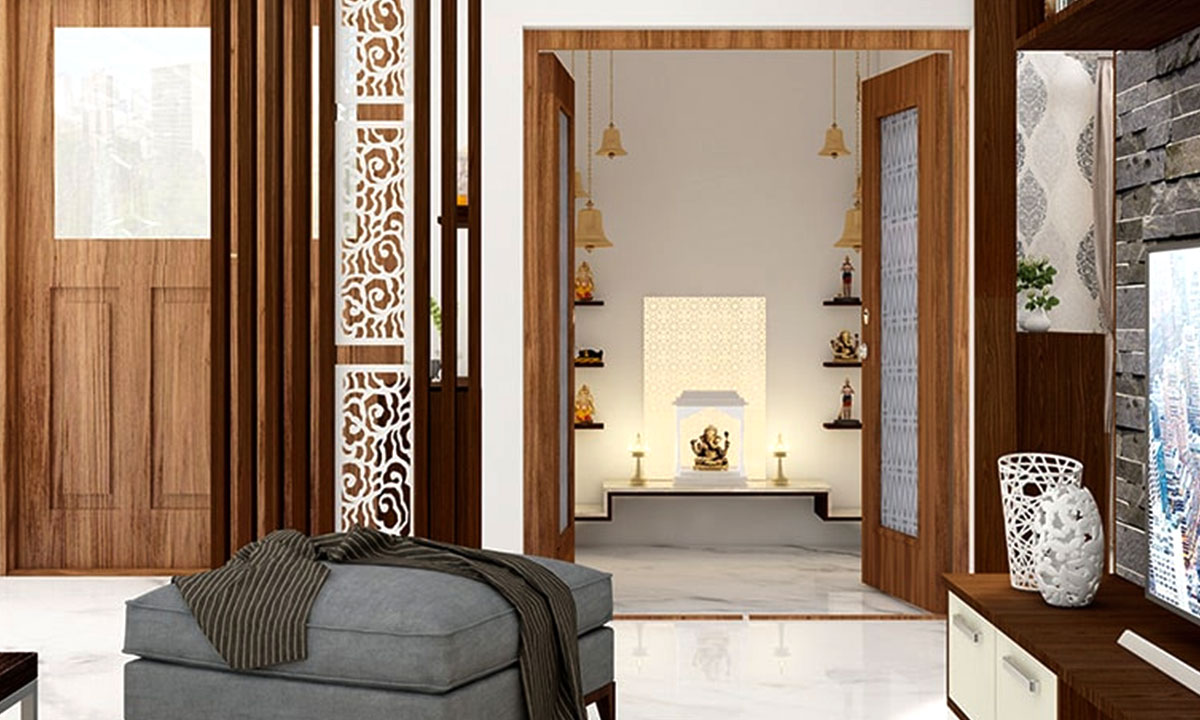
- Number of Doors: One door is sufficient for a puja room.
- Direction: East or northeast-facing doors are considered auspicious for a spiritual space.
- Placement: The door should be positioned so that it opens inward and provides a clear view of the deity or focal point.
8. Dining Room: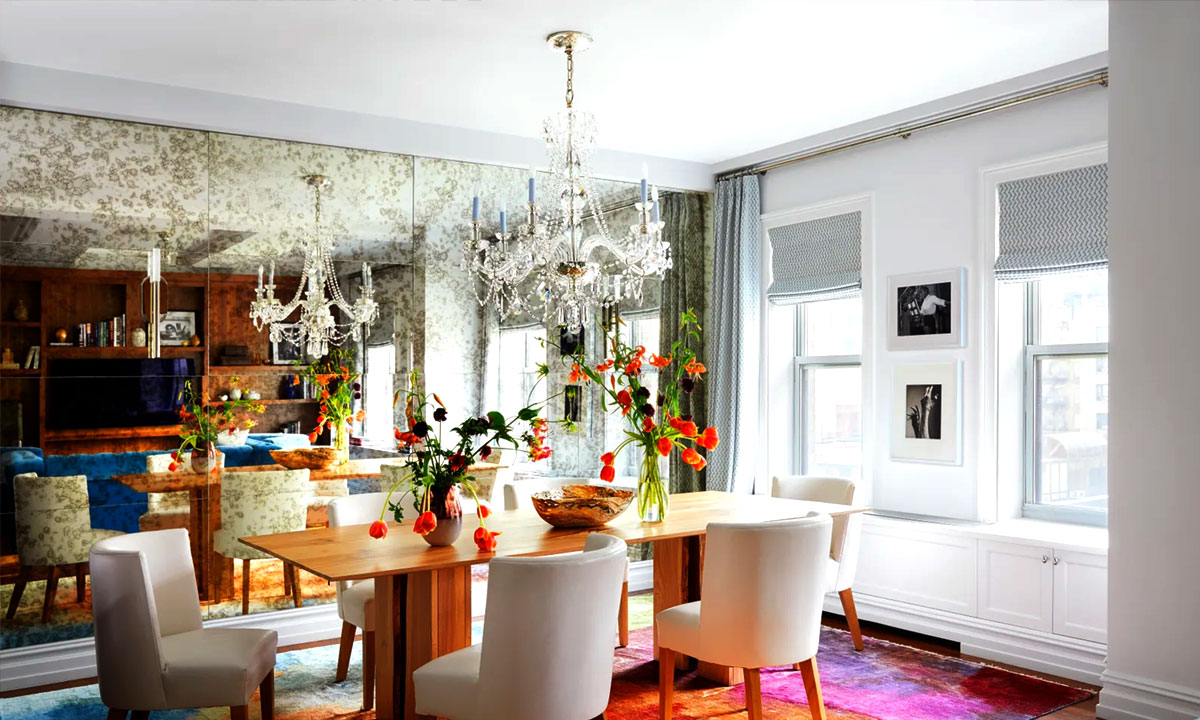
- Number of Doors: One or two doors for easy access and ventilation.
- Direction: West or east-facing doors are commonly recommended.
- Placement: The dining room door should not directly face the main entrance door to avoid the swift exit of positive energy during meals.
Adhering to these specific guidelines for door placement in different rooms according to Vastu principles aims to create an environment that supports the harmonious flow of energy, contributing to the overall well-being and positive experiences of the occupants. It's important to note that these guidelines provide general principles, and specific variations may be considered based on individual circumstances and the unique characteristics of each property.
Auspicious Directions for the Main Door Entrance - Vastu for Number of Doors to Attract Happiness and Goodluck
The direction in which the main entrance door faces is considered crucial in Vastu Shastra, as it influences the flow of energy, prosperity, and overall well-being within a home or building. Here are the auspicious directions for the main entrance door entrance according to Vastu principles:
North:
- Pros: The north is associated with wealth and prosperity in Vastu. A north-facing entrance is believed to invite positive energy and financial well-being into the home.
- Considerations: Ensure that the entrance is well-designed and well-lit to enhance the positive impact of the north-facing direction.
Northeast:
- Pros: The northeast is considered the most auspicious direction in Vastu. A main entrance facing northeast is believed to attract divine energy, promoting positivity, and spiritual growth.
- Considerations: Keep the entrance clutter-free and well-maintained to allow the unobstructed flow of positive energy.
East:
- Pros: An east-facing entrance is associated with the rising sun, symbolising new beginnings and vitality. It is considered auspicious for attracting positive energy and promoting health.
- Considerations: Ensure that the entrance is well-lit in the mornings and avoid any obstacles or obstructions in front of it.
West:
- Pros: The west is associated with social connections and creativity. A west-facing entrance is believed to encourage positive social interactions and enhance creativity.
- Considerations: Ensure that the entrance is well-lit in the evenings, and maintain a pleasing aesthetic to attract positive energy.
Northwest:
- Pros: The northwest is associated with air and communication. A northwest-facing entrance is believed to support communication and relationships within the household.
- Considerations: Keep the entrance well-ventilated and use light, cheerful colours to enhance the positive energy in the northwest direction.
While these directions are generally considered auspicious, it's important to note that the specific Vastu guidelines may vary based on individual factors such as the layout of the property, the surrounding environment, and the unique characteristics of the building. Additionally, the magnetic orientation of the property should be considered for accurate Vastu recommendations.
It is advisable to consult with a Vastu expert for personalised guidance, especially if there are challenges in aligning the entrance with the recommended directions. With proper attention to Vastu principles, the main entrance can serve as a powerful tool for inviting positive energy, prosperity, and overall well-being into a home or building.
Materials and the Colours Used for the Doors as per Vastu
In Vastu Shastra, the selection of materials and colours for doors is believed to have a profound impact on the energy flow within a space. The careful choice of door materials and colours is thought to enhance positive vibrations and create a harmonious environment. Here are guidelines for materials and colours for doors according to Vastu principles:
1. Door Materials:
Wood: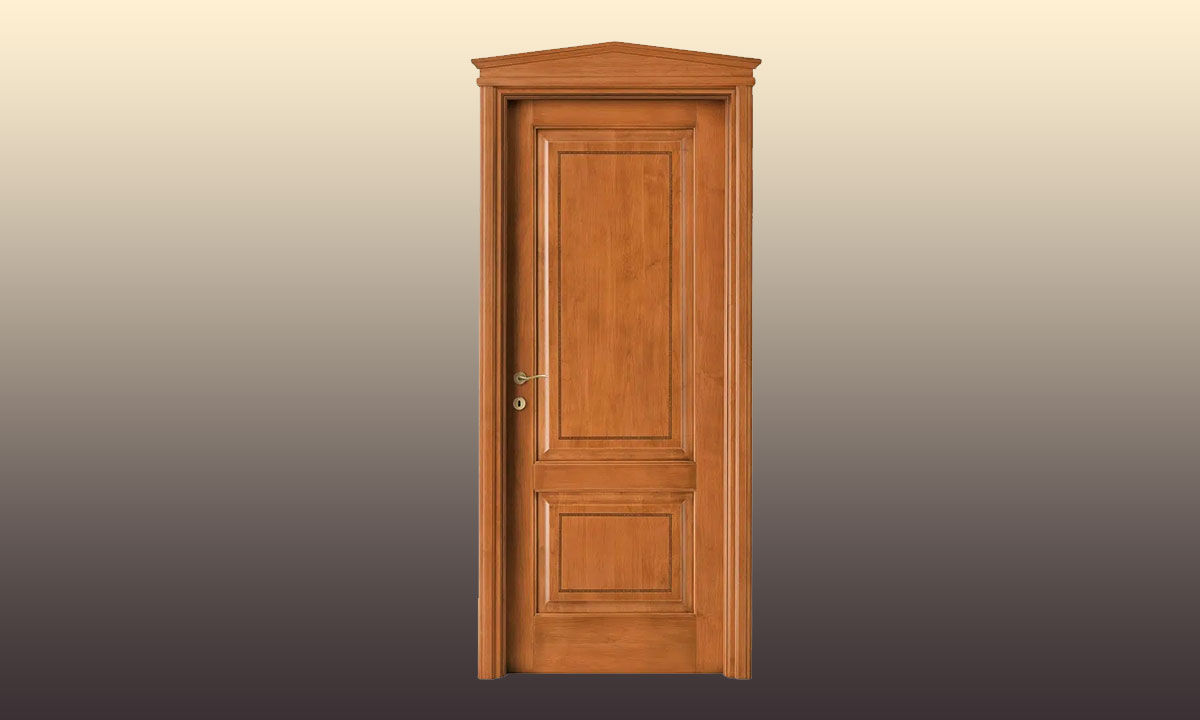
- Pros: Wood is considered a highly auspicious material for doors in Vastu. It is believed to have grounding qualities and is associated with natural elements.
- Considerations: Solid wood doors, preferably made from auspicious woods like teak or sheesham, are recommended for their durability and positive energy.
Metal: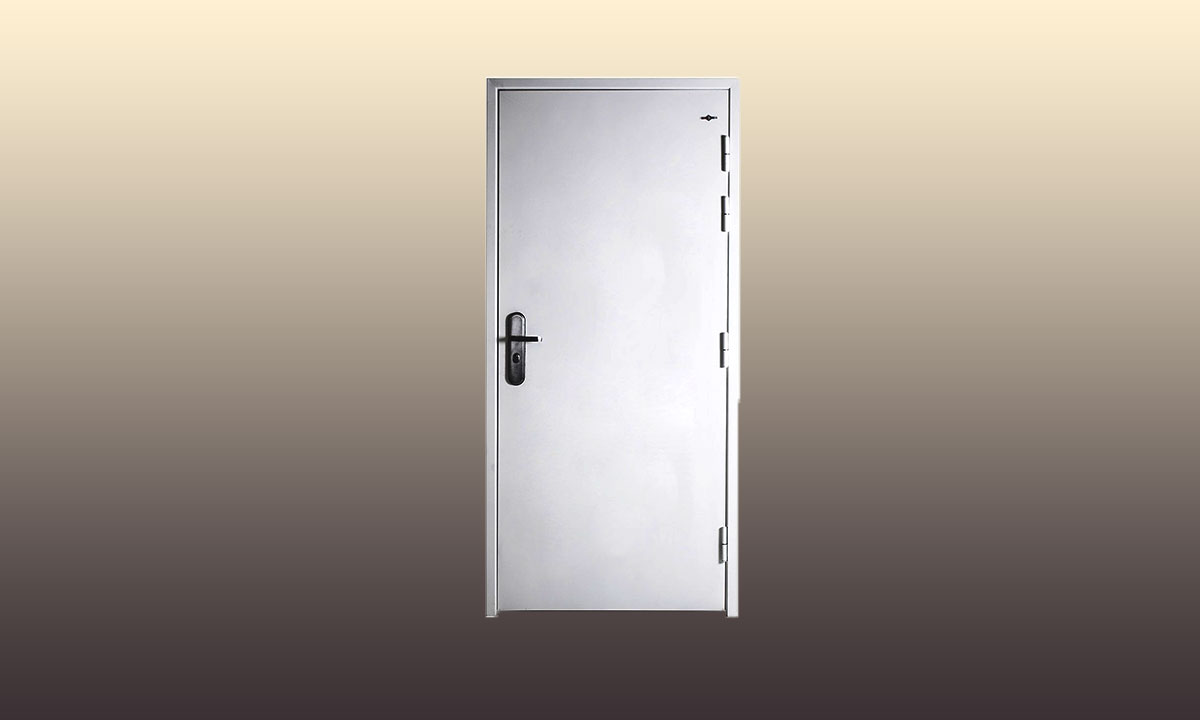
- Pros: Metal doors, particularly those made of iron, are associated with strength and security. They are believed to provide protection and stability.
- Considerations: Metal doors should be well-maintained to avoid rusting, and incorporating decorative elements can enhance their positive impact.
Glass: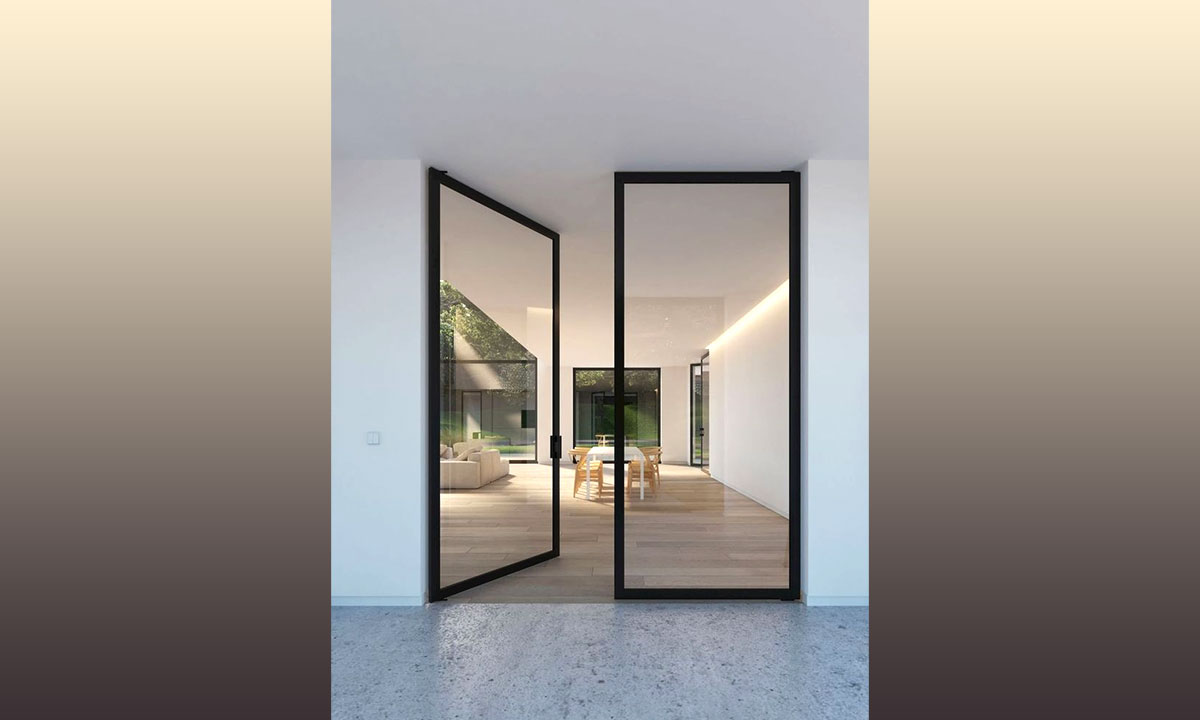
- Pros: Glass doors can be used in certain areas to allow natural light and enhance visual connections. They are associated with transparency and openness.
- Considerations: Ensure that glass doors are not directly facing the main entrance, and maintain privacy by using frosted or textured glass where necessary.
2. Door Colours:
White:
- Pros: White is associated with purity and clarity. It reflects light and is believed to promote positive energy and a sense of cleanliness.
- Considerations: White doors are suitable for almost any direction but can be particularly favourable for north and northwest-facing entrances.
Brown:
- Pros: Brown, especially in natural wood tones, symbolises stability and grounding. It is considered an earthy colour associated with nourishing energy.
- Considerations: Brown doors, especially in darker shades, are well-suited for the main entrance and are believed to attract positive energy.
Blue:
- Pros: Blue is associated with tranquillity and calmness. It is believed to promote a peaceful and serene atmosphere.
- Considerations: Blue doors can be suitable for entrances facing west, as the colour is associated with the water element and the setting sun.
Green:
- Pros: Green symbolises growth, harmony, and balance. It is associated with the natural world and is believed to attract positive vibrations.
- Considerations: Green doors can be considered for entrances facing east or northeast, aligning with the energy of new beginnings and growth.
Red:
- Pros: Red is associated with passion, vitality, and positive energy. It is believed to bring warmth and vibrancy to a space.
- Considerations: Red doors can be used for entrances facing south, as the colour is associated with the fire element and the energy of the sun.
Yellow:
- Pros: Yellow symbolises positivity, joy, and brightness. It is believed to bring optimism and energy to space.
- Considerations: Yellow doors can be considered for entrances facing northeast, as the colour aligns with the energy of new beginnings and auspiciousness.
While these guidelines provide general principles, it's important to consider the overall colour scheme of the property, the surrounding environment, and personal preferences. Additionally, maintaining the cleanliness and good condition of doors is essential to ensure a positive and harmonious living space according to Vastu principles.
Decorative Elements to Enhance Positive Energy for Main Doors in Homes
Decorating the main door of your home with positive and harmonious elements can create an inviting and auspicious atmosphere, according to Vastu Shastra. Here are some decorative elements to enhance positive energy for main doors:
Auspicious Door Design:
- Choose a well-designed and aesthetically pleasing main door. The design should be in proportion to the overall architecture of the house and create a positive first impression.
Torans or Door Hangings:
- Hang torans or decorative door hangings on the main entrance. These can be made of fresh flowers, mango leaves, or auspicious symbols. Torans are believed to welcome positive energies and signify prosperity.
Auspicious Symbols:
- Place auspicious symbols like Om, Swastika, or a conch shell near the main entrance. These symbols are associated with positive energy and can be incorporated into door hangings or small sculptures.
Threshold Decor:
- Decorate the threshold of the main door with rice or rangoli patterns during festive occasions. This practice is believed to purify the energy entering the home and invite positive vibes.
Good Luck Charms: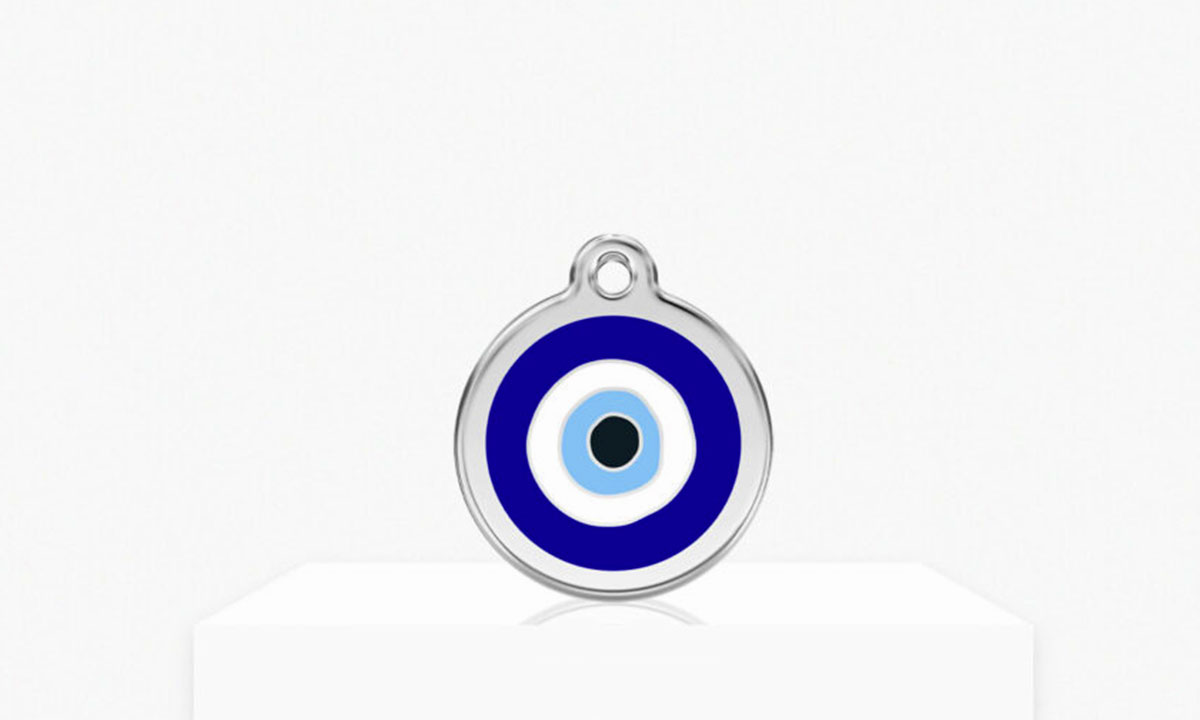
- Hang good luck charms, such as a horseshoe or the Evil Eye, on the main door. These charms are thought to ward off negative energies and bring good fortune to the household.
Nameplate or House Number:
- A decorative name plate or house number can be placed near the main door. Ensure that it is well-maintained and visually appealing. This not only enhances the positive energy but also helps attract prosperity.
Decorative Lighting:
- Install decorative lighting fixtures near the main door. Warm and inviting lights create a positive ambiance. Consider using wall sconces, lanterns, or pendant lights that complement the overall design.
Feng Shui Wind Chimes: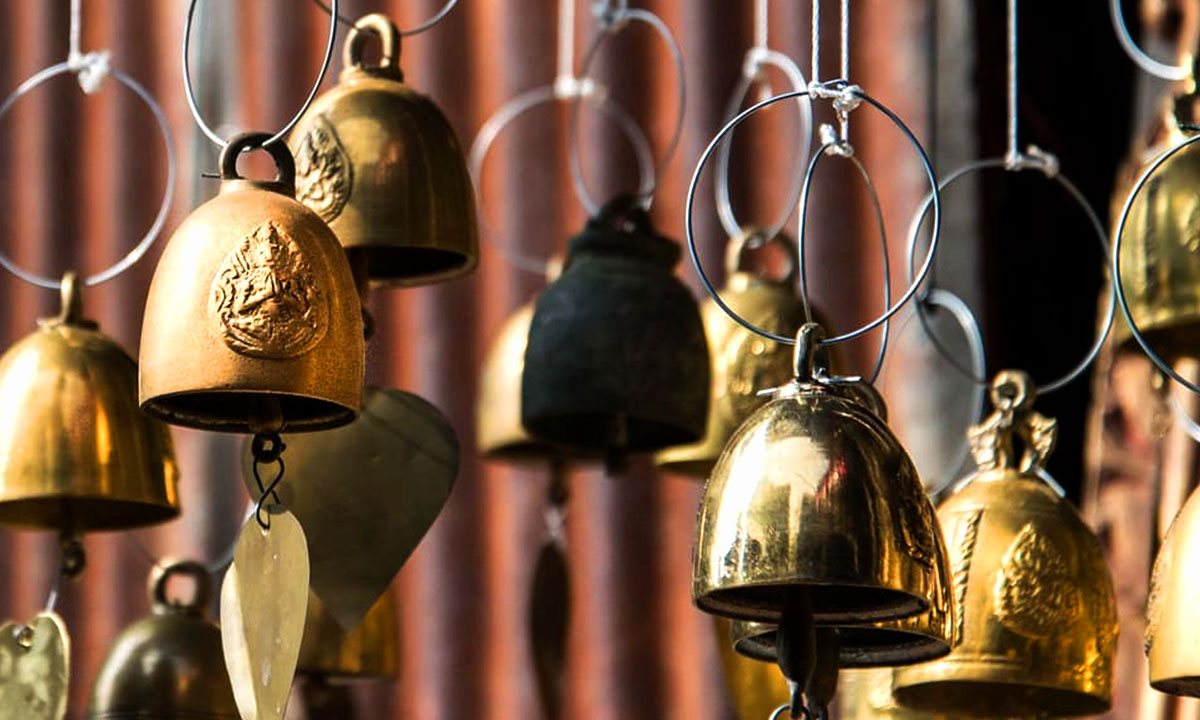
- Hang Feng Shui wind chimes near the main entrance. Wind chimes are believed to attract positive energy and deflect negative influences. Choose a melodious and pleasing set for a harmonious effect.
Sacred Geometry:
- Incorporate sacred geometry patterns or mandalas into the door design. These geometric patterns are believed to have spiritual significance and can enhance the positive energy flow around the entrance.
Lucky Colours:
- Choose colours for the main door that are considered lucky and harmonious according to Vastu. Colours like green, blue, or brown are often recommended for the main entrance.
Potted Plants or Flowers:
- Place potted plants or flower pots on either side of the main door. Greenery is associated with growth and positive energy. Ensure that the plants are well-maintained and vibrant.
Divine Statues or Images:
- Install statues or images of deities or divine figures near the main entrance. Ensure that these are placed at an appropriate height and do not obstruct the entrance.
When decorating the main door, it's crucial to maintain a clean and clutter-free entrance. Regular cleaning and upkeep of the decorative elements ensure that they continue to attract positive energy. Additionally, personal preferences and the overall aesthetics of the home should be considered to create a welcoming and positive energy-enhancing entrance.
Number of Internal Doors and Vastu
Vastu Shastra provides guidelines for the placement and number of internal doors within a home or building to ensure the smooth flow of positive energy. While individual circumstances and house layouts may vary, here are some general considerations regarding the number of internal doors in accordance with Vastu principles:
Balanced Distribution:
- Vastu emphasises the importance of maintaining a balanced distribution of doors throughout the house. The total number of internal doors should be proportionate to the size of the property.
- Avoid clustering too many doors in one area, as it may lead to the scattering of energy. Similarly, having too few doors may hinder the free flow of positive energy.
Bedrooms:
- Vastu recommends a moderate number of doors for bedrooms. Ideally, bedrooms should have one or two doors to maintain privacy and create a serene and restful atmosphere.
- Ensure that bedroom doors are positioned for easy access and do not directly face the main entrance
Living Room and Common Areas:
- The living room, being a central gathering space, may have multiple doors to facilitate the free flow of energy and social interactions. Common areas like dining rooms and entertainment rooms can also have more than one door.
- Ensure that the arrangement of doors in these areas encourages a harmonious energy flow.
Bathrooms and Toilets:
- Bathrooms and toilets typically have one door for privacy. It's important to keep these doors closed when not in use to prevent the spread of negative energy.
- Avoid positioning bathroom doors directly opposite the kitchen or bedroom doors.
Kitchen:
- The kitchen may have one or two doors for easy access and ventilation. The main entrance to the kitchen should not face the main entrance of the house.
- Ensure that the kitchen doors are in good condition and open smoothly, as they contribute to the overall energy of the house.
Study or Home Office:
- For a study or home office, one door is generally sufficient. The door should be positioned for optimal concentration and focus.
- Consider the placement of the door so that it aligns with conducive energy for work and study.
Avoiding Inauspicious Numbers:
- Vastu cautions against the use of inauspicious numbers for the total count of doors. Numbers like 4 are generally considered less favourable due to cultural associations, as the pronunciation of the number may sound like the word for 'death.'
- Choose door numbers that have positive connotations for a more auspicious energy.
Personalised Considerations:
- While Vastu principles provide general guidelines, it's essential to consider the specific needs and layout of your home. Individual factors such as the arrangement of rooms, furniture placement, and the overall flow of energy should be taken into account.
By maintaining a balanced and thoughtful distribution of internal doors according to Vastu principles, you can contribute to a harmonious and positive living environment within your home. Personalised advice from a Vastu expert may be sought for specific recommendations based on the unique characteristics of your property.
Creating a Balanced Flow of Energy Through Door Placement
Creating a balanced flow of energy through door placement is a concept rooted in various architectural and design philosophies, including Feng Shui. The idea is to promote harmony, positive energy, and a sense of well-being within a space by strategically positioning doors. Here are some considerations and tips to achieve a balanced flow of energy through door placement:
Front Door Alignment:
- In Feng Shui, the front door is considered the main entry point for energy or "Chi" to enter a home. Ensure that the front door is aligned with the architectural features of the building and is not obstructed by obstacles like trees, large furniture, or sharp objects. A clear and inviting pathway to the front door allows energy to flow smoothly into the space.
Balancing Yin and Yang:
- Consider the balance of yin and yang energies. Yin energy is associated with receptivity and relaxation, while yang energy is more active and dynamic. Strive for a balance between these two energies by placing doors in a way that allows a harmonious blend of natural light and privacy.
Avoid Direct Alignment of Doors:
- In Feng Shui, it is generally recommended to avoid direct alignment of doors, as this may lead to the swift flow of energy through a space, preventing it from circulating and nourishing different areas. Offset the alignment by creating curves or angles in the pathways.
Use of Mirrors:
- Mirrors can be strategically placed to redirect and enhance the flow of energy. They can create the illusion of a larger space and help distribute natural light, contributing to a more balanced atmosphere.
Consider the Bagua Map:
- The Bagua Map is a tool used in Feng Shui to map out different areas of a home and correlate them with specific life aspects. By aligning doors with the corresponding sections of the Bagua Map, you can enhance the energy associated with particular areas of your life, such as career, relationships, or health.
Natural Elements and Materials:
- Incorporate natural materials and elements into the design of doors. Wood, stone, or metal doors can create a sense of stability and connection with nature, enhancing the overall flow of energy.
Adequate Lighting:
- Ensure that doorways are well-lit, both from natural and artificial sources. Ample lighting not only creates a welcoming atmosphere but also encourages the smooth flow of energy throughout the space.
Personalised Solutions:
- Each space is unique, and the optimal door placement may vary depending on the specific characteristics of the environment. Consider consulting with a Feng Shui expert or an architect with expertise in energy flow for personalised recommendations.
By carefully considering the placement of doors and their alignment with energy principles, you can create a balanced and harmonious environment that supports positive energy flow throughout your living or working space.
Understanding the Relationship between Doors and the Five Elements
In various traditional belief systems and philosophies, including Feng Shui, understanding the relationship between doors and the five elements is considered crucial for creating a harmonious and balanced living or working environment. The five elements - Wood, Fire, Earth, Metal, and Water - are believed to represent different energies and qualities. Here's a brief exploration of the relationship between doors and the five elements:
Wood Element:
- Associated Qualities: Growth, flexibility, vitality.
- Door Connection: Wooden doors symbolise the Wood element and are believed to promote positive energy associated with growth and expansion. Consider using wooden doors or incorporating wood elements in the door design to enhance this energy.
Fire Element: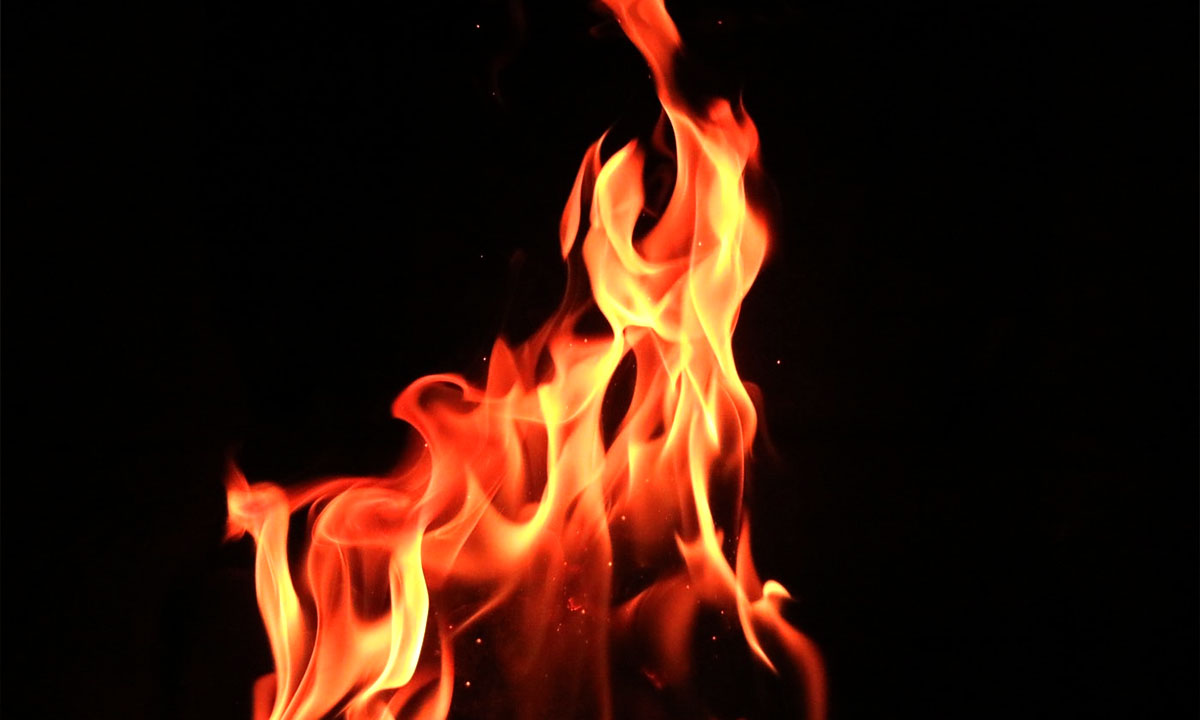
- Associated Qualities: Passion, transformation, energy.
- Door Connection: Doors with red or fiery hues are associated with the Fire element. Such doors can symbolise passion and vibrant energy. However, it's essential to strike a balance, as excessive Fire energy may lead to restlessness. Choose warm tones wisely and avoid overwhelming spaces with fiery colours.
Earth Element: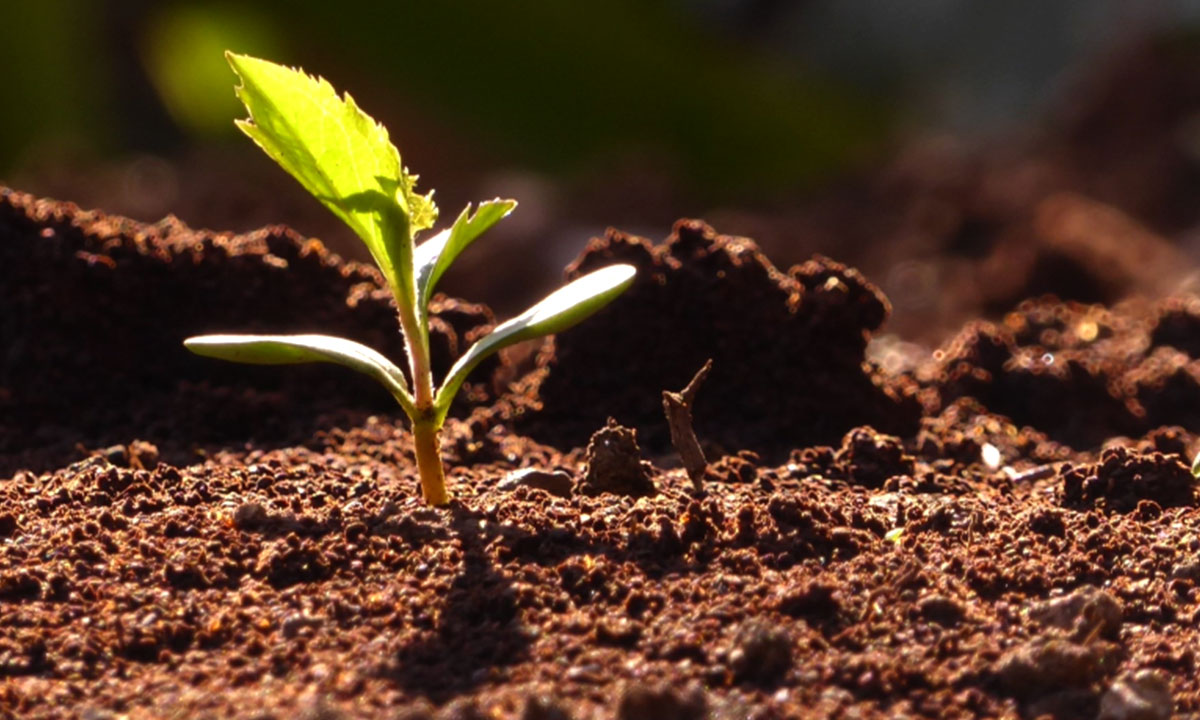
- Associated Qualities: Stability, nurturing, grounding.
- Door Connection: Earthy tones and materials like stone or ceramic can represent the Earth element. Doors with earthy colours can contribute to a stable and grounded atmosphere. Placing plants or natural elements near the entrance also enhances the Earth energy, promoting balance and nourishment.
Metal Element: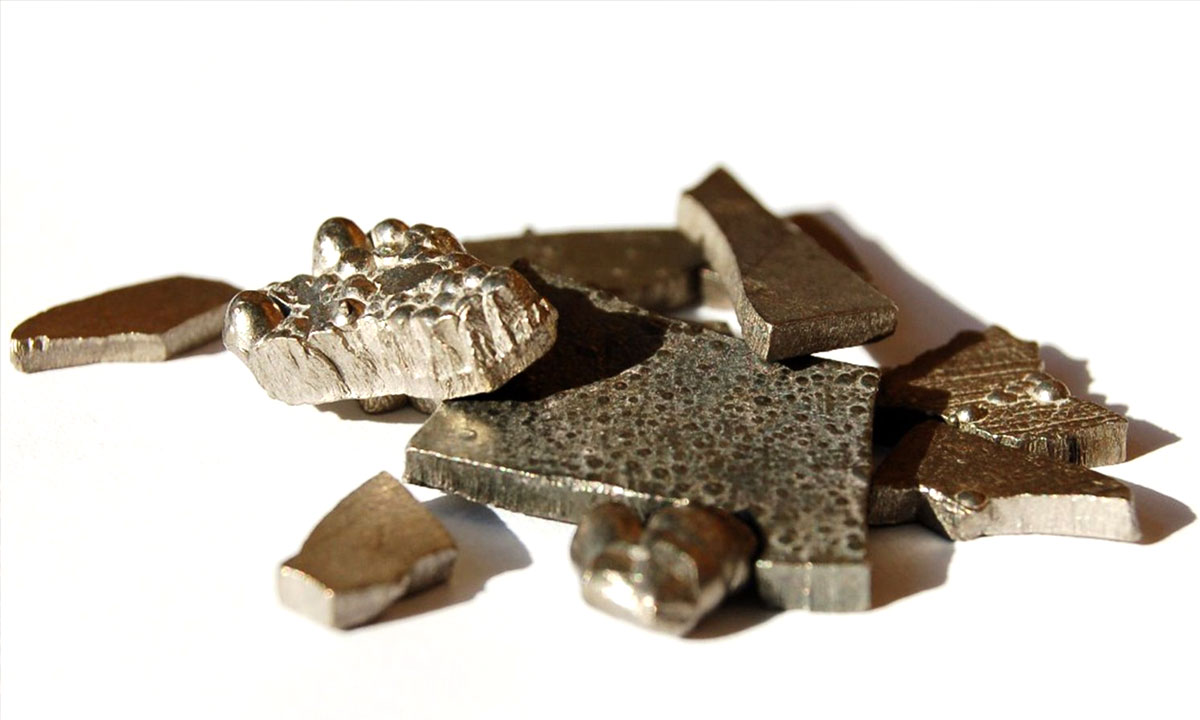
- Associated Qualities: Precision, clarity, strength.
- Door Connection: Metal doors or doors with metal accents represent the Metal element. These doors can convey a sense of strength and precision. However, be mindful of creating a balance, as an excess of Metal energy may lead to rigidity. Consider incorporating metal elements in the door hardware or design.
Water Element:
- Associated Qualities: Flow, adaptability, abundance.
- Door Connection: Blue or black doors are often associated with the Water element. These colours can evoke a sense of flow and abundance. Additionally, incorporating water features or reflective surfaces near the entrance can enhance the Water energy, promoting adaptability and a smooth flow of energy.
Balancing the Elements:
- Strive for a harmonious representation of all five elements in the overall design and placement of doors. A balanced combination of Wood, Fire, Earth, Metal, and Water energies contributes to a well-rounded and positive living or working space.
Bagua and Elemental Associations:
- In Feng Shui, the Bagua Map is used to map out different life aspects within a space. Each area of the Bagua is associated with a specific element. Aligning doors with the corresponding elemental areas can enhance the energy related to those life aspects.
Understanding and integrating the relationship between doors and the five elements can be a valuable approach to creating a holistic and energetically balanced environment. Whether you follow traditional belief systems or not, these principles can provide insights into the aesthetics and energy flow within your living or working space.
Symbolic Significance of Doors as per Vastu - Vastu for Number of Doors to Attract Happiness and Goodluck
Vastu Shastra, an ancient Indian architectural and design philosophy, places significant importance on the symbolic significance of doors in a building. According to Vastu, doors are not merely physical barriers but are considered channels for the flow of energy, and their placement and design can profoundly impact the well-being and harmony of the occupants. Here are some key symbolic aspects of doors in Vastu:
Entrance as a Gateway of Energy:
- The entrance door is considered the primary gateway for energy (Prana) to enter a space. It is believed to influence the overall energy flow within the building. A well-positioned and aesthetically pleasing entrance door is thought to attract positive energy and prosperity.
Directional Alignment:
- Vastu emphasises the importance of aligning doors in specific directions to harness beneficial cosmic energies. For example, the main entrance door is often recommended to face north, east, or northeast for positive energy flow. However, the precise direction can vary based on individual horoscopes and the specific Vastu requirements of a building.
Materials and Colors:
- The materials and colours used for doors are believed to influence the energy within a space. Vastu suggests using solid and sturdy materials like wood for doors, as it symbolises stability and warmth. Additionally, auspicious colours such as red, green, and brown are commonly recommended for entrance doors to attract positive vibrations.
Threshold and Elevation:
- The threshold of a door is considered a sacred space in Vastu. It is advised to keep this area clean and free from obstructions to allow the smooth flow of energy. The entrance door should ideally be elevated slightly above ground level to prevent the entry of negative energies.
Door Shape and Design:
- The shape and design of doors also hold symbolic significance. Vastu recommends avoiding irregularly shaped doors or those with sharp edges, as they may disrupt the flow of positive energy. It is preferable to have doors with a pleasing and auspicious design to create a welcoming atmosphere.
Number of Doors:
- Vastu suggests a balanced distribution of doors throughout a building. An excess or deficiency of doors in specific directions can impact the energy balance. Too many doors in the south or southwest, for example, are thought to be inauspicious.
Bedroom Door Placement:
- The placement of bedroom doors is given special consideration in Vastu. Doors should ideally face east for the head of the family or individuals seeking spiritual growth, while doors facing south may be suitable for leaders or those in authoritative roles.
Staircase and Main Door Alignment:
- Vastu advises against aligning the main entrance door directly with a staircase, as it is believed to lead to financial and health-related challenges. The main door and staircase should be positioned to allow smooth energy flow without obstruction.
In Vastu, doors are viewed as more than functional elements; they are considered conduits for cosmic energies that influence the overall well-being of the occupants. By aligning doors according to Vastu principles, it is believed that one can enhance the positive energy flow, promote prosperity, and create a harmonious living or working environment.
Remedies for Curing Negative Door Placements
In Vastu and other architectural philosophies, negative door placements are believed to disrupt the natural flow of energy within a space, potentially leading to various challenges and obstacles in the lives of the occupants. If you find that your doors are in a position considered unfavourable according to Vastu principles, here are some remedies that are commonly suggested:
Use of Mirrors: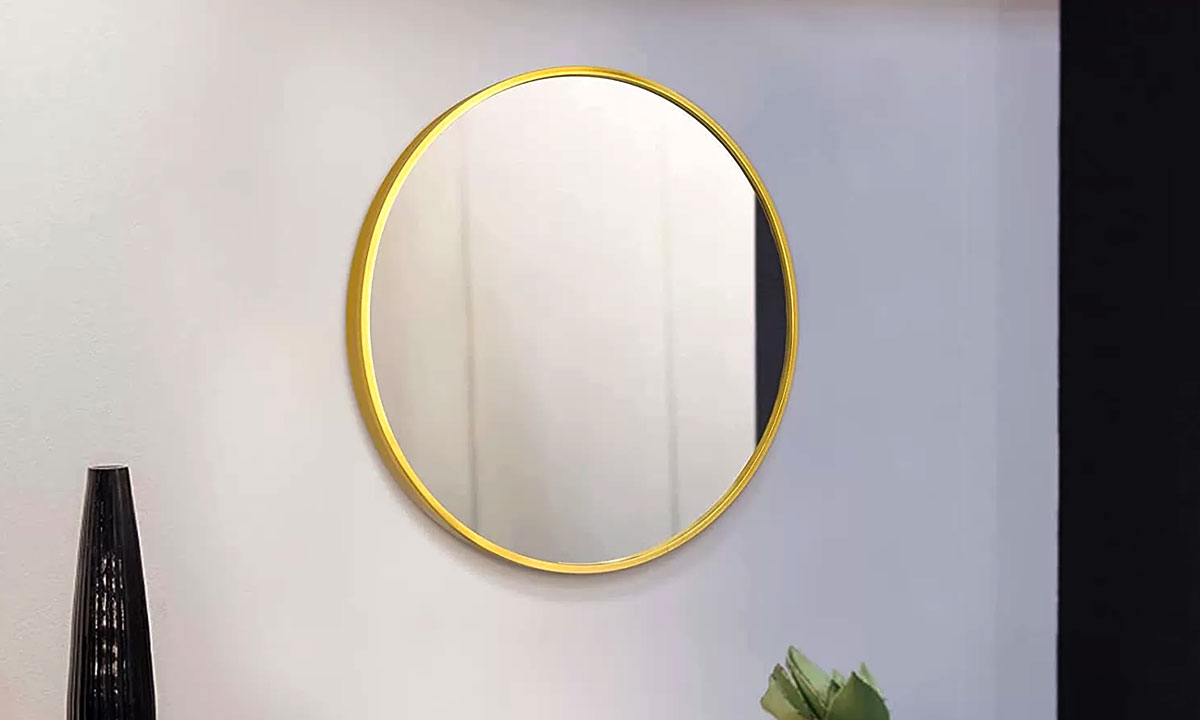
- Placing mirrors on the door or adjacent walls is a common remedy. Mirrors are believed to deflect negative energy and can help create the illusion of space. However, it's crucial to be mindful of the mirror placement, ensuring that it reflects positive aspects of the room.
Door Color and Decor:
- Changing the colour of the door or adding auspicious symbols and decorations can be a remedy. Vibrant and positive colours, such as red or green, are often recommended. Additionally, decorating the door with symbols or images representing prosperity and protection can help counterbalance negative energies.
Threshold Cleansing: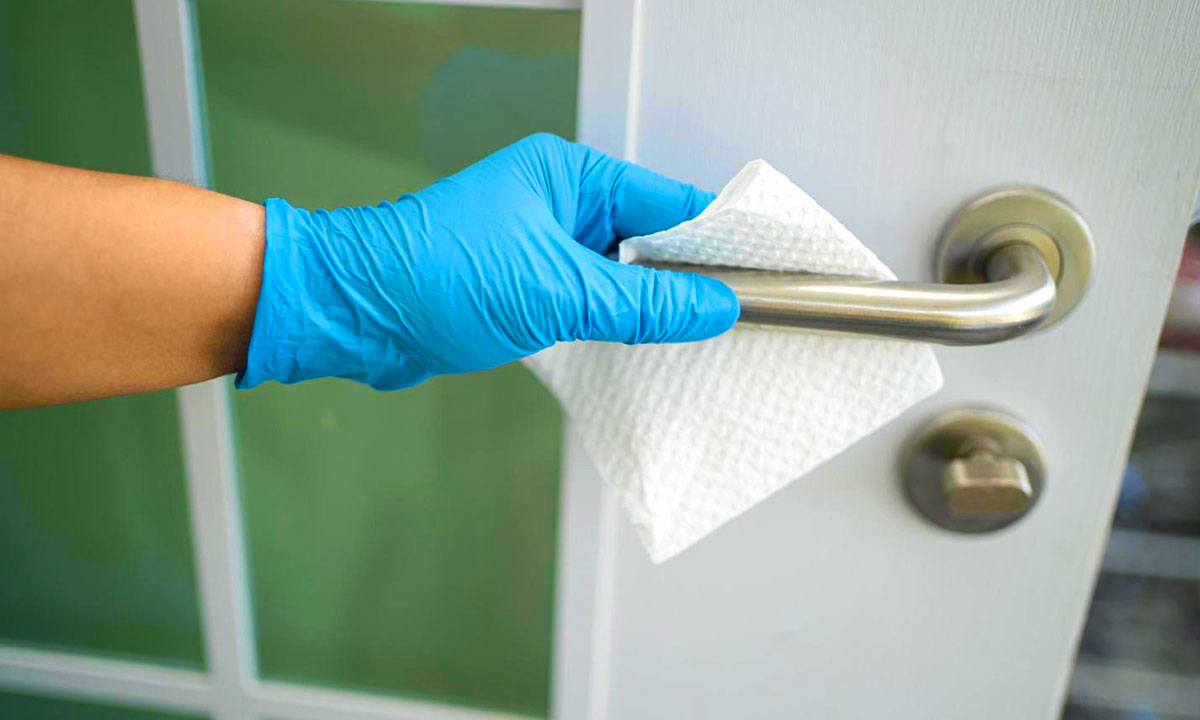
- Regularly cleaning and purifying the threshold of the door is considered a remedy to remove negative energy. This involves sweeping and washing the doorstep with saltwater or a mixture of water and turmeric. It is believed to create a barrier against negative influences.
Plants and Flowers: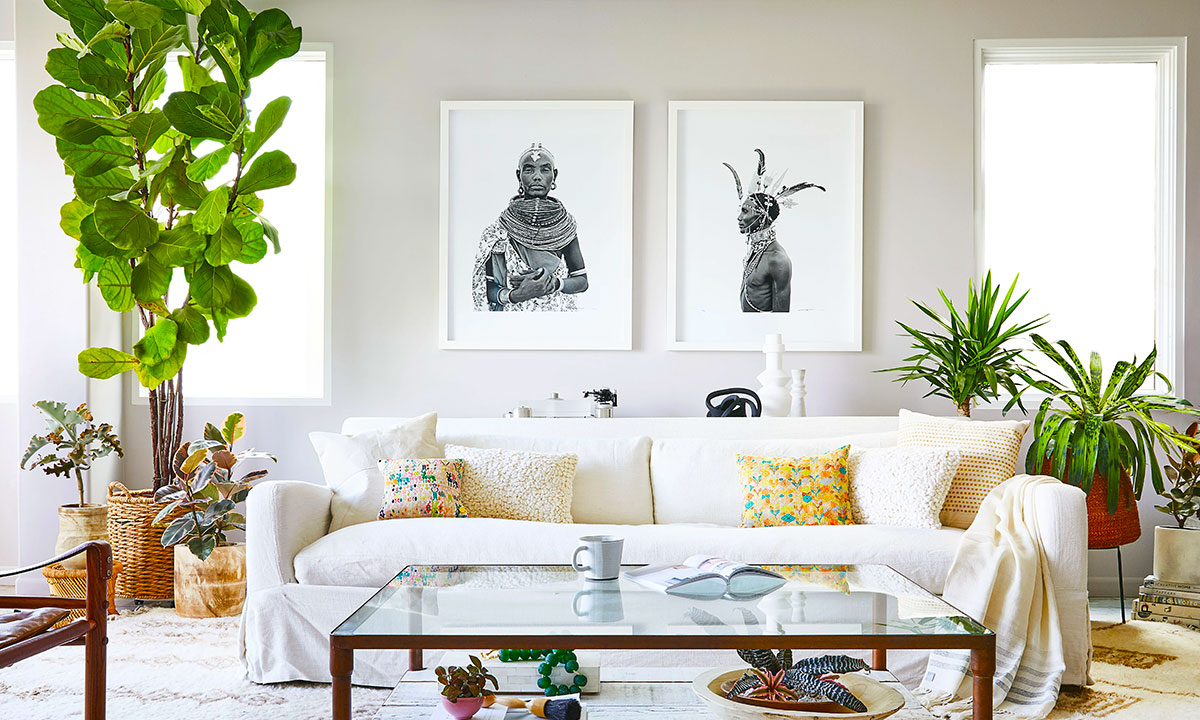
- Placing potted plants or fresh flowers near the door can introduce positive energy and vibrancy. The presence of greenery is associated with growth and vitality, counteracting negative influences. Choose plants that are well-suited for the available light conditions.
Doorway Protection Yantras: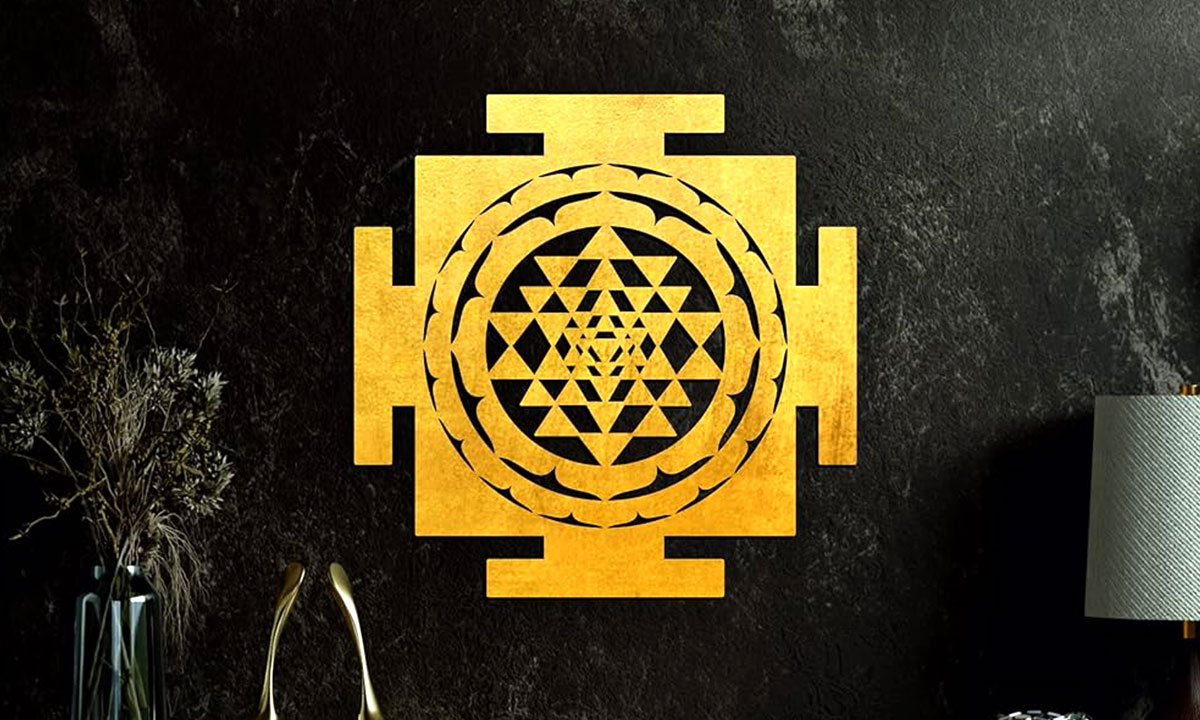
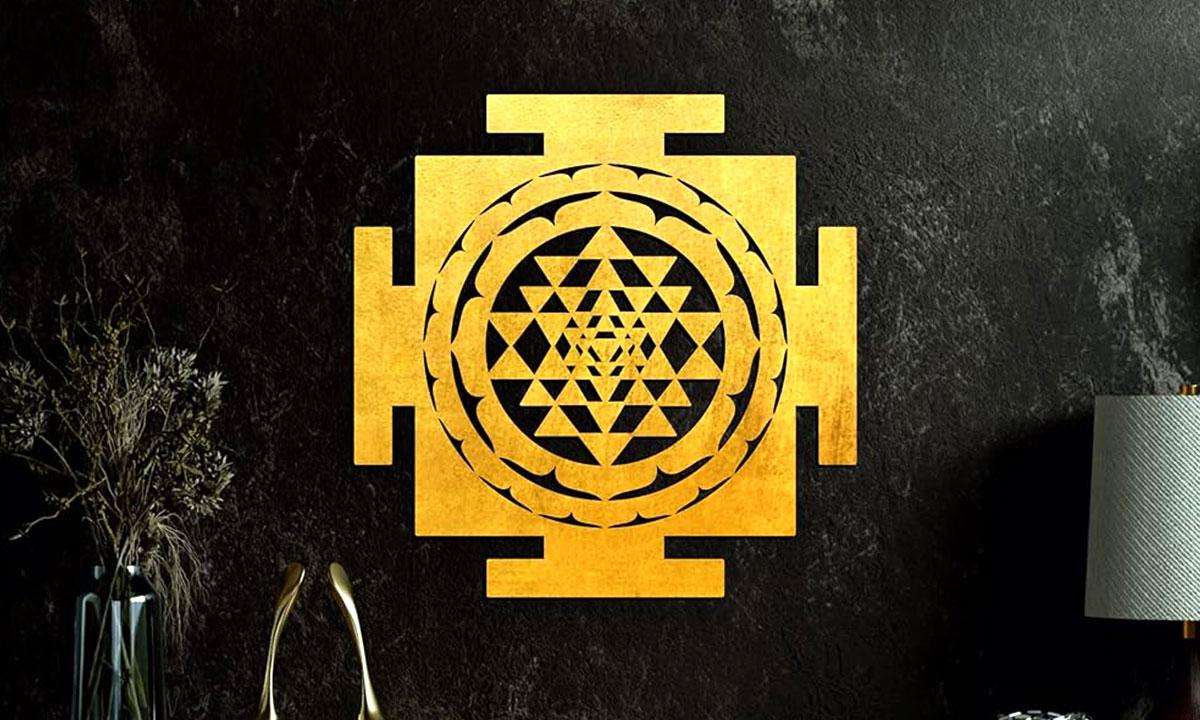
- Installing specific Vastu Yantras or symbols near the doorway is believed to neutralise negative energies. These may include the use of powerful geometric patterns or religious symbols that are considered auspicious.
Metallic Objects: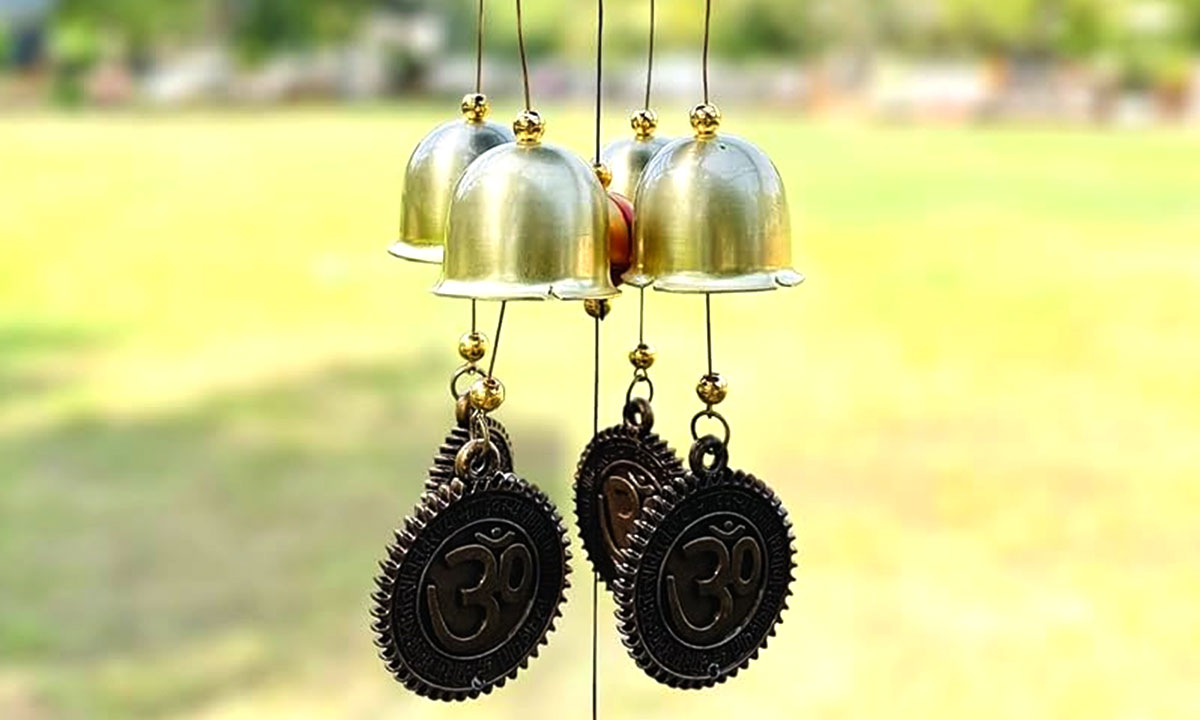
- Placing metallic objects such as wind chimes or bells near the door is thought to disperse negative energy. The sound produced by these objects is believed to create positive vibrations and cleanse the surrounding space.
Crystal Energy:
- Hanging crystals or gemstones near the door is thought to harmonise energy and create a positive atmosphere. Crystals are believed to have natural healing properties that can counteract negative influences.
Divine Symbols and Idols: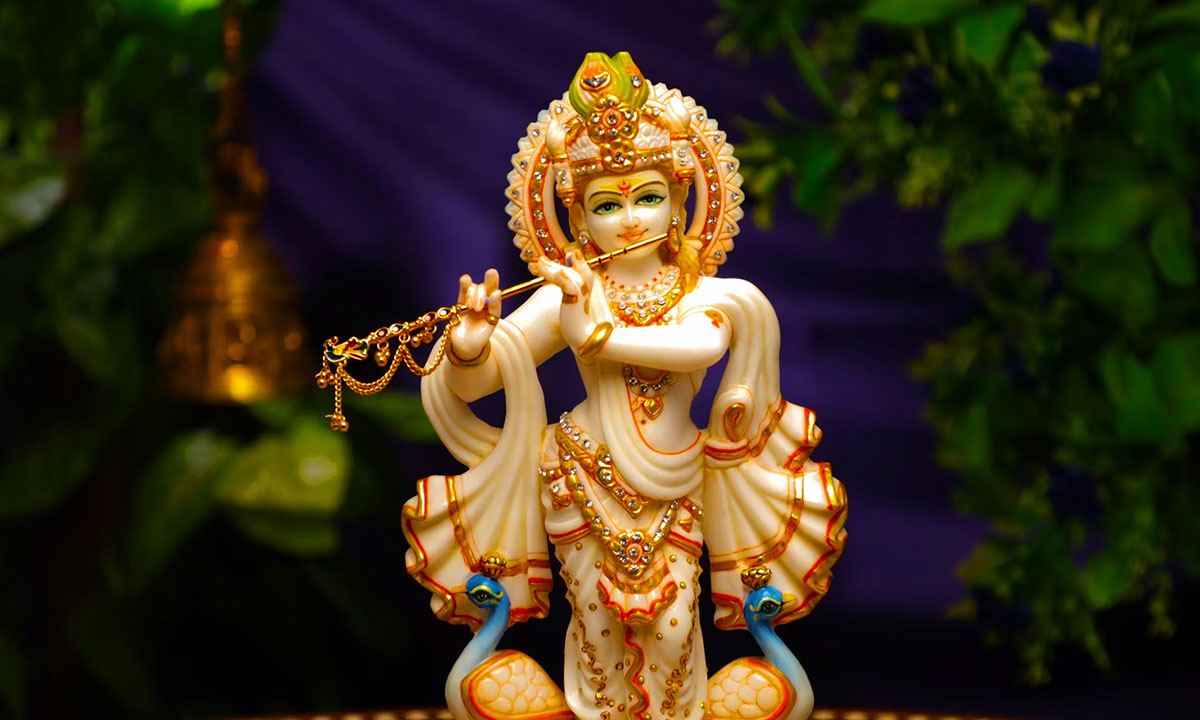
- Placing symbols or idols representing deities and positive forces can be a remedy. It is believed that the presence of divine energies can protect the space and its occupants from negative influences.
Repositioning Furniture: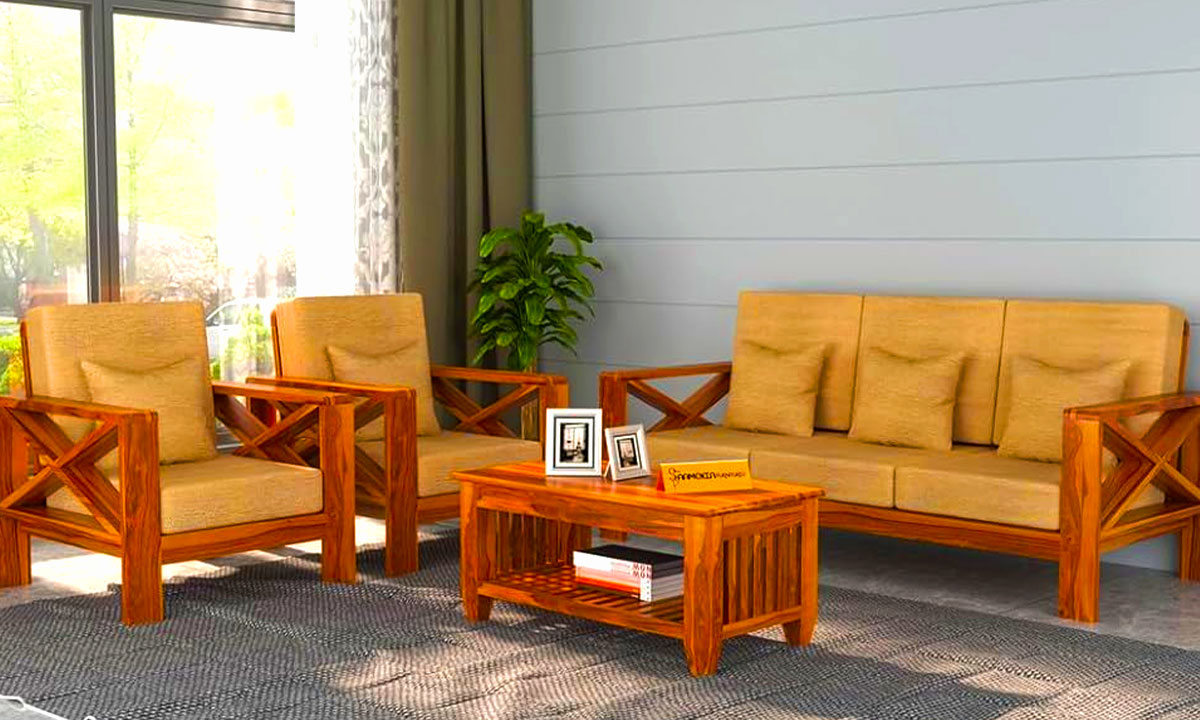
- Rearranging furniture and elements within the room can help redirect the flow of energy. Creating a balanced and clutter-free environment can positively impact the energy dynamics of the space.
Consultation with a Vastu Expert:
- For a more personalised approach, consider consulting with a Vastu expert. They can assess the specific conditions of your space, provide tailored recommendations, and suggest remedies based on your individual circumstances.
It's important to note that while these remedies are based on traditional beliefs, their effectiveness may vary from person to person. Additionally, combining multiple remedies and maintaining a positive and harmonious environment through cleanliness and organisation can contribute to an overall improvement in the energy flow within your living or working space.
Implementing Vastu-Friendly Enhancements for Existing Doors
Implementing Vastu-friendly enhancements for existing doors involves making adjustments and additions to align the energy flow according to Vastu principles. Here are some practical suggestions for improving the Vastu of existing doors:
Colour Correction:
- Consider repainting the door in Vastu-approved colours. For instance, red, green, brown, or other warm and earthy tones are generally considered auspicious. Choose a colour that complements the overall colour scheme of the space while aligning with Vastu principles.
Symbolic Decor:
- Enhance the energy around the door by incorporating symbols or decorations associated with positive energy and prosperity. Consider using auspicious symbols, religious icons, or images that convey a sense of well-being. Be mindful of cultural preferences and personal beliefs when choosing decorations.
Door Shape and Design:
- If the existing door has sharp edges or an irregular shape, consider adding a decorative element like a wooden border or trim to soften its appearance. The goal is to create a pleasing and harmonious design that aligns with Vastu principles.
Threshold Cleansing:
- Regularly clean the threshold of the door with a mixture of saltwater or water with turmeric. This practice is believed to purify the entrance, creating a positive and protective energy barrier.
Mirrors for Reflection:
- Strategically place mirrors near the door to deflect negative energy and enhance the perception of space. Ensure that the mirror reflects positive aspects of the room and is not positioned in a way that creates visual disturbances.
Door Accessories:
- Consider adding Vastu-friendly accessories such as torans (decorative door hangings), auspicious symbols, or attractive door handles. These additions can contribute to a positive and welcoming entrance.
Natural Elements:
- Introduce natural elements near the door, such as potted plants or fresh flowers. Greenery symbolises growth and vitality, and it can help balance the energy flow in the space. Choose plants that thrive in the available light conditions.
Doorway Yantras:
- Install Vastu Yantras or symbols near the door to counterbalance negative energies. Yantras are geometric patterns with specific energy properties, and placing them strategically can help harmonise the energy flow.
Metallic Enhancements:
Hang wind chimes or bells made of metal near the door. The sound produced by these objects is believed to disperse negative energy and introduce positive vibrations into the environment.
Divine Energies:
- Place small idols or symbols of deities associated with positive energies near the door. This can create a protective and auspicious atmosphere, according to Vastu beliefs.
Furniture Arrangement:
- Evaluate the placement of furniture near the door and ensure that it allows for a smooth flow of energy. Avoid clutter and obstruction in the pathway leading to the door.
Consultation with a Vastu Expert:
- For personalised guidance, consider consulting with a Vastu expert. They can assess the specific conditions of your space, provide tailored recommendations, and guide you in implementing Vastu-friendly enhancements for your existing doors.
It's important to approach these enhancements with an open mind and a positive intention. While Vastu principles offer guidance, individual experiences and preferences may vary. By incorporating these enhancements, you can create a Vastu-friendly atmosphere and potentially enhance the positive energy flow within your home or workplace.
Practical Steps for Aligning Doors With Vastu Principles
Aligning doors with Vastu principles involves considering the direction, placement, and design of the doors to enhance positive energy flow within a space. Here are practical steps you can take to align doors with Vastu:
Determine the Main Entrance Direction:
- Identify the direction of the main entrance or the direction in which the door faces. Vastu principles often recommend that the main entrance faces north, east, or northeast for positive energy flow. Use a compass or consult a Vastu expert to determine the correct orientation.
Correcting Inauspicious Door Directions:
- If the existing main entrance faces inauspicious directions like south, southwest, or northwest, consider correcting the door placement. This may involve closing the existing door and creating a new entrance in a more favourable direction.
Balancing Door Openings:
- Ensure a balanced distribution of doors throughout the building. Too many doors in certain directions can disrupt the flow of energy. Balance is essential for maintaining a harmonious atmosphere. Consult a Vastu expert if there's an imbalance in door placement.
Door Shape and Design:
- Pay attention to the shape and design of the door. Vastu recommends avoiding irregularly shaped doors or those with sharp edges, as they may create negative energy. Opt for doors with pleasing and auspicious designs to promote positive vibrations.
Correcting Door Size:
- According to Vastu, doors should neither be too small nor too large. A proportionate and appropriately sized door is believed to allow positive energy to enter smoothly. If necessary, consider adjusting the size of the door to align with Vastu guidelines.
Elevate the Doorstep:
- Ensure that the entrance door is slightly elevated above ground level. This is believed to prevent the entry of negative energies and promote positive energy flow. If the doorstep is lower, consider adding a step or threshold to raise it.
Threshold Cleansing:
- Regularly cleanse the threshold of the door by sweeping and washing it with saltwater or a mixture of water and turmeric. This practice is thought to purify the entrance and create a protective barrier against negative influences.
Appropriate Door Materials:
- Vastu emphasises the use of natural materials for doors. Opt for doors made of solid wood, as wood symbolises warmth and stability. Avoid doors made of materials that may not resonate well with positive energy.
Directional Enhancements:
- Consider enhancing the positive energy around the door by placing symbols, religious icons, or decorations associated with the auspicious directions. This can create a harmonious and spiritually uplifting environment.
Correcting Door Colour:
- If the door colour does not align with Vastu principles, consider repainting it in auspicious colours. Red, green, brown, and other warm, earthy tones are generally recommended. Choose a colour that complements the overall aesthetics of the space.
Proper Lighting:
- Ensure that the entrance is well-lit, both naturally and artificially. Adequate lighting is believed to invite positive energy into the space. Use fixtures that provide a warm and inviting glow.
Consultation with a Vastu Expert:
- For personalised guidance and recommendations tailored to your specific situation, consider consulting with a Vastu expert. They can assess your home or workplace, identify any discrepancies, and provide practical solutions for aligning doors with Vastu principles.
By incorporating these practical steps, you can align your doors with Vastu principles and create a positive and harmonious environment within your living or working space. Keep in mind that these recommendations are based on traditional beliefs, and individual experiences may vary.
DIY Vastu Tips for Optimising Door Energies
Optimising door energies with Do-It-Yourself (DIY) Vastu tips involves making simple adjustments and incorporating positive elements to enhance the flow of energy within a space. Here are some practical and accessible DIY tips for optimising door energies according to Vastu:
Keep the Entrance Clear:
- Ensure that the entrance area is clutter-free and well-maintained. Remove any obstacles, debris, or unnecessary items from the pathway leading to the door. A clear entrance allows positive energy to flow smoothly into the space.
Balance Door Colours:
- If possible, consider repainting the door in Vastu-friendly colours. Red, green, brown, or other warm, earthy tones are generally auspicious. Choose a colour that resonates well with the overall aesthetics of the space. A fresh coat of paint can uplift the energy of the entrance.
Decorate with Symbols:
- Add auspicious symbols or decorations near the entrance to attract positive energy. Consider incorporating symbols like Om, Swastika, or religious icons that align with your beliefs. Decorate the door or the surrounding area with positive imagery to create an uplifting atmosphere.
Threshold Cleansing Rituals:
- Perform simple cleansing rituals for the threshold of the door. Regularly sweep and wash the doorstep with saltwater or a mixture of water and turmeric. This practice is believed to purify the entrance and protect against negative energies.
Use Natural Materials:
- If you have the flexibility to do so, consider incorporating natural materials into the door design or decor. Wooden doors are highly recommended in Vastu as they symbolise warmth and stability. Add elements like wooden frames or accents to enhance the connection with nature.
Optimise Door Shape:
- Pay attention to the shape and design of the door. If the existing door has sharp edges or irregular shapes, consider softening its appearance with decorative elements. Rounded or curved designs are generally preferred to promote positive energy flow.
Introduce Plants:
- Place potted plants or fresh flowers near the entrance to introduce vibrant energy. Greenery is associated with growth and vitality, and it can contribute to a positive and refreshing atmosphere. Choose plants that are well-suited for the available light conditions.
Use Mirrors Strategically:
- Place mirrors near the entrance to reflect positive energy into the space. Mirrors are believed to deflect negative influences and create a sense of expansiveness. Ensure that the mirror reflects positive aspects of the room.
Enhance Lighting:
- Ensure that the entrance is well-lit to invite positive energy. Use warm and inviting lighting fixtures to create a welcoming atmosphere. Natural light is also highly beneficial, so maximise the use of daylight in the entrance area.
Metallic Elements:
- Consider adding metallic elements near the entrance, such as wind chimes or bells. These elements are believed to disperse negative energy and introduce positive vibrations. Choose materials like brass or copper for their auspicious qualities.
Personalised Affirmations:
- Affix positive affirmations or mantras on or near the door. These could be words or phrases that resonate with your goals, aspirations, or positive intentions. Affirmations can contribute to a positive mindset and energy within the space.
Maintain Door Hardware:
- Ensure that door hardware, such as handles and hinges, is in good condition. Well-maintained hardware signifies stability and strength, contributing to positive energy. Repair or replace any damaged components as needed.
Remember that while these DIY tips are inspired by Vastu principles, their effectiveness may vary from person to person. Consistency and intentionality are key when implementing these practices to optimise door energies and create a positive and harmonious living or working environment.
Consulting With A Vastu Expert For Personalised Advice
Consulting with a Vastu expert can be a valuable step for obtaining personalised advice tailored to the specific conditions of your home or workplace. Vastu experts are trained in the ancient Indian architectural and design philosophy of Vastu Shastra and can provide insights into optimising the energy flow within your living or working space. Here are key aspects to consider when seeking personalised advice from a Vastu expert:
Assessment of Your Space:
- A Vastu expert will conduct a thorough assessment of your property, including the layout, orientation, and existing architectural features. They may use tools like compass readings and floor plans to analyse the energy dynamics of the space.
Directional Alignment:
- Vastu emphasises the importance of aligning spaces and elements with the cardinal directions. A Vastu expert will evaluate the placement of doors, windows, and rooms to ensure they align with the favourable directions for positive energy flow.
Personalised Recommendations:
- Based on the assessment, a Vastu expert will provide personalised recommendations to enhance the Vastu compliance of your space. This may include suggestions for repositioning furniture, adjusting the placement of doors, or incorporating specific Vastu remedies.
Remedies for Challenges:
- If there are Vastu-related challenges or imbalances in your space, a Vastu expert can recommend remedies to mitigate negative influences. These remedies may include changes in colours, materials, or the introduction of specific symbols and elements to harmonise the energy.
Customised Color and Design Advice:
- Vastu experts can provide advice on choosing colours and designs that align with Vastu principles. This may involve recommendations for wall colours, door designs, and overall interior decor to create a balanced and harmonious environment.
Identification of Auspicious Zones:
- Vastu divides spaces into different zones, each associated with specific aspects of life. A Vastu expert can identify the auspicious and inauspicious zones within your property and provide guidance on optimising each area for its intended purpose.
Career, Health, and Relationship Guidance:
- Vastu is believed to influence various aspects of life, including career, health, and relationships. A Vastu expert can offer insights into how the energy flow in your space may be impacting these areas and provide recommendations to enhance positive influences.
Integration of Vastu Principles:
- A Vastu expert will guide you in integrating Vastu principles into your lifestyle. This may involve practices such as performing specific rituals, maintaining cleanliness, and incorporating mindfulness to align with the positive energy of the space.
Follow-Up Consultations:
- In some cases, a Vastu expert may offer follow-up consultations to assess the impact of the recommended changes and provide additional guidance. This allows for a gradual adjustment and fine-tuning of the space to optimise its Vastu compliance.
Cultural Sensitivity:
- A knowledgeable Vastu expert will be culturally sensitive and considerate of your individual preferences and beliefs. They understand that Vastu is rooted in ancient traditions and may need to be adapted to modern lifestyles.
When consulting with a Vastu expert, it's important to choose someone with a reputable background, experience, and a comprehensive understanding of Vastu principles. Personalised advice from a qualified expert can help you create a living or working environment that is not only aesthetically pleasing but also supportive of your overall well-being and goals.
Conclusion - Vastu for Number of Doors to Attract Happiness and Goodluck
In conclusion, the principles of Vastu emphasise the significance of the number of doors in a home as a crucial factor in enhancing positive energy flow, happiness, and good luck. The ancient wisdom of Vastu Shastra suggests that the arrangement and quantity of doors can significantly influence the overall well-being of the occupants. By adhering to these guidelines, one aims to create a harmonious living space that resonates with positive vibrations, allowing for the free flow of energy and attracting prosperity into one's life.
As we consider the importance of the number of doors in Vastu, it becomes evident that this ancient practice offers a holistic approach to living in harmony with the environment. A well-balanced and carefully planned doorway arrangement aligns with the principles of energy balance, ensuring that the home becomes a sanctuary for positivity and good fortune.
Ultimately, the application of Vastu principles in determining the number of doors in a dwelling is not merely about superstition but is rooted in the profound understanding of energy and its impact on human life. By integrating these principles into our homes, we can aspire to create an environment that not only appeals aesthetically but also resonates with positive energies, promoting happiness, and inviting good luck into our lives.
Sqft.expert is one of the best home based construction company located in the heart of the city. The company provides its services in house construction, interior designing, plan approvals, and in architecture and structural design. If you have any clarifications or queries with regard to Vastu, do call us and speak to our experts.
FAQs - Vastu for Number of Doors to Attract Happiness and Goodluck
Q1. How does the number of doors in a house impact happiness and good luck according to Vastu?
A: According to Vastu principles, the number of doors in a house affects the flow of energy within the living space. Proper alignment and quantity of doors are believed to influence positive energy, promoting happiness and attracting good luck.
Q2: What is the significance of the main entrance door in Vastu Shastra?
A: The main entrance door, often considered the "mouth" of the house, is crucial in Vastu. It is believed to be the primary entry point for energy and influences the overall well-being of the occupants. Aligning the main door with Vastu guidelines is thought to invite positive energy and good luck.
Q3: How many doors are considered ideal in a house, according to Vastu?
A: Vastu suggests an optimal number of doors based on the direction and purpose of each room. While there isn't a one-size-fits-all answer, maintaining a balance in the quantity and placement of doors is emphasised to ensure a harmonious energy flow.
Q4: Can the wrong placement of doors impact the positive energy in a home?
A: Yes, according to Vastu, the improper placement of doors can disrupt the flow of positive energy, leading to imbalances in the living space. Correcting door placements based on Vastu recommendations is believed to restore harmony and attract positive vibes.
Q5: Is there a specific direction that doors should face for good luck in Vastu?
A: Yes, Vastu recommends certain directions for doors to enhance positive energy. The main entrance door is often suggested to face east or north, while bedroom doors may have different recommendations. Following these directional guidelines is believed to align the house with beneficial cosmic energies.
Q6: How can I enhance positive energy if my house has an incorrect number of doors?
A: Vastu offers remedies to balance energy even if the number of doors is not ideal. This may involve using colours, symbols, or specific materials to correct the energetic imbalance and promote positivity within the living space.
Q7: Can Vastu principles be applied to any type of dwelling, including apartments or offices?
A: Yes, Vastu principles can be adapted to various types of dwellings, including apartments and offices. The key is to align the layout and placement of doors with the specific energy flow requirements outlined in Vastu for the respective space.
Q8: Are Vastu guidelines related to the number of doors based on cultural or regional variations?
A: While Vastu principles have some regional variations, the fundamental concepts regarding the number and placement of doors generally align across various cultural interpretations of Vastu Shastra. However, specific practices may vary based on regional customs and beliefs.
Q9: Can Vastu practices for doors be applied retroactively to an existing home?
A: Yes, Vastu practices can be applied to existing homes by making adjustments to the doors, their placement, or by incorporating Vastu remedies. While it may not be possible to change the entire structure, making mindful adjustments can still positively influence the energy flow within the space.
Q10: Is Vastu for doors a guarantee of happiness and good luck, or are other factors involved?
A: Vastu is one of several factors influencing the overall harmony of a living space. While following Vastu principles for doors is believed to attract positive energy, happiness, and good luck, it is essential to consider other aspects such as personal well-being, positive mindset, and lifestyle choices for a holistic approach to a fulfilled life.
Q11. Can the shape and size of doors impact the Vastu energy in a home?
A: Yes, according to Vastu, the size and shape of doors play a role in energy balance. It is recommended to have proportionate and aesthetically pleasing doors to encourage the free flow of positive energy and promote harmony.
Q12: Should all doors in a house be of the same material according to Vastu?
A: Vastu doesn't strictly dictate a specific material for doors, but it emphasises the use of sturdy and good-quality materials. Wooden doors are often preferred for the main entrance, while interior doors can be chosen based on personal preferences, as long as they contribute positively to the overall energy of the space.
Q13: Are there specific guidelines for the placement of bathroom doors in Vastu?
A: Yes, Vastu offers guidelines for the placement of bathroom doors to prevent negative energy from spreading throughout the house. It is advisable to position bathroom doors away from the central or auspicious zones of the home.
Q14: How does the number of doors in a bedroom impact personal relationships, as per Vastu?
A: Vastu suggests that the placement and number of doors in a bedroom can influence the dynamics of personal relationships. Harmonious door placement is believed to foster better understanding and communication among occupants.
Q15: Can Vastu principles for doors be applied to commercial spaces for business success?
A: Yes, Vastu principles can be adapted for commercial spaces. Aligning the entrance and interior doors with positive energy flow is believed to create an environment conducive to business success and prosperity.
Q16: What role do door colours play in Vastu, and are there specific colours recommended for different doors?
A: Vastu associates colours with different energies, and choosing appropriate colours for doors is considered important. For example, the main entrance door is often recommended to be in warm colours like red or brown, while bedroom doors may benefit from calming colours like blue or green.
Q17: Are there specific rituals or ceremonies associated with aligning doors according to Vastu?
A: While Vastu primarily focuses on architectural and design principles, some individuals may choose to perform traditional rituals or ceremonies during the construction or renovation of a home to imbue positive energy into the space.
Q18: Can Vastu principles for doors be applied to rental homes or temporary living spaces?
A: Yes, Vastu principles can be applied to rental homes by making temporary adjustments, such as using colours, symbols, or strategic placements to align with Vastu guidelines. While permanent changes may not be possible, these adaptations can still contribute to a more harmonious living environment.
Q19: Is there a recommended height for doors in Vastu, and does it vary for different rooms?
A: Vastu recommends maintaining a standard height for doors, typically around 7 feet. While variations may exist based on architectural styles, consistency in door height throughout the house is encouraged for aesthetic balance and positive energy flow.
Q20: Can the number of doors affect financial well-being according to Vastu principles?
A: Yes, Vastu suggests that the proper arrangement of doors, especially at the main entrance, can positively influence financial prosperity. Following Vastu guidelines for doors is believed to create an environment that attracts abundance and financial well-being.