

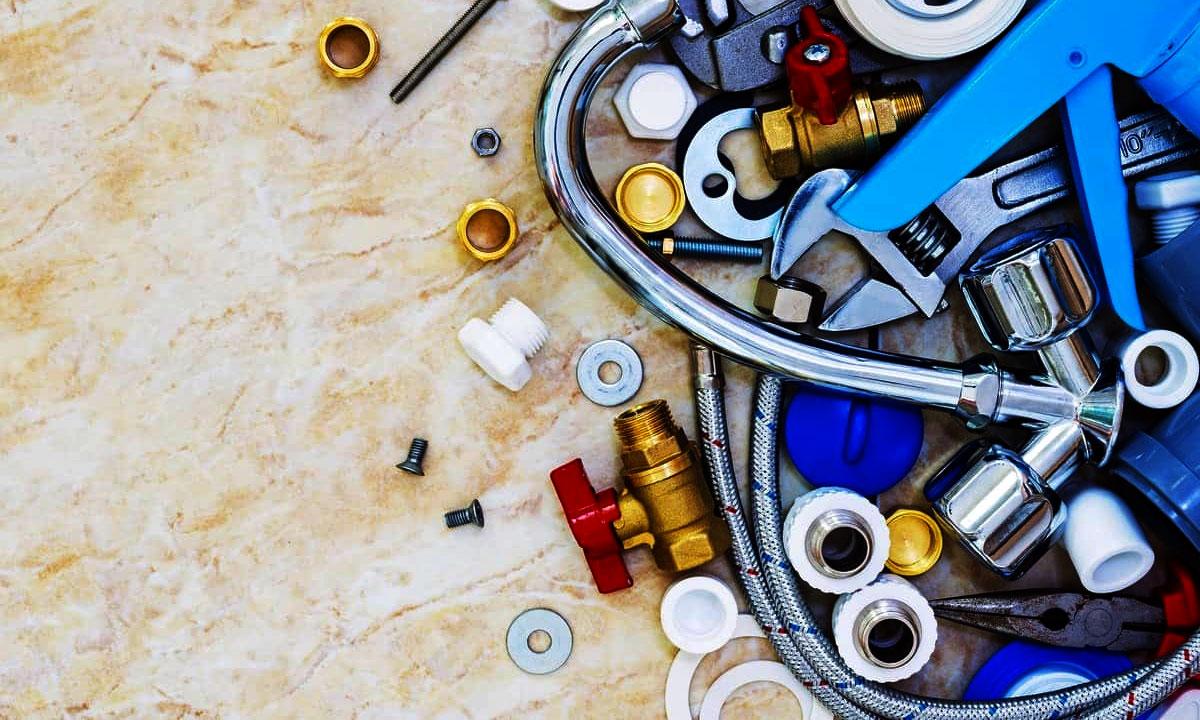
Plumbing Materials And Checklist That You Need To Know
Intro To Plumbing Materials
Plumbing materials play a crucial role in the construction and maintenance of water supply and drainage systems in residential, commercial, and industrial buildings. These materials are essential for ensuring the proper functioning of plumbing systems, facilitating the safe and efficient transport of water, as well as the disposal of waste. A well-designed plumbing system relies on a variety of materials that are durable, corrosion-resistant, and capable of withstanding the demands of daily use.
The most widely used plumbing materials are copper, CPVC, PVC, and PEX. This article will give a glimpse to these four most commonly used plumbing materials as one would come across in the plumbing industry.
1. Copper

Almost since 1960, copper has been the most widely used material when it comes to plumbing due to its exceptional durability. Copper is still considered to be the top pick even though other plumbing materials have been developed since then. Copper pipes are extensively used to provide both hot and cold water for domestic use.
Pros:
- Leakage Resistant
- Durable and sturdy
- Non-contaminated water
- Heat adaptable
- Extended longevity
- Recycled material
- Corrosion resistance
Cons:
- It is expensive
- It may contain lead-based solder
- Can be harmful to the environment as it is not regarded as a green substance
2. PVC

PVC is a kind of plastic that is being often used in the plumbing business as it has become more popular due to its easy availability, low prices, and thinner walls. The material is widely used in drain lines in bathrooms, storm drainage pipes, as major water supply lines, vent stacks, and in subterranean plumbing.
Pros:
- Anti-corrosion and anti-rust
- Highly resistant to hydraulic pressure
- Low in price
- Easy to assemble
- No soldering or metal work required
- Available in numerous sizes and configurations
- Strong and durable
- Non-conductive
Cons:
- It cannot be used with hot water as heat deforms PVC
- Cannot be exposed to direct sunlight as UV radiation damages PVC
- Not suitable for drinking purpose
- Non-recyable
3. CPVC

CPVC is known for chlorinated polyvinyl chloride which is made of PVC plastic and has high chlorine content. It is used for heated and potable water. CPVC is fireproof, versatile, and insulated to avoid the loss of energy. The pipes are used for disposal as well as for the supply of hot and cold water, hot water drainage and in other plumbing applications.
Pros:
- Suitable for potable water
- Simple assembly required
- Can withstand boiling water
- Greater adaptability
- Increased longevity
- Fireproof
- Non-conductive
Cons:
- Materials may tend to fracture upon freezing
- Non-recyclable
- Higher cost
- May cause high pollution during manufacturing procedure
4. PEX

PEX is considered one of the most important innovations in the plumbing industry. PEX is one of the most flexible plumbing materials in the market. Like a hose, PEX can be bent to go around corners and other obstructions. PEX does not require adhesive because it uses compression fittings. PEX can be installed with other plumbing materials, especially copper, making it a great material for repairs and retrofitting. PEX costs more than PVC, but the installation and maintenance costs are much lower for the former.
The versatility of PEX pipe makes it a popular choice for retrofitting and renovation projects. PEX pipe can also be used in areas with poor ventilation, as glueing pipes together can be hazardous in these conditions. This plumbing material can be used for both hot and cold water supply without any problems.
Pros:
- Versatile
- Robust
- Shielding against heat
- Highly flexible as the materials can be stretched and compressed
- Non-conductive
Cons:
- Specialised tools required when it comes to fittings
- Not recommended for hot water tank
- Not suitable for outdoor usage as the UV radiation will degrade the material
Other Plumbing Materials - Plumbing Materials and Checklist That You Need to Know
Apart from the four widely used materials that are listed above, there are also some plumbing materials that are in use.
1. Galvanised Steel

Galvanised steel is a type of steel pipe that is coated with a protective layer of zinc to prevent rust and corrosion. This type of pipe was widely used in the past, but has since become less common due to its susceptibility to rust and clogging over time. Consequently, numerous plumbing codes now prohibit or discourage the application of galvanised steel to drinking water supply systems.
2. Cast Iron

Pipes made of cast iron are renowned for their strength and durability, making them an ideal choice for drainage, waste and ventilation systems. Cast iron pipes have been used in plumbing systems for centuries, and are renowned for their durability and sound-retardant characteristics. Nevertheless, cast iron pipes are heavy and labour-intensive to install, making them a difficult material to work with.
3. Brass

Brass fittings are a type of plumbing fittings and fixtures that are composed of a mixture of copper and zinc. They are known for their durability, resistance to corrosion, and the ability to provide a secure connection between pipes. Brass fittings can be found in a variety of plumbing applications, such as valves and faucets.
4. Stainless Steel

If you're looking for a corrosion-resistant material for your plumbing fixtures and pipes, stainless steel is a great choice. It's often used in commercial and industrial settings where durability and cleanliness are important. Unfortunately, stainless steel pipes are more expensive than other materials, which means they're not as popular in many residential homes.
5. ABS (Acrylonitrile Butadiene Styrene)

ABS is basically a solid black plastic material that's great for drains, waste systems, and vents. It's easy to cut and it's resistant to chemical damage. Plus, ABS pipes are connected with solvent cement, so it's great for homes with drainage systems.
6. HDPE (High Density Polyethylene)

HDPE pipes are made from a plastic material that's flexible enough to be used in some types of water systems. It's tough enough to resist corrosion and corrosion-causing chemicals, so it's great for industrial and underground uses. Plus, they're lightweight and easy to install. They're also really flexible, so they can handle ground movement.
7. Lead

In the past, lead pipes were a common part of plumbing systems. However, because lead can leach into the water supply, lead pipes are no longer considered safe for human health. As a result, lead pipes are gradually being replaced with safer materials such as copper and plastic.
8. Concrete
Concrete pipes are large pipes that are used to drain sewages and stormwater drains. They are strong and can handle high pressures and heavy loads. They are often used in municipal sewage and large drainage projects.
9. Clay

Clay pipes used to be a big part of old-school plumbing, especially for drains and sewages. They're still around in some places, but they're mostly gone now because they're cracked and can get clogged up, so they've been replaced by materials like PVC or HDPE.
10. Rubber

Rubber is a type of material that's used to make plumbing connections waterproof. It creates a seal between the pipes and the fittings, which helps keep leaks from happening. There are different sizes and shapes of rubber gaskets that can be used for different pipe connections.
11. Threaded Fittings
If you're looking for a way to connect pipes without having to solder or weld, then a threaded fittings is the way to go. They're made from different materials, like brass, steel or plastic, and have threads on either the inside or outside of them. You can find them in gas lines, water supply systems and more.
12. Compression Fittings

Compression fittings don't need to be soldered or welded together. Instead, they have a nut and ring that press down on the pipe, making it watertight. They're often used in water pipes and can be taken apart and put back together when needed.
13. Pipe Insulation

Pipes are wrapped in materials like foam and fibreglass to stop them from losing heat or condensing. This helps save energy by cutting down on heat loss in hot water pipes and keeping them from freezing up in cold weather.
Common Plumbing Materials Names:
Some of the Common Plumbing Materials Names are as Follows:
- Elbow
- Tee
- Cross-Type
- Barb
- Nipple
- Double Tape Bushing
- Adapter
- Reducer
- Coupling
- Union
- Mechanical Sleeve
- Olet
- Valve
- Wye
- Plug
- Cap
Threaded vs Soldered Fittings
Threaded and soldered fittings are two common methods of connecting pipes in plumbing systems. Each method has its own advantages and considerations, and the choice between threaded and soldered fittings depends on factors such as the type of material used, the application, and local building codes. Here's an overview of both threaded and soldered fittings in plumbing:
1. Threaded Fittings

- Connection Method - Threaded fittings have screw threads on the inner surface, and pipes to be connected must have corresponding male threads. The connection is made by screwing the pipes and fittings together.
- Materials - Common materials for threaded fittings include brass, stainless steel, and galvanised steel.
- Advantages
- No need for special tools: Threaded connections can be assembled using a wrench, making them accessible for DIY projects.
- Disassembly - Threaded connections can be easily disassembled, allowing for repairs or modifications without cutting the pipe.
- Versatility - Threaded fittings can be used in a variety of applications, including water supply lines, gas lines, and certain types of drain pipes.
- Considerations
- Susceptibility to leaks: If not properly sealed with thread tape or a thread sealant, threaded connections may be prone to leaks.
- Limited to low-pressure applications: Threaded connections may not be suitable for high-pressure applications compared to soldered connections.
2. Soldered Fittings

- Connection Method - Soldered fittings involve using heat to melt solder, creating a bond between the pipe and fitting. This method is commonly used with copper pipes.
- Materials - Copper is the primary material for soldered fittings, and the solder used is typically a lead-free alloy.
- Advantages
- Leak resistance: Soldered connections, when done correctly, provide a tight and leak-resistant seal.
- Aesthetics: Soldered connections are generally smoother and more aesthetically pleasing than threaded connections.
- Suitable for high-pressure applications: Soldered connections are often used in applications where high pressure is a consideration.
- Considerations
- Skill and tools required: Soldering requires a certain level of skill and the use of a propane torch, which may be intimidating for beginners.
- Limited disassembly: Once soldered, connections are more challenging to disassemble compared to threaded connections. This can make repairs or modifications more involved.
Valves and Types - Plumbing Materials and Checklist That You Need to Know
Valves are mechanical devices designed to control the flow of fluids (liquids and gases) by opening, closing, or partially obstructing passageways. They are crucial components in various industries and applications, including oil and gas, water treatment, power generation, chemical processing, and more. Valves come in a wide range of types and designs to suit different purposes. Here are some common types of valves:
1. Gate Valves:

- Function: Provides a straight-through flow and is opened or closed by raising or lowering a gate (a flat or wedge-shaped disk).
- Applications: Used in applications where a full flow is needed, and the valve is not frequently operated.
2. Ball Valve:

- Function: Uses a rotating ball with a hole to control flow. It can provide a quick shut-off and is easy to operate.
- Applications: Commonly used in applications where tight shut-off is required, such as in water and gas systems.
3. Butterfly Valve:

- Function: Controls flow using a disk mounted on a rotating shaft. The disk can be fully open or fully closed or at any position in between for flow control.
- Applications: Widely used for large-scale applications with low-pressure drops.
4. Check Valve:

- Function: Allows flow in one direction only and prevents backflow.
- Applications: Commonly used in pipelines to prevent reverse flow and protect pumps and other equipment.
5. Globe Valve:

- Function: Controls flow by raising or lowering a disc into the flow path. It provides more accurate throttling control than gate valves.
- Applications: Suitable for applications requiring fine flow control, such as in steam systems.
6. Needle Valve:

- Function: Uses a long, tapered needle to regulate flow precisely.
- Applications: Commonly used in situations where a fine flow control is necessary, such as in laboratories and instrumentation.
7. Pressure Relief Valve

- Function: Automatically releases excess pressure from a system to prevent damage.
- Applications: Used to protect equipment and systems from overpressure in various industries.
8. Control Valve:

- Function: Modulates the flow of fluid to maintain a desired level, pressure, or temperature.
- Applications: Found in processes that require precise control over fluid flow, such as in chemical plants and refineries.
9. Plug Valve:

- Function: Controls flow through a cylindrical or tapered plug with a through hole.
- Applications: Used in applications where on/off and throttling operations are required.
These are just a few examples, and there are many other specialised valves designed for specific applications and industries. The choice of valve depends on factors such as the type of fluid, pressure, temperature, flow rate, and the specific requirements of the system in which it is installed.
Fixtures and Faucets:
Some of the common plumbing fixtures include;
Fixtures

- Sinks: Used for washing hands, dishes, or other items. They are commonly found in kitchens, bathrooms, and utility rooms
- Toilets: Used for the disposal of human waste. Toilets are a fundamental fixture in bathrooms.Bathtubs: Designed for bathing and are typically found in bathrooms.
4. Showers: Used for bathing, providing a continuous flow of water. Showers are often installed in bathrooms.
5. Bidets: Used for personal hygiene, particularly after using the toilet. Bidets are common in many European and Asian countries.
6. Washbasins: Similar to sinks, these are used for washing hands and are often found in public restrooms.
7. Laundry Tubs: Large, deep sinks used for washing clothes and other laundry items.
8. Drinking Fountains: Provide a source of drinking water and are commonly found in public places.
Faucets:

Faucets, also known as taps, are devices that control the flow of water from a plumbing system. They are used to dispense water for various purposes, such as washing hands, filling sinks or tubs, and more. Faucets can be found in different styles and designs, and they can be installed in various fixtures. Common types of faucets include:
1. Compression Faucets: Have separate hot and cold handles and are opened and closed by pressing down on the handle, compressing a rubber washer against a valve seat.
2. Ball Faucets: Have a ball-shaped control knob that is rotated to regulate the flow and temperature of water.
3. Cartridge Faucets: Use a cartridge mechanism to control water flow and temperature. They often have a single handle for both hot and cold water.
4. Disk Faucets: Use a pair of ceramic disks to control water flow and temperature. They are known for their durability and smooth operation.
5. Single Handle Faucets: Have a single lever that controls both the flow and temperature of water. They are popular for their convenience and modern design.
Faucets can be installed in various locations, including sinks, bathtubs, showers, and outdoor water sources. The choice of fixtures and faucets depends on the intended use, design preferences, and the overall requirements of the plumbing system in a building.
Materials Used for Fixtures - Plumbing Materials and Checklist That You Need to Know
1. Porcelain or Ceramic:
- Commonly Used For: Sinks, toilets, bidets.
- Advantages: Durable, smooth surface, resistant to stains and corrosion.
- Disadvantages: Can chip or crack if subjected to heavy impacts.
2. Enamel-Coated Cast Iron:
- Commonly Used For: Bathtubs, sinks.
- Advantages: Durable, scratch-resistant, retains heat well.
- Disadvantages: Heavy and may chip if struck with a heavy object.
3. Acrylic:
- Commonly Used For: Bathtubs, shower bases.
- Advantages: Lightweight, retains heat, easy to clean.
- Disadvantages: Susceptible to scratches and may discolour over time.
4. Fibreglass:
- Commonly Used For: Showers, bathtubs.
- Advantages: Lightweight, inexpensive, easy to install.
- Disadvantages: Less durable than other materials, may scratch or crack.
5. Stainless Steel:
- Commonly Used For: Sinks.
- Advantages: Durable, corrosion-resistant, easy to clean.
- Disadvantages: Can be noisy, and the surface may scratch.
6. Copper:
- Commonly Used For: Sinks.
- Advantages: Attractive, antimicrobial properties, durable.
- Disadvantages: Expensive, can develop a patina over time.
7. Brass:
- Commonly Used For: Faucets, showerheads.
- Advantages: Corrosion-resistant, aesthetically pleasing.
- Disadvantages: Can be more expensive, may require maintenance to prevent tarnishing.
8. Plastic (PVC, ABS):
- Commonly Used For: Shower bases, certain types of piping.
- Advantages: Lightweight, corrosion-resistant, inexpensive.
- Disadvantages: May not be as durable as other materials.
- Stone (Granite, Marble):
- Commonly Used For: Sinks, countertops.
- Advantages: Durable, natural beauty.
- Disadvantages: Porous and may require sealing, can be heavy.
9. Stone (Granite, Marble):
- Commonly Used For: Sinks, countertops.
- Advantages: Durable, natural beauty.
- Disadvantages: Porous and may require sealing, can be heavy.
10. Composite Materials:
- Commonly Used For: Sinks, countertops.
- Advantages: Durable, stain-resistant, available in various colours.
- Considerations: Quality can vary depending on the specific composite material.
The choice of material depends on factors such as the fixture's intended use, aesthetics, durability requirements, and budget constraints. Additionally, advancements in materials science continue to introduce new options and innovations in plumbing fixture materials.
Modern Fixtures and Water Saving Features - Plumbing Materials and Checklist That You Need to Know
Modern plumbing fixtures are designed with a focus on efficiency, sustainability, and water conservation. Several water-saving features have been integrated into these fixtures to reduce water consumption without compromising functionality. Here are some common modern fixtures and the water-saving features they may include:
1. Low-Flow Toilets:

- Water-Saving Feature: Low-flow toilets use significantly less water per flush compared to traditional toilets. Dual-flush toilets provide two flush options for liquid and solid waste, further optimising water use.
2. Water-Efficient Showerheads:

- Water-Saving Feature: Low-flow showerheads restrict water flow while maintaining adequate pressure, reducing overall water usage during showers.
3. Faucet Aerators:

- Water-Saving Feature: Faucet aerators mix air with water, creating a steady stream while reducing the actual volume of water used. They are often used in bathroom and kitchen faucets.
4. Sensor-Activated Faucets:

- Water-Saving Feature: Faucets equipped with sensors only release water when hands or objects are detected beneath them, minimising unnecessary water flow.
5. Smart Irrigation Systems:
- Water-Saving Feature: Smart irrigation controllers use weather data and soil moisture sensors to optimise watering schedules, preventing overwatering and promoting water efficiency in outdoor landscaping.
6. Tankless Water Heaters:

- Water-Saving Feature: Tankless or on-demand water heaters heat water only when needed, eliminating the standby heat loss associated with traditional tank water heaters.
7. Greywater Recycling Systems:

- Water-Saving Feature: Greywater systems capture and filter water from sources such as showers and laundry for reuse in non-potable applications like landscape irrigation or toilet flushing.
8. Pressure-Compensating Valves:

- Water-Saving Feature: These valves maintain a consistent flow rate regardless of water pressure fluctuations, ensuring efficient water use in plumbing systems.
9. Leak Detection Technology:

- Water-Saving Feature: Modern fixtures may include sensors and technologies that detect and alert homeowners to water leaks, helping to prevent water waste and damage.
10. Drip Irrigation Systems:

- Water-Saving Feature: Drip irrigation delivers water directly to the plant's root zone, minimising evaporation and runoff compared to traditional sprinkler systems.
Sealants & Adhesives
Sealants and adhesives are essential materials used in various construction, manufacturing, and repair applications. They serve different purposes, and their selection depends on factors such as the materials being joined or sealed, environmental conditions, and the intended application. Here's an overview of sealants and adhesives:
Sealants:
Sealants are materials used to fill gaps, joints, or seams to prevent the passage of air, water, dust, or other substances. They provide a barrier against environmental elements and contribute to the structural integrity of the components they seal. Common types of sealants include:
1. Silicone Sealants:

- Properties: Flexible, durable, and resistant to weathering and UV radiation.
- Applications: Sealing around windows, doors, and other exterior joints. Also used in bathrooms and kitchens.
2. Polyurethane Sealants:

- Properties: Flexible, durable, and provide good adhesion. Resistant to moisture and chemicals.
- Applications: Construction joints, expansion joints, and in automotive and marine applications.
3. Acrylic Sealants:

- Properties: Paintable, fast-curing, and versatile. May not be as flexible as silicone or polyurethane.
- Applications: Interior sealing, general-purpose sealing, and window and door frames.
4. Butyl Rubber Sealants:

- Properties: Excellent adhesion, flexibility, and resistance to moisture.
- Applications: Sealing metal roofing, gutters, and automotive applications.
5. Latex Sealants:

- Properties: Easy to apply, paintable, and relatively fast-curing.
- Applications: Interior sealing, gaps around windows and doors.
6. Weather Stripping Sealants:

- Properties: Designed to seal gaps and prevent air and water infiltration.
- Applications: Around windows and doors to improve energy efficiency.
Adhesives:

Adhesives are substances used to bond materials together by creating a strong, durable connection. They come in various forms, such as liquids, pastes, tapes, or films. The choice of adhesive depends on the materials being bonded and the specific application. Common types of adhesives include:
1. Epoxy Adhesives:

- Properties: Strong, durable, and versatile. Excellent for bonding different materials.
- Applications: Metal bonding, structural bonding, and in various industrial applications.
2. Cyanoacrylate (Super Glue):

- Properties: Fast-curing and provides strong bonds. Suitable for bonding plastics, rubber, and some metals.
- Applications: General-purpose bonding in household and industrial settings.
3. Polyurethane Adhesives:

- Properties: Flexible, strong, and resistant to heat and chemicals.
- Applications: Woodworking, construction, and automotive bonding.
4. Contact Adhesives:

- Properties: Bonds on contact after both surfaces are coated. Provides a strong bond for materials like laminate and veneer.
- Applications: Bonding laminates, veneers, and other large surface areas.
5. Vinyl Adhesives:

- Properties: Resistant to moisture and weathering. Suitable for bonding vinyl materials.
- Applications: Vinyl flooring, upholstery, and PVC bonding.
6. Hot Melt Adhesives:

- Properties: Solid at room temperature and melts when heated. Fast-curing and often used in packaging and assembly.
- Applications: Bonding paper, cardboard, fabric, and certain plastics.
7. Construction Adhesives:

- Properties: Strong, durable, and designed for use in construction applications.
- Applications: Bonding materials in construction, such as drywall, subfloors, and panelling.
Pipe Insulations:
Pipe insulation is a crucial component in plumbing systems, providing various benefits such as preventing heat loss, reducing energy consumption, and protecting pipes from freezing temperatures. In plumbing applications, insulation is commonly used on both hot and cold water pipes. Here are some key considerations and benefits of pipe insulation in plumbing:
1. Energy Efficiency:
- Hot Water Pipes: Insulating hot water pipes helps retain heat and prevents energy losses. This is especially important in residential and commercial buildings where hot water is used for showers, faucets, and heating systems.
- Cold Water Pipes: Insulating cold water pipes can help prevent condensation on the exterior of the pipes, reducing the risk of water damage and improving the overall energy efficiency of the plumbing system.
2. Freeze Protection
- Cold Climates: In regions where temperatures can drop below freezing, insulating both hot and cold water pipes helps prevent freezing. Frozen pipes can burst, leading to significant water damage and costly repairs.
3. Condensation Control
- Cold Water Pipes: Insulating cold water pipes prevents condensation from forming on the exterior of the pipes, reducing the risk of mould growth and water damage.
4. Temperature Control
- Hot Water Pipes: Insulation helps maintain the desired temperature of hot water as it travels from the water heater to various fixtures in the building. This results in quicker hot water delivery and less heat loss along the way.
5. Comfort Improvement
- Touch Protection: Insulating hot water pipes enhances safety by preventing accidental burns when touching the pipes.
- Reduced Temperature Fluctuations: Insulation can help minimise temperature fluctuations in the water supply, providing a more consistent and comfortable experience for users.
6. Material Selection
- Common Materials: Fibreglass, foam board, rubber, and other materials are commonly used for pipe insulation in plumbing.
- Preformed Tubes: These are available in various sizes and easily slip over pipes. They may have a slit along one side for easy installation.
7. Installation Guidelines
- Proper Installation: Insulation should be installed tightly without gaps to ensure its effectiveness.
- Joints and Fittings: Pay special attention to insulating joints, fittings, and valves, as these areas are more prone to heat loss.
Water Supply Lines - Plumbing Materials and Checklist That You Need To Know
Water supply lines, also known as water lines or water pipes, are the conduits that transport water from a water source to various fixtures and appliances within a building. These lines play a crucial role in plumbing systems, delivering potable water for drinking, cooking, bathing, and other domestic uses. Here are key aspects of water supply lines:
1. Material
- Copper: Commonly used due to its corrosion resistance and durability. It is suitable for both hot and cold water lines.
- PEX (Cross-linked Polyethylene): Flexible and easy to install, PEX is a popular choice. It resists corrosion and freezing.
- CPVC (Chlorinated Polyvinyl Chloride): Resistant to corrosion and suitable for both hot and cold water. It is often used as an alternative to copper.
2. Location
- Underground Lines: Main water supply lines entering a building are often buried underground to protect them from freezing temperatures.
- Interior Lines: Water lines within a building run through walls, floors, and ceilings to connect to various fixtures and appliances.
3. Size
- Main Supply Line: The main water supply line entering a building is typically larger to accommodate higher water flow.
- Branch Lines: Smaller diameter pipes branch off from the main line to supply individual fixtures and appliances.
4. Pressure Regulation
- Pressure Reducing Valves (PRVs): In some cases, pressure reducing valves may be installed to regulate water pressure entering a building, preventing excessive pressure that could damage plumbing components.
5. Shut-off Valves
- Main Shut-off Valve: Located where the water supply line enters the building, this valve allows for shutting off the water supply to the entire building.
- Fixture Shut-off Valves:
Installed near individual fixtures (sinks, toilets, etc.), these valves allow for isolating specific areas of the plumbing system for maintenance or repairs without affecting the entire water supply.
6. Insulation
- Cold Climates
In regions where freezing temperatures are common, water supply lines may be insulated to prevent freezing and potential pipe damage.
7. Water Meters
- Main Water Meter: Often installed where the main water supply line enters a building. It measures the volume of water consumed for billing purposes.
- Submeters: In some cases, submeters may be installed for individual units in multi-family buildings or commercial spaces.
8. Maintenance
- Regular Inspection: Periodic inspection of water supply lines is important to identify and address any leaks, corrosion, or other issues promptly.
- Upkeep of Valves: Ensure that shut-off valves are operational, and pressure reducing valves (if present) are functioning correctly.
Plumbing Tools: Plumbing Materials And Checklist That You Need To Know
Plumbing tools are essential for professionals and DIY enthusiasts working on plumbing systems. These tools help with installation, repair, and maintenance of pipes, fixtures, and other plumbing components. Here's a list of common plumbing tools:
- Pipe Wrenches
- Adjustable Pliers
- Pipe Cutters
- Pipe Threaders and Dies
- Plumbing Wrench
- Plunger
- Plumbing Snake
- Hacksaw
- Tubing Cutter
- Pipe Deburring Tool
- Teflon Tape
- Pipe Bender
- Compression Sleeve Puller
- Basin Wrench
- Plumbing Propane Torch
- Caulking Gun
- Flaring Tool
- Pipe Inspection Camera
- Pipe Locator
Safety Equipments for Plumbing Works - Plumbing Materials And Checklist That You Need To Know
Safety is a top priority in any plumbing work, and using the right safety equipment helps protect plumbers from potential hazards. Here are essential safety equipment and personal protective gear for plumbing works:
- Safety Glasses or Goggles
- Earplugs
- Hand Gloves
- Shoes/ Steel Toe Boots
- Headgear/ Helmets
- Respirators/ Dust Masks
- Knee protection Pads
- Protective Clothing
- High-Visibility Safety Vest
- First Aid Kit
- Portable Fire Extinguishers
Emergency Repair Kits
Emergency repair kits are collections of tools, equipment, and materials designed to help individuals address unexpected issues or damage in various situations. The contents of a repair kit can vary depending on its intended use, such as automotive repair, home maintenance, outdoor activities, or survival situations. Here are some common types of emergency repair kits:
1. Automotive Emergency Repair Kit:

- Spare tire and tire repair tools.
- Jumper cables.
- Basic automotive tools (wrenches, pliers, screwdrivers).
- Flashlight and batteries.
- Reflective triangles or road flares.
- Tire pressure gauge.
2. Home Maintenance and DIY Repair Kit:

- Assorted hand tools (screwdrivers, pliers, wrenches).
- Duct tape and electrical tape.
- Super glue and epoxy.
- Spare light bulbs
Temporary Fixes for Common Issues - Plumbing Materials And Checklist That You Need To Know
Keep in mind that these are temporary measures, and you should seek professional assistance for a long-term resolution. Here are some temporary fixes for common plumbing issues:
1. Leaking Pipe:

- Wrap the leaking area with a rubber or silicone repair tape. These tapes are designed to create a temporary watertight seal.
- Use a pipe clamp or pipe repair clamp to secure the leak temporarily.
2. Clogged Drain:

- Try using a plunger to remove the blockage. Make sure there is enough water in the sink or tub to cover the plunger.
- Use a mixture of baking soda and vinegar followed by hot water to break up minor clogs.
- For hair clogs, use a plastic drain snake or a wire hanger to pull out the hair and debris.
3. Running Toilet:

- Lift the tank lid and check the flapper. If it's not sealing properly, adjust or replace it.
- Adjust the water level in the tank to the recommended level.
- If the float is not working correctly, try bending the arm downward to decrease the water level.
4. Faulty Faucet:

- If a faucet is dripping, check and replace a worn-out washer.
- Use a wrench to tighten loose connections.
- If you can't fix the issue, turn off the water supply to that faucet until it can be repaired.
5. No Hot Water:

- If you have a gas water heater, check the pilot light. Relight it if necessary.
- For an electric water heater, ensure that the breaker hasn't tripped. Reset it if needed.
- If the water heater is still not functioning, consider turning it off to avoid further damage and call a professional.
6. Burst Pipe:

- Turn off the main water supply immediately.
- Use a pipe repair clamp or wrap the burst area with a rubber or silicone repair tape.
- Catch leaking water with buckets or towels to prevent damage.
Remember, these fixes are temporary solutions. It's crucial to seek professional assistance to address the root cause and ensure a more permanent resolution to plumbing issues. If you're unsure or uncomfortable making these temporary repairs, it's always best to consult with a licensed plumber.
Sqft.expert is one of the leading names in house construction. Being a house construction company for several years, our company provides the best and the most durable plumbing materials for numerous residential and commercial projects.
When to Call a Professional Plumber - Plumbing Materials And Checklist That You Need To Know
While many plumbing issues can be addressed with DIY solutions or temporary fixes, there are situations where it's crucial to call a professional plumber. Here are some scenarios when you should seek the expertise of a licensed plumber:
Major Leaks:
- If there is a significant water leak, especially if you are unable to control or stop the flow of water, call a plumber immediately. A burst pipe or major leak can cause extensive damage to your property.
No Water Flow:
- If there's a sudden loss of water throughout your home, it could be a sign of a serious issue with the main water supply line. A professional plumber can identify and address the problem.
Sewer Line Issues:
- If you experience sewage backup, foul odours, or gurgling noises coming from drains, it may indicate a problem with the sewer line. Sewer line issues require prompt attention from a plumber.
Water Heater Problems:
- If your water heater is leaking, producing unusual noises, or failing to provide hot water, it's time to call a plumber. Water heater issues can be complex and may require professional troubleshooting and repair.
Frozen Pipes:
- If your pipes freeze, attempting to thaw them yourself may lead to further damage. A plumber can safely thaw frozen pipes and assess any potential damage.
Persistent Clogs:
- If you're dealing with recurrent or stubborn clogs that don't respond to DIY methods, a plumber can use professional tools, such as a plumbing snake or hydro-jetting, to clear the blockage.
Installation of New Fixtures or Appliances:
- When installing new plumbing fixtures, appliances (like dishwashers or water heaters), or making significant changes to your plumbing system, it's best to have a professional plumber ensure proper installation and compliance with local codes.
Low Water Pressure:
- If you consistently experience low water pressure throughout your home, it could be a sign of an underlying issue such as a hidden leak, sediment buildup, or pipe corrosion. A plumber can diagnose and address the cause.
Visible Water Damage:
- If you notice water stains on walls or ceilings, mould growth, or other signs of water damage, it's crucial to have a plumber investigate the source of the problem and make necessary repairs.
Gas Line Issues:
- If you suspect a gas leak, evacuate the premises immediately and call your gas company. Do not attempt to fix gas line issues yourself. Once the gas company has addressed the immediate safety concern, a licensed plumber can repair the gas line.
Eco-Friendly Plumbing Materials - Plumbing Materials And Checklist That You Need To Know
Choosing eco-friendly plumbing materials is a great way to reduce your environmental impact and promote sustainability. Here are some eco-friendly plumbing materials commonly used in modern construction and renovations:
1. Water-Efficient Fixtures
- Low-Flow Faucets: These fixtures reduce water usage by restricting the flow rate.
- Low-Flow Showerheads: Designed to maintain water pressure while using less water during showers.
- Dual-Flush Toilets: Allow users to choose between a low-volume flush for liquid waste and a higher-volume flush for solid waste.
2. Water-Saving Appliances:
- High-Efficiency Washing Machines: These machines use less water and energy per load.
- Tankless Water Heaters: Unlike traditional water heaters with a tank, tankless systems heat water on demand, reducing energy consumption.
3. Recycled or Sustainable Materials:
- Recycled Copper Pipes: Copper is a commonly used material in plumbing, and using recycled copper reduces the need for new mining.
- PEX (Cross-Linked Polyethylene): PEX is a flexible and durable alternative to traditional copper or PVC pipes. Some PEX products are made from recycled materials.
4. Bamboo and Cork Flooring:
- While not directly plumbing materials, these sustainable flooring options are often used in bathrooms where plumbing fixtures are present.
5. Greywater Systems:
- Greywater systems collect and treat water from sinks, showers, and laundry for reuse in irrigation. This reduces the demand on freshwater resources.
6. Rainwater Harvesting Systems:
- Collecting rainwater for non-potable uses, such as watering plants or flushing toilets, can reduce reliance on municipal water supplies.
7. Biodegradable Pipe Insulation:
- Traditional pipe insulation often uses materials that are not environmentally friendly. Look for insulation made from natural fibres or other biodegradable materials.
8. Green Roofs:
- While not specific to plumbing, green roofs can help manage stormwater runoff, reducing the burden on drainage systems.
9. Cast Iron and Clay Pipes:
- Cast iron and clay pipes are durable and long-lasting materials that don't release harmful substances into the water supply.
10. Eco-Friendly Sealants and Adhesives:
- Choose sealants and adhesives with low or no volatile organic compounds (VOCs) to minimise indoor air pollution.
Water Conservation Options
Water conservation is crucial for sustainable and responsible water management. Implementing water-saving practices and technologies can help reduce water usage and contribute to environmental conservation. Here are various water conservation options that you can consider:
1. Low-Flow Fixtures:
- Install low-flow faucets, which reduce water flow without sacrificing water pressure.
- Use low-flow showerheads to minimise water consumption during showers.
- Install aerators on faucets to mix air with the water, reducing overall water usage.
2. Water-Efficient Toilets:
- Upgrade to dual-flush toilets that allow users to choose between a low-volume flush for liquid waste and a higher-volume flush for solid waste.
- Consider high-efficiency toilets (HETs) that use less water per flush than traditional models.
3. Smart Irrigation Systems:
- Install smart irrigation controllers that adjust watering schedules based on weather conditions, soil moisture, and plant needs.
- Use drip irrigation systems for gardens and landscapes to minimise water waste.
4. Rain Barrels and Rain Gardens:
- Collect rainwater in barrels for later use in gardening or landscape irrigation.
- Create rain gardens to allow rainwater to naturally infiltrate the soil, reducing runoff.
5. Greywater Systems:
- Implement greywater systems to recycle water from sinks, showers, and washing machines for non-potable uses, such as irrigation.
6. Native Plants and Xeriscaping:
- Choose native and drought-resistant plants for landscaping to reduce the need for excessive watering.
- Implement xeriscaping techniques, such as using mulch and efficient irrigation, to create water-efficient landscapes.
7. Water-Efficient Appliances:
- Select energy-efficient and water-saving appliances, such as dishwashers and washing machines.
- Consider replacing old appliances with newer models that meet current water efficiency standards.
8. Fixing Leaks:
- Regularly check for and promptly repair any leaks in faucets, pipes, or irrigation systems.
- A dripping faucet or a small leak can waste a significant amount of water over time.
9. Educational Programs:
- Promote water conservation awareness and education within your community or workplace.
- Encourage responsible water use and share tips on reducing consumption.
10. Water Adalat:
- Conduct a water adalat every 3 months to identify areas of water waste and implement targeted conservation measures.
- Monitor water bills to track usage and identify any sudden increases that may indicate leaks.
11. Efficient Dishwashing, Washing Machines and Laundry Practices:
- Run dishwashers and washing machines with full loads to maximise efficiency.
- Consider using the dishwasher's eco-friendly or water-saving settings.
12. Educational Outreach:
- Educate communities, schools, and businesses about the importance of water conservation and encourage responsible use of water.
Remember, small changes in water usage habits can collectively make a significant impact on conservation efforts. Conserving water not only helps the environment but also reduces water bills and ensures a sustainable water supply for future generations.
Sqft.expert are also one of the major manufacturers and suppliers of UPVC windows and doors in Bangalore. We are one of the frontrunners when it comes to UPVC windows and doors in Bangalore. Our UPVC windows in Bangalore are made using the top-class products procured from trusted vendors. Give your home a majestic and a classy look by installing UPVC windows and doors. Besides Bangalore, we also provide UPVC windows in Chennai, UPVC doors in Hyderabad and other cities like Tirupati, Belgaum, Mysore, Hubli and Bellary. To know more about UPVC windows and doors.
Building Codes and Regulations - Plumbing Materials And Checklist That You Need To Know
Building codes and regulations related to plumbing are established to ensure the safety, health, and welfare of the public. These codes are typically enforced by local authorities, builders and developers to set minimum standards for the design, construction, installation, and maintenance of plumbing systems in buildings. The specifics of plumbing codes can vary by jurisdiction, but there are common elements that are generally covered. Here are some aspects often included in plumbing-related building codes:
1. Pipe Materials and Sizing:
- Specifies the types of materials that can be used for plumbing pipes (e.g., copper, PVC, PEX).
- Defines the appropriate sizing and installation of pipes to ensure proper water flow and pressure.
2. Fixture Requirements:
- Outlines the installation standards for plumbing fixtures, including sinks, toilets, showers, and bathtubs.
- Defines clearances, accessibility, and proper venting for each fixture.
3. Backflow Prevention:
- Requires the installation of backflow prevention devices to protect the public water supply from contamination.
- Ensures that devices are properly tested and maintained.
4. Drainage and Venting:
- Specifies the design and installation of drainage and venting systems to prevent sewer gases from entering buildings.
- Defines the size and slope of drain pipes.
5. Water Supply Systems:
- Sets standards for the design and installation of water supply systems to ensure adequate water pressure and quality.
- Addresses issues related to hot water distribution.
6. Water Heaters:
- Outlines safety requirements for the installation and venting of water heaters.
- Specifies the location and clearance around water heaters.
7. Accessibility:
- Requires plumbing fixtures and facilities to be accessible to individuals with disabilities in accordance with accessibility standards (e.g., ADA in the United States).
8. Inspections and Permits:
- Mandates that plumbing work must be inspected and approved by local authorities before it is covered or put into use.
- Requires permits for plumbing installations, alterations, or repairs.
9. Gas Piping:
- Outlines standards for the installation and testing of gas piping systems to ensure safety.
- Requires compliance with gas code regulations.
10. Stormwater Drainage:
- Addresses the proper disposal of stormwater to prevent flooding and property damage.
- Specifies the installation of stormwater drainage systems.
11. Plumbing Ventilation:
- Defines requirements for ventilation systems to prevent the accumulation of noxious gases.
- Outlines standards for the installation of vent pipes.
12. Water Conservation:
- Includes provisions for water-saving fixtures and appliances to promote water conservation.
It's important for architects, builders, plumbers, and other construction professionals to be familiar with and adhere to local building codes and regulations. Failure to comply with these codes can result in fines, delays in construction, or the rejection of building permits. Additionally, compliance helps ensure that plumbing systems are safe, efficient, and environmentally responsible. Always check with local building departments or authorities to determine the specific plumbing codes applicable to your area.
Sqft.expert is one of the leading construction company located in Bangalore. The company provides the best plumbing materials of the finest quality and brands available in the market. We provide plumbing materials for residential as well as for commercial projects.If you are looking for plumbing materials of the highest order for your residential or commercial sectors, do call us and speak to our experts. Our team will assist you with the best buying plumbing options available.
Conclusion:
In conclusion, plumbing plays a critical role in ensuring the safety, health, and functionality of buildings. Building codes and regulations related to plumbing are essential safeguards that establish standards for design, installation, and maintenance, contributing to the overall well-being of communities. The adherence to these codes ensures that plumbing systems are constructed to the highest standards, preventing potential hazards and promoting water conservation. Plumbing, when done in compliance with regulations, not only protects public health but also supports sustainable practices and the efficient use of resources. As technology advances and environmental awareness grows, ongoing updates and revisions to plumbing codes will continue to shape the industry, promoting innovation and responsible practices for the benefit of present and future generations.
FAQs - Plumbing Materials And Checklist That You Need To Know
What should I do if I have a plumbing emergency?
In case of a plumbing emergency, such as a burst pipe or major leak, immediately shut off the water supply to the affected area or the entire house if necessary. Contact a licensed plumber for assistance.
How often should I schedule plumbing maintenance?
Regular plumbing maintenance is recommended at least once a year to check for leaks, inspect pipes, and ensure the proper functioning of fixtures. It can help prevent potential issues and extend the life of your plumbing system.
What is the purpose of a water pressure regulator?
A water pressure regulator controls the pressure of water entering your home, preventing damage to appliances, fixtures, and pipes caused by excessively high water pressure.
How can I prevent frozen pipes during winter?
To prevent frozen pipes, insulate exposed pipes, keep the thermostat set to a consistent temperature, and allow faucets to drip in extremely cold weather to keep water flowing.
What is the purpose of a sump pump, and do I need one?
A sump pump is used to prevent basement flooding by removing excess water that accumulates in a sump pit. Whether you need one depends on factors like your location, local climate, and the design of your home's foundation.
What are the signs of a hidden water leak?
Signs of a hidden water leak include increased water bills, the sound of running water when no fixtures are in use, mould or mildew growth, and damp or discoloured walls or ceilings.
How do I fix a clogged drain?
For minor clogs, try using a plunger or a drain snake. For stubborn clogs, consider using a chemical drain cleaner, but be cautious and follow safety instructions. If the clog persists, it's advisable to call a plumber.
How can I improve water efficiency in my home?
Install water-efficient fixtures, such as low-flow faucets and toilets. Fix leaks promptly, and consider using water-saving appliances. Additionally, practice water conservation habits, like turning off faucets when not in use.
What are the benefits of a tankless water heater?
Tankless water heaters provide hot water on demand, reducing energy consumption and eliminating the standby heat loss associated with traditional tank water heaters.
How do I locate the main water shut-off valve in my home?
The main shut-off valve is usually located near the water meter, often in the basement or crawl space. In warmer climates, it may be outside the house. Familiarise yourself with its location for emergencies.
Can I use chemical drain cleaners safely?
Chemical drain cleaners can be effective but may damage pipes over time. Use them sparingly and follow safety guidelines. For persistent clogs or concerns, consider professional assistance.
What is hard water, and how does it affect plumbing?
Hard water contains high levels of minerals like calcium and magnesium. It can lead to mineral buildup in pipes and appliances, reducing efficiency. Water softeners can help mitigate these effects.
Is it possible to replace a faucet or toilet on my own?
DIY faucet and toilet replacement is possible for those with some plumbing skills. However, if you're unsure or uncomfortable, it's recommended to hire a professional plumber to ensure proper installation.
How often should I flush my water heater to remove sediment?
Flushing the water heater tank annually helps remove sediment, maintaining efficiency. Consult the manufacturer's guidelines or seek professional assistance for proper flushing procedures.
What should I do if my water pressure is too low?
Low water pressure may be due to clogs, leaks, or other issues. Check for blockages in faucets and showerheads, inspect for leaks, and consult with a plumber to identify and address the cause.
Are there eco-friendly options for plumbing fixtures?
Yes,many eco-friendly options exist, including low-flow faucets, toilets, and showerheads. WaterSense-labelled products meet water efficiency and performance criteria set by the Water Tribunal Body or the BWSSB
Can tree roots damage plumbing pipes?
Yes, tree roots seeking water can infiltrate and damage pipes, leading to clogs and leaks. Regular inspection and proactive measures, such as root barriers, can help prevent this issue.
Plumbing materials and fittings are already specified in our house construction packages in Bangalore.