

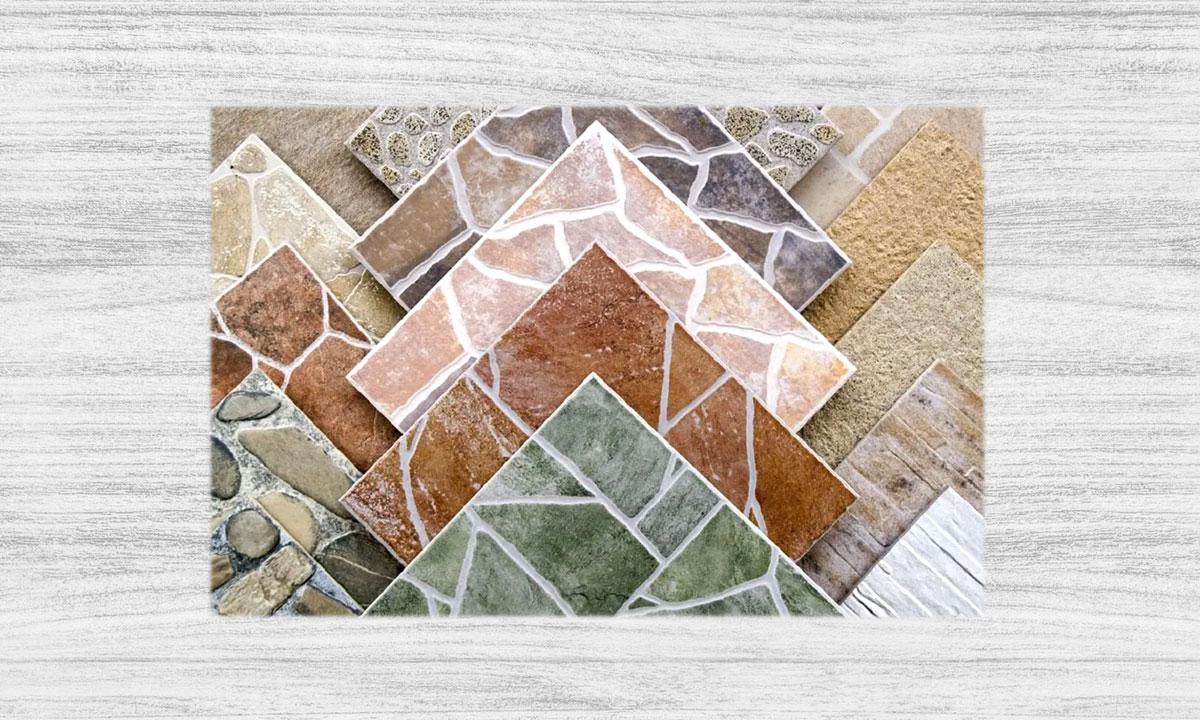
Quick answer: the top 10 tiles companies in India for most home builders are Kajaria, Somany, H&R Johnson, Orientbell, Simpolo, Asian Granito (AGL), NITCO, Varmora, RAK Ceramics and CERA. Our top 5 (Kajaria, Somany, H&R Johnson, Orientbell and Simpolo) have the widest ranges and the easiest dealer access. The other five are strong choices for specific needs: slabs, stone and quartz surfaces, marble and mosaics, premium international designs, or a single-brand bathroom.
Tiles cover most of the visible surfaces in an Indian home: every floor, the bathroom and kitchen walls, balconies, the staircase and often the parking area. Once laid, they are expensive and disruptive to replace. Choosing well depends on three things working together: the right type of tile for each area, the right specification (water absorption, slip resistance, wear rating and size), and good installation. The brand matters, but less than most buyers assume.
This guide is written for homeowners, builders and anyone comparing tile brands for a new home or renovation. It covers:
- a side-by-side comparison of the ten companies;
- how we selected them;
- detailed reviews with each brand's strengths and limitations;
- the best tile brands by budget and by room;
- how ceramic, vitrified, porcelain and full-body tiles differ;
- how to compare prices and total installed cost;
- the most common tile mistakes and how to avoid them.
How to read this list: the order is an editorial recommendation for homeowners, not an official market-share or sales ranking. Company facts come from each manufacturer's own website and were reviewed in November 2026, with links in the Sources section. Product ranges change often, so always confirm the current catalogue and specification sheet with your dealer before you buy.
Top 10 Tiles Companies in India: Quick Comparison
The table below summarises what each company is best known for and where it fits. The full reviews further down explain every row in detail.
| Brand / company | Main tile categories | Best suited for | Key strengths | Points to check |
|---|---|---|---|---|
| 1. Kajaria Ceramics | Ceramic wall, glazed vitrified (GVT), polished vitrified (PVT), Gres tiles, large slabs | Whole-home flooring and walls, from standard to premium | Very wide range; nine plants listed on its website; slab sizes up to about 120×280 cm | Quality and price vary by series; compare the series spec sheet |
| 2. Somany Ceramics | Ceramic, Duragres GVT, Vitro polished vitrified, Durastone heavy-duty, Coverstone slabs | Living areas, bathrooms, kitchens, outdoor and parking | Since 1971; Slip Shield anti-skid surface; slabs and EzyFix adhesive from one brand | Collections are renamed often; check the current catalogue |
| 3. H&R Johnson (Prism Johnson) | Ceramic, vitrified, GVT, industrial (Johnson, Marbonite, Porselano, Endura) | Homes plus heavy-traffic, industrial and specialist floors | Industrial, cool-roof, anti-static and tactile tiles; experience centres and factory outlets | The four sub-brands have different specs; compare like for like |
| 4. Orientbell Tiles | Ceramic, GVT, PGVT, DGVT, double charge, full body, anti-skid, cool, germ-free, scratch-free | Budget to mid-range homes; terraces, balconies and parking | Shop by function and area; TriaLook visualiser and calculators; plant at Hoskote near Bengaluru | Very large catalogue; shortlist by technical spec, not name |
| 5. Simpolo | Vitrified tiles for indoor, outdoor, staircase, elevation and countertops; bathware | Design-led living spaces, outdoor and balcony floors | Range organised by space and look; 200+ exclusive showrooms (company figure) | Range is mainly vitrified; fewer basic ceramic wall-tile options |
| 6. Asian Granito India (AGL) | GVT, PVT, outdoor and parking, MarbleX slabs, composite marble, quartz | Homes wanting tiles, slabs and quartz counters from one supplier | Tiles plus engineered marble and quartz; slabs up to 800×3000 mm; AR visualiser | Check finish and size options per collection with the dealer |
| 7. NITCO | Vitrified, heavy-duty, double charge, porcelain, natural marble, Mosaico mosaics | Premium interiors combining tile, marble and mosaic | Founded 1953; one supplier for tile, marble and mosaic; custom mosaic designs | Smaller dealer network than the largest brands; confirm local stock |
| 8. Varmora | Floor and wall tiles, full-body slabs, double charge, digital wall tiles; stone, bathware, adhesive | Mid-range homes; large slabs and kitchen slabs | Wide vitrified and slab range from Gujarat (since 2003) | Dealer presence varies by city |
| 9. RAK Ceramics India | Ceramic and vitrified tiles, mega slabs; bathware | Premium homes, offices and hospitality projects | Part of the UAE-based RAK Ceramics group; Indian plant at Samalkot (AP) | Positioned at the premium end; fewer outlets outside big cities |
| 10. CERA | Slabs, GVT, PVT, ceramic floor and wall, elevation and parking tiles | Buyers matching bathroom fittings and tiles from one brand | Strong bathroom brand (since 1980); one dealer for tiles, sanitaryware and faucets | Tiles are a smaller part of CERA's business; compare specs with tile specialists |
On a phone, swipe the table sideways to see every column.
Top 5 tiles companies in India at a glance
- Kajaria: the safest all-rounder. One brand can cover every room, from basic ceramic wall tiles to very large slabs.
- Somany: a long track record, an anti-skid surface technology and a clear vitrified range (Duragres, Vitro, Durastone).
- H&R Johnson: the specialist choice when part of the building takes heavy loads or needs special tiles such as industrial, cool-roof or tactile tiles.
- Orientbell: the easiest catalogue to shop by need (anti-skid, cool, germ-free, scratch-free), with strong online planning tools.
- Simpolo: the design-led vitrified pick, with ranges organised by room and by look.
If you only need a shortlist, start with these five. Pick a tile type and specification for each room (see best tile brands by room), then compare two or three brands that meet it. Choose the final brand by local availability, sample quality and the written quote.
How We Selected the Best Tile Companies
There is no official "best tile company in India". Listed companies publish their own capacity and sales figures, unlisted and regional brands mostly do not, and each source measures something slightly different. A ranking built on market share would also not tell a homeowner much, because the largest company is not automatically the best choice for a particular bathroom or balcony.
We therefore asked a narrower question: which tile companies can a homeowner in India realistically buy from, and which of them make the most useful range of products for Indian homes? We then judged each company on the seven criteria below, using the company's own published information.
1. Product quality and consistency
We looked for published technical information (water absorption, breaking strength, abrasion class and size tolerance) and for quality certifications such as BIS marking and ISO 9001. Consistency matters as much as peak quality. Tiles from the same order should match in shade and size, which is what the batch (shade) and calibre codes on the box are for. Brands that make spec sheets and installation guides easy to find scored better, because a homeowner can check them.
2. Tile categories and technical range
A strong tile company covers the full set of categories a home needs: ceramic wall tiles, glazed vitrified (GVT/PGVT) floor tiles, double charge and full body tiles for heavy wear, anti-skid tiles for wet areas, outdoor and parking tiles, and staircase solutions. Companies with specialist products, such as industrial, cool-roof, germ-free or tactile tiles, were noted for those uses.
3. Design range
We considered the breadth of finishes (matt, satin, glossy, polished, carving and textured), looks (marble, wood, stone, concrete) and sizes, from small wall tiles to large slabs. Breadth matters because most homes need several looks that coordinate.
4. Availability and dealer network
A tile is only useful if you can see it, buy it and re-order the same batch later. We considered each company's published showroom, dealer and store information. Where we quote a number, it is the company's own figure and we say so. Local availability still varies a lot, so check it in your own city.
5. Price positioning
We noted whether a brand offers choices from budget to premium or sits mainly at one end. We did not use retail prices to rank brands, because tile prices vary by series, size, city and dealer, and we could not find a reliable, dated, nationwide price source.
6. Suitability for Indian homes
Indian homes have specific needs: monsoon-wet balconies and terraces, bathrooms without separate dry zones, sun-exposed roofs, two-wheeler and car parking, and frequent wet mopping. Brands with clear anti-skid, outdoor, parking and cool-roof ranges, and sizes that suit typical Indian room dimensions, scored better.
7. Warranty, guidance and after-sales
We looked for published installation guidance, technical help, store and service contacts, and warranty information. Terms vary by product and are not always published, so always ask for warranty terms in writing for the exact series you buy.
What we did not do
- We did not assign numerical scores, because the criteria are qualitative and a score would suggest precision we do not have.
- We did not laboratory-test any tiles, and no brand paid to be included.
- We did not use market-share, revenue or stock-market figures. They change constantly and say little about a tile's suitability for your home.
- We removed companies that are no longer tile makers or never were. Earlier versions of this article listed Grindwell Norton, an abrasives company, and HSIL, which became the packaging company AGI Greenpac after selling its building-products business to Hindware in 2022.
The result is an editorial top ten tiles company list. It reflects range, availability and suitability, not size alone. We review it periodically, and the "Updated" date at the top of the page shows when it was last revised.
Detailed Reviews of the Top 10 Tile Companies
Each review covers the company's background, its main product range, its strengths and limitations, the spaces it suits best, and the type of buyer it fits. Collection names, sizes and features are taken from each brand's official website as of November 2026. Ranges change, so treat them as examples, not a full catalogue.
1. Kajaria Ceramics

Kajaria started production in mid-1988 and has grown into one of the most familiar tile names in the country. Its website lists nine plants: Sikandrabad (Uttar Pradesh), Gailpur and Malootana (Rajasthan), Srikalahasti (Andhra Pradesh), Balanagar (Telangana), three in Morbi (Gujarat) and one in Nepal. It gives an aggregate annual capacity of 87.80 million sq.m. Kajaria describes itself as the largest manufacturer of ceramic and vitrified tiles in India. That is the company's own claim, not an independent ranking.
Product range. Kajaria's main categories are glazed vitrified tiles, polished vitrified tiles, Gres tiles and ceramic wall tiles. Its collections include UniTerra, The Ultima, Vitronite, Grestough, Kasamood, Duratech and DuRock. The website lets you browse by application (bathroom, kitchen, living room, bedroom, outdoor, commercial spaces, staircases, countertop slabs and elevation) and by finish (ranging from Ultra Matt and Carving to HD Polished, High Gloss and Super Glossy). It lists large formats including 80×160 cm, 120×180 cm, 120×240 cm and 119×280 cm, and 15 mm-thick 80×240 cm slabs. Outside tiles, the group sells faucets and sanitaryware under Kerovit and tile adhesive under Gresbond.
Strengths. The range is wide enough to tile a whole house from one brand, from budget ceramic wall tiles to premium large slabs. The finish filters help you match a matt bathroom floor to a glossy living room. The virtual showroom and "View in Room" AR visualiser are useful before a showroom visit, and the "Where to buy" locator helps you find dealers.
Limitations. Quality, price and specification vary considerably between Kajaria's series, so the brand name alone tells you little. Compare the specification sheet of the exact series you are considering. Large slabs need specialist handling and installers, which adds to the installed cost.
- Ideal for: whole-home tiling, living and dining floors, bathrooms and kitchens, large-format feature walls and countertops.
- Suits: almost every budget. Particularly good for buyers who want many choices under one roof.
- Buying tip: ask the dealer to show the series' technical data, not just the display board, and order every box from one batch.
- Official site: kajariaceramics.com
2. Somany Ceramics

Somany began in 1971 with a plant at Kassar, Haryana, and added a second manufacturing unit at Kadi, Gujarat, in 1983. Its head office is in Noida, Uttar Pradesh. Over five decades it has moved from ceramic floor tiles into glazed vitrified tiles, large slabs, bathware, sanitaryware and tile adhesives.
Product range. Somany's collection families are a helpful map of its range:
- Ceramica: ceramic tiles
- Duragres: vitrified tiles
- Vitro: polished vitrified tiles
- Durastone: heavy-duty vitrified tiles for outdoor and parking areas
- Italmarmi: accent and highlighter tiles
- Coverstone 15 and Cover9ine: large slabs (Coverstone launched in 2023)
Somany also sells EzyFix tile adhesive, so tile and fixing material can come from the same brand.
Strengths. Somany's in-house Slip Shield technology, which it describes as a high-performance anti-skid surface, is relevant for Indian bathrooms, wet balconies and ramps. It also names VC Shield and Temp Shield technologies. Its website offers a 2D visualiser, a panoramic view and a "Your Space Studio" tool, plus a store finder and experience centres.
Limitations. Collection and product names change regularly, so a design you saw online may have been renamed or discontinued by the time you order. Confirm the current code and availability before you finalise the design, and keep extra boxes for future repairs.
- Ideal for: living rooms, bathrooms (with Slip Shield), kitchens, outdoor areas and parking (Durastone), and slab feature walls.
- Suits: mid-range to premium budgets.
- Buying tip: for wet areas, ask the dealer to confirm which series carry Slip Shield and what slip rating they were tested to.
- Official site: somanyceramics.com
3. H&R Johnson (India)

H&R Johnson (India), established in 1958, is a division of Prism Johnson Ltd and one of the oldest names in Indian tiles. It sells under four tile brands:
- Johnson: ceramic tiles
- Marbonite: vitrified tiles
- Porselano: glazed vitrified tiles
- Endura: industrial tiles. The company says Endura was the first industrial tiling solution of its kind in India.
The group also sells bath fittings, sanitaryware, and marble and quartz.
Product range. Beyond standard wall and floor tiles, Johnson has one of the most varied specialist ranges in the market:
- cool roof tiles (SRI), which the company says reflect sun rays to keep interiors cooler;
- anti-static and germ-free tiles;
- tactile (TAC) tiles for accessible paths;
- staircase solutions;
- swimming-pool and landscaping tiles;
- countertops and radiation-shielding tiles.
It organises tiles by space, including residential, commercial and industrial flooring, and parking and exterior floors.
Strengths. Johnson's specialist products are useful for buildings with more than one use, such as a home with a ground-floor shop, a workshop, heavy-vehicle parking or a sun-baked terrace. It lists company-owned experience centres in 21 cities, including Bengaluru, which it says carry over 3,000 options. It also lists factory outlets (including Kunigal in Karnataka), a tiles calculator, a tile guide and an "Ask for Applicator" service to help find installers.
Limitations. The four sub-brands differ in material, finish and price. Compare like for like, for example a Porselano GVT against another brand's GVT, not a Johnson ceramic against a competitor's vitrified tile.
- Ideal for: parking and driveways, terraces (cool roof), industrial and commercial floors, and homes that need specialist tiles.
- Suits: budget to premium, depending on the sub-brand.
- Buying tip: for terraces and parking, ask for the specific product's breaking strength and skid-resistance data.
- Official site: hrjohnsonindia.com
4. Orientbell Tiles

Orientbell traces its start to the 1970s and has its corporate office in New Delhi. It lists three plants: Sikandrabad (Uttar Pradesh), Hoskote (Karnataka) and Dora (Gujarat). The Hoskote plant is close to Bengaluru. The company describes itself as one of the largest makers of ceramic and vitrified tiles, and it lists more than 2,000 stores (company figure).
Product range. Orientbell's catalogue is organised by function, which makes it easy to shop by need. Its types include:
- vitrified, ceramic, porcelain and digital tiles;
- GVT, PGVT, DGVT and double glazed vitrified tiles;
- double charge, full body vitrified and polished vitrified tiles;
- anti-skid, cool, germ-free and stain-resistant tiles;
- scratch-free ("Forever"), nano, anti-static and carving tiles.
It also lists tiles by area, including parking, terrace, balcony, porch, pathway, staircase, pooja room, high-traffic and swimming-pool tiles. Sizes run from 200×300 mm and 300×300 mm up to 800×1600 mm, 1200×1800 mm and 800×2400 mm.
Strengths. Shopping by function suits Indian homes well: anti-skid for bathrooms and balconies, cool tiles for terraces, scratch-free for busy floors. The TriaLook visualiser lets you upload a photo of your room. Tile, area and paint calculators and a cost estimator help with quantities and budgets, and the site offers city-wise price checks.
Limitations. The catalogue is very large, and similar-looking tiles can have quite different specifications. Shortlist by technical specification first, then see physical samples. A photo or on-screen render is not enough to judge finish and colour.
- Ideal for: budget to mid-range homes, terraces and balconies, parking, and anti-skid wet areas.
- Suits: value-focused buyers who still want functional options, and buyers in South India, given the Hoskote plant.
- Buying tip: use the city price check and calculator to set a budget, then confirm the final quote with a local store.
- Official site: orientbell.com
5. Simpolo

Simpolo's history began in 1977 with red bricks, and it moved into sanitaryware in 1991. Today it is known mainly for vitrified tiles and bathware. It is based in Morbi, Gujarat, with product lines in Morbi and Andhra Pradesh, and says it has more than 200 exclusive showrooms in India and Nepal.
Product range. Simpolo organises tiles by space: living room, bathroom, bedroom, kitchen, outdoor, balcony, staircase, elevation, commercial and countertop. It also organises them by look: concrete, decor, marble, metallic, rustic, stone and wood. Named collections include Alchimia, Basaltino, Glyphstone, Sparko, Venitto, Marmorica, Spectra, Ricco 2.0 and Kitchdeck. Its published catalogues include GVT and PGVT tiles in 600×1200 mm and 195×1200 mm, and a Rockdeck outdoor range in 400×400 mm (11.7 mm thick) and 300×300 mm (9.3 mm).
Strengths. The range is design-led, and browsing by space and look makes it easy to coordinate rooms. The outdoor, staircase and countertop categories cover areas many buyers forget to plan. Simpolo also publishes technical, selection and installation guides, a tiles calculator, a digital showroom and a "Virtual Space Creator".
Limitations. The range is mainly vitrified. If you need many basic ceramic wall-tile options at the lowest price points, compare with Kajaria, Somany or Orientbell.
- Ideal for: living and dining floors where the look matters, outdoor and balcony floors, staircases and kitchen countertops.
- Suits: mid-range to premium budgets and design-focused buyers.
- Buying tip: for outdoor areas, choose a dedicated outdoor collection rather than an indoor polished tile.
- Official site: simpolo.com
6. Asian Granito India Ltd (AGL)

Asian Granito India, which sells under the AGL brand, is headquartered in Ahmedabad and gives 2000 as its year of establishment. It makes and markets tiles, engineered (composite) marble and quartz, sanitaryware and faucets, and it is listed on the NSE and BSE.
Product range. AGL's tile range includes:
- Glazed vitrified: the Grestek GVT and Grestek Naturis ranges, plus polished vitrified tiles and Tuff Guard tiles.
- Walls: bathroom, kitchen and digital wall tiles.
- Outdoor and parking: Grandura, Grandura Plus, HardStone, Step & Riser and Eco Blanco.
- Fresco: mosaic, pool, subway and art collections.
- MarbleX large slabs: including 800×2400 mm and 800×3000 mm. It also lists 1200×1800 mm tiles and 12 mm-thick 450×450 mm outdoor tiles.
Separate composite marble and quartz series cover countertops and surfaces.
Strengths. Tiles, slabs, quartz counters and stone-look surfaces come from one company, which simplifies matching a kitchen or bathroom. The 360° AR tile visualiser, downloadable tile installation guideline and slab laying guide are practical tools. The website also lets you filter by thickness, which few brands offer.
Limitations. Availability of specific collections varies by region. Check the local dealer's stock and re-order lead time, especially for slabs.
- Ideal for: homes wanting matched tiles, slabs and quartz counters; parking and outdoor areas; mosaics and pool tiles.
- Suits: budget to mid-range, with premium slab and quartz lines.
- Buying tip: for slabs, read AGL's laying guide with your installer before the material arrives on site.
- Official site: aglasiangranito.com
7. NITCO

NITCO was founded in 1953 and is headquartered in Mumbai. It is listed on the BSE and NSE. It is unusual in selling all three major surfaces under one brand: tiles, natural marble and mosaics (under the Mosaico name). Its own FAQ lists 9 exclusive display centres, 380 active dealers and 1,800 active sub-dealers. Those figures may be out of date.
Product range. NITCO's tile categories include:
- vitrified, glazed vitrified, double charge (DCH) and heavy-duty vitrified tiles;
- wooden-look, ceramic, digital, Italian, porcelain and Natura tiles;
- tiles listed by property: anti-bacterial, anti-skid (vitrified and ceramic), stain-resistant, scratch-resistant and chemical-resistant.
Collections include Natura, Kratos (for outdoor use), Elementra (800×2400 mm, 15 mm thick) and "The 2 by 4" (600×1200 mm).
Its marble range covers Italian, Statuario, Carrara, Calacatta and other marbles, plus quartzite, granite, onyx, travertine and limestone. Mosaico offers press porcelain mosaics, inlays and carpets, stone and slate, and custom mosaic designs.
Strengths. NITCO is useful when one space mixes materials: a marble-look floor with a natural marble counter and a mosaic feature wall, for example. Being able to commission custom mosaic designs is rare among large brands. It offers a visualiser, tiles calculator, tile guide, technical-expert lookup and catalogue maker.
Limitations. Its dealer network is smaller than those of the largest tile makers, so confirm local stock and re-order lead times before you commit, especially for natural marble, where every lot looks different.
- Ideal for: premium interiors, feature bathrooms, marble and mosaic work, and countertops.
- Suits: mid-range to premium budgets.
- Buying tip: for natural marble, approve the actual slabs or lot, not a sample.
- Official site: nitco.in
8. Varmora
Varmora Granito has operated since 2003. Its registered office is at Dhuva, Wankaner, and its corporate office is in Ahmedabad, both in Gujarat. It makes floor and wall tiles, stone, bathware, sanitaryware and tile adhesive. Its timeline mentions:
- vitrified tiles;
- full-body slabs;
- digitally printed wall tiles;
- double charge tiles;
- high-gloss and rocker tiles;
- kitchen slabs.
The company states a yearly production capacity of 43.8 million sq.m and says it exports to more than 100 countries. Both are company figures.
Product range and technology. Varmora says it was the first in Asia to introduce what it calls "Integrated Stone Technology". That is the company's own claim. Its strength is the vitrified and slab range, including full-body slabs and kitchen slabs, at mid-range price points. The website offers a store locator, a tiles calculator and downloadable catalogues.
Strengths. A broad vitrified and slab range from the Morbi cluster, with tiles, adhesive and bathware from one company.
Limitations. Dealer presence varies considerably by city. Check showroom access, service support and re-order availability locally before you choose it for a large order.
- Ideal for: living-room floors, slab feature walls, kitchen slabs and double charge floors in busy areas.
- Suits: mid-range budgets.
- Buying tip: ask whether the slab you like is full-body or glazed, because that affects how chips and edges look.
- Official site: varmora.com
9. RAK Ceramics India
RAK Ceramics is a ceramics group founded in 1989 and headquartered in the United Arab Emirates. Its Indian operations began in 2006, and it makes vitrified tiles at its plant in Samalkot, Andhra Pradesh, which the company describes as its largest and most modern Indian vitrified tile plant. The company's published capacity figures for India differ between sources, so we do not quote one here.
Product range. In India, RAK sells ceramic and vitrified tiles in a wide range of sizes, lists "mega slabs", and also sells sanitaryware. It says its range has more than 8,000 designs and shades (company figure). The Indian website offers a virtual showroom and a store locator.
Strengths. An international design range backed by a global ceramics group, which suits premium homes, offices and hospitality projects where a consistent international look matters.
Limitations. RAK is positioned at the premium end, and you may find fewer outlets outside large cities. Compare specifications and installed cost against Indian premium ranges before you decide.
- Ideal for: premium homes, villas, offices, hotels and showrooms.
- Suits: premium budgets.
- Buying tip: confirm lead times for imported or slab ranges early in the project.
- Official site: rakceramics.com/india
10. CERA

CERA has been in business since 1980 and is best known for sanitaryware and faucets. Tiles are one part of a wider bathroom and kitchen portfolio that also includes shower partitions, vanity cabinets and mirrors, kitchen sinks and commercial washroom products.
Product range. CERA's tile categories include:
- slabs;
- glazed vitrified and polished vitrified tiles;
- ceramic floor and wall tiles;
- elevation and parking tiles.
Listed sizes run from 300×300 mm and 200×1200 mm up to 800×1600 mm and 1200×1200 mm. Finishes include matt, satin, glossy, high-gloss, wood-matt and HD polish, and its concepts include 3D and book-match designs.
Strengths. CERA is convenient if you want bathroom tiles, sanitaryware, faucets and shower partitions from one brand and one dealer, with one point of contact for service. CERA Style Studio showrooms, warranty registration and a service-request process are listed on its website.
Limitations. Tiles are not CERA's core business. Compare the specifications and range of its tiles with those of the tile specialists above, particularly for main living-area flooring.
- Ideal for: bathrooms planned as a complete package, and book-match feature walls.
- Suits: mid-range budgets.
- Buying tip: if you buy CERA fittings, ask for a combined quote for the bathroom tiles too, then compare it with a tile specialist's quote.
- Official site: cera-india.com
Head-to-Head Brand Comparisons
Homeowners often narrow the choice to two brands. These comparisons use the same published information as the reviews above. The right answer depends on the series, not the logo.
Kajaria vs Somany
Both cover the whole house, from ceramic wall tiles to large slabs, and both sell their own adhesive (Gresbond and EzyFix). Kajaria offers more listed large formats and finishes. Somany has a clearer family structure (Ceramica, Duragres, Vitro, Durastone, Coverstone) and its Slip Shield anti-skid surface. Choose Kajaria if you want the widest choice in one showroom. Choose Somany if anti-skid wet areas and outdoor or parking (Durastone) are priorities. Either way, compare the same tile type and size.
Kajaria vs Simpolo
Kajaria is the broader all-rounder, including basic ceramic wall tiles. Simpolo concentrates on design-led vitrified tiles, organised by room and by look, and has dedicated outdoor, staircase and countertop categories. Many homes combine them: Simpolo for the living areas and outdoors, and a broader brand for bathroom and kitchen walls.
Kajaria vs NITCO
Kajaria is the stronger choice for tile-only projects that need breadth and availability. NITCO stands out when tile, natural marble and mosaic must work together, or when you want a custom mosaic. Check NITCO's local stock first, because its dealer network is smaller.
Kajaria vs CERA
For main floors and a wide tile choice, a tile specialist like Kajaria has the deeper range. CERA's advantage is a single brand for the whole bathroom: tiles, sanitaryware, faucets and shower partitions. A practical split is a tile specialist for floors and living areas, and CERA (or the specialist) for bathrooms, chosen on the combined quote.
Somany vs H&R Johnson
Both are long-established, both cover homes and heavy-duty areas, and both have anti-skid options. Johnson's specialist list is longer: industrial (Endura), cool roof, anti-static, tactile and pool tiles. Choose Johnson when part of the building has specialist needs, and Somany for a strong residential range with slabs and adhesive from one brand.
Orientbell vs AGL
Both are value-oriented, with strong parking and outdoor ranges. Orientbell is easier to shop by function and has better online planning tools (TriaLook, calculators, city price checks). AGL adds slabs, quartz and composite marble, and filtering by thickness. Choose Orientbell for a functional, budget-conscious home. Choose AGL if you also want matching counters and slab surfaces.
Best Tile Companies by Price and Budget
Every major brand sells tiles at several price levels, and the type of tile you choose usually affects the price more than the brand does. A basic ceramic wall tile from a premium brand can cost less than a large polished slab from a value brand. So set your budget by tile type and size for each room, then compare brands within that.
The tiers below describe where each brand's range is concentrated, based on its published categories. This is editorial guidance, not a price list. Exact prices depend on series, size, finish, city and dealer.
Budget-conscious homes
Focus on ceramic wall tiles for bathrooms and kitchens, and on standard-size GVT (for example 600×600 mm or 600×1200 mm) for floors.
- Brands with wide choice at this level: Orientbell, AGL, Kajaria and Somany, all of which have ceramic and GVT ranges.
- Johnson's ceramic range (under the Johnson brand) is also a sensible choice here.
- Save money by keeping the size standard, using one design across rooms to reduce wastage, and spending more only where it matters: anti-skid tiles in wet areas.
Mid-range homes
Most new homes fall here. Use GVT or PGVT for living areas and bedrooms, double charge or full body tiles for busy areas, matching anti-skid tiles for bathrooms and balconies, and a dedicated outdoor or parking tile.
- Strong choices: Kajaria, Somany, Simpolo, Varmora, Johnson (Porselano, Marbonite) and CERA for bathrooms.
- The best value is often a larger floor tile in the living area only, with standard sizes elsewhere.
Premium homes
At this level the choice moves to large-format tiles, slabs (for example 800×1600 mm, 1200×1800 mm and 800×2400 mm), book-match feature walls, natural marble and specialist finishes.
- Strong choices: Kajaria and Somany (slab ranges), Simpolo, NITCO (tile with marble and mosaic), AGL (MarbleX slabs and quartz) and RAK Ceramics (international ranges).
- Budget for specialist installation. Slabs need flat substrates, lifting equipment and experienced fixers, so the installed cost rises faster than the tile price.
Where to spend and where to save
| Area | Spend more on | Safe to save on |
|---|---|---|
| Living & dining | Size, finish and shade consistency; this is the most visible floor | Feature tiles; one accent wall is usually enough |
| Bathrooms | Anti-skid floor tiles, waterproofing and grout | Wall-tile size and design; standard ceramic works well |
| Kitchen | Stain-resistant, easy-clean floor and backsplash | Wall tiles behind tall units that will be hidden |
| Balcony, terrace, parking | Outdoor or heavy-duty tiles rated for the use | Decorative patterns; function matters more here |
| Bedrooms | Comfortable matt or satin finish | Large formats; standard sizes work well |
If you are building through a contractor, your budget is usually set by the tile allowance in the contract. See tile prices and total installation cost below for how allowances work, with real examples from Sqft Expert's packages.
Best Tile Brands by Room and Application
For each area of the home, the right type and specification of tile matters more than the brand. Most of the brands above make tiles for most of these uses. The brands named here are examples whose websites list a matching range or category. The list is not exhaustive.
Remember that even the best tile will crack, sound hollow or lift if it is laid on a poor base, without enough adhesive coverage or without expansion joints. Installation quality matters as much as the product.
| Area | Tile type to look for | What to check | Example brands with a matching range |
|---|---|---|---|
| Living room | GVT / PGVT or large-format vitrified | Low water absorption, rectified edges, consistent shade batch | Kajaria, Somany (Duragres), Simpolo, Varmora |
| Bedroom | GVT / PGVT, wood-look vitrified | Matt or satin finish for comfort; same batch for every room | Simpolo, Orientbell, NITCO (wooden tiles) |
| Bathroom floor | Anti-skid / matt vitrified or porcelain | Slip resistance; waterproofing and slope towards the drain before tiling | Somany (Slip Shield), Orientbell (anti-skid), NITCO (anti-skid) |
| Bathroom & kitchen walls | Glazed ceramic or GVT wall tiles | Stain resistance, easy-clean glaze, grout that resists moisture | Kajaria, Somany (Ceramica), AGL, Varmora (digital wall tiles) |
| Kitchen floor | Matt vitrified | Stain and slip resistance near the cooking and washing area | Simpolo, Orientbell (stain-resistant), NITCO (stain-resistant) |
| Balcony / terrace | Outdoor or anti-skid vitrified; cool roof tiles on terraces | Slip resistance when wet, UV stability, drainage slope | Simpolo (outdoor), Orientbell (cool tiles), Johnson (cool roof) |
| Parking area | Heavy-duty or parking tiles | Breaking strength, thickness, skid resistance, base preparation | Somany (Durastone), AGL (parking tiles), Johnson (parking & exterior) |
| Staircase | Step and riser tiles, or full body vitrified | Anti-skid nosing, matching step and riser sizes | Simpolo, AGL (Step & Riser), Johnson (staircase solution) |
| Commercial spaces | Full body or double charge vitrified, industrial tiles | Wear resistance under heavy traffic; the colour runs through the body | Johnson (Endura industrial), Kajaria (Gres), NITCO (heavy duty) |
Best tiles for house flooring in India
For most Indian homes, vitrified tiles (GVT, PGVT, double charge or full body) are the most practical flooring. They absorb very little water, are strong, and handle daily wet mopping well. Use GVT or PGVT for living rooms and bedrooms. Use double charge or full body tiles where wear is heavy, such as entrances, passages and rooms opening onto a balcony. Use a matt or anti-skid finish wherever floors get wet. Granite and marble are alternatives for living areas and staircases, and several construction packages allow either.
Living and dining rooms
This is the floor people see most, so size, finish and shade consistency matter.
- Larger tiles (600×1200 mm and up) mean fewer joints and a calmer look, but they need a flatter base and more skilled laying.
- Polished and high-gloss finishes look bright but show scratches and dust more, and are slippery when wet.
- Satin or matt finishes are more forgiving for homes with children, pets or elderly family members.
Bedrooms
Comfort and calm matter more than shine. Matt or satin GVT and wood-look vitrified tiles are popular, and standard sizes work well. Using the same tile and batch in all bedrooms keeps re-ordering simple and makes future repairs easier.
Bathrooms
The bathroom floor is the most safety-critical surface in a home.
- Choose an anti-skid or matt vitrified or porcelain tile, and ask for its tested slip rating.
- Make sure the floor is waterproofed and sloped towards the drain before tiling.
- Use a moisture-resistant grout. Epoxy grout is common in wet areas.
- For the walls, glazed ceramic tiles are cost-effective and easy to clean. Running them to the full wall height in the shower zone protects the wall from splashing.
Kitchens
Choose a matt vitrified floor tile that resists stains and stays grippy when wet. For the backsplash, glazed ceramic or GVT wall tiles with an easy-clean surface are practical. Avoid deep textures behind the hob, where oil collects. Plan the tile layout around the counter height and appliance positions so cut pieces fall where they will be hidden.
Balconies and terraces
Outdoor floors face rain, sun and temperature swings. Choose a dedicated outdoor or anti-skid vitrified tile, keep a proper slope to the outlet, and leave expansion joints. On exposed terraces, cool roof (high solar reflectance) tiles are designed to reduce heat gain to the room below. Johnson and Orientbell both list them.
Parking areas and driveways
Cars and two-wheelers put concentrated loads on tiles, so ordinary floor tiles often crack. Use heavy-duty or parking tiles laid on a well-compacted, properly designed concrete base. Ask for the breaking-strength data, and check that the surface stays skid-resistant when wet or oily.
Staircases
Use step-and-riser tiles or full body vitrified tiles with a non-slip nosing, matched in size so the stair looks continuous. Granite remains a common, durable alternative for stairs.
Commercial spaces
Shops, offices and clinics see much heavier foot traffic than homes. Full body or double charge vitrified tiles hide wear because the colour runs deeper into the tile. Industrial tiles are made for workshops, warehouses and similar floors.
Ceramic vs Vitrified vs Porcelain vs Full-Body Tiles
Brand catalogues use many abbreviations. Here is what each tile type means, how they differ, and where each belongs. Tiles are classified by how they are formed and how much water they absorb. Under the Indian standard IS 15622 (aligned with the international ISO 13006), dry-pressed tiles with water absorption of 0.5% or less fall in group BIa. That group covers vitrified and porcelain tiles.
| Type | What it is | Best for | Watch out for |
|---|---|---|---|
| Ceramic tile | Clay-based body with a glaze; absorbs more water than vitrified tiles | Bathroom and kitchen walls, light-traffic floors | Not ideal for wet or heavy-wear floors; chips show the body colour |
| Glazed vitrified (GVT) | Vitrified body with a digitally printed glaze on top | Most home floors; wide choice of looks | The design is only in the glaze, so deep scratches show |
| Polished glazed vitrified (PGVT) | GVT with a polished, glossy surface | Living and dining rooms wanting shine | Slippery when wet; shows scratches and dust |
| Double glazed vitrified (DGVT) | Vitrified tile with two layers of glaze | Living areas needing a more durable glazed surface | Compare the specific series' wear data |
| Polished vitrified (PVT) | Unglazed vitrified tile polished to a shine | Living areas with a simple, uniform look | Polished surfaces can stain if not sealed; slippery when wet |
| Double charge vitrified | Two layers of pigment pressed together, so the design is thicker | Busy floors, passages and commercial areas | Fewer designs than GVT; mostly plain or speckled looks |
| Full body vitrified | Colour runs through the whole thickness of the tile | Heavy-traffic and outdoor areas, stairs, commercial floors | Usually costs more; design choice more limited |
| Porcelain tile | Dense, very low-absorption tile made from refined clays | Wet areas, floors and outdoor use where rated | Harder to cut; needs suitable adhesive |
| Heavy-duty / parking / industrial | Thicker, stronger tiles for vehicle and industrial loads | Parking, driveways, workshops, factories | Needs a properly designed concrete base |
| Large-format tiles and slabs | Very large tiles, e.g. 800×1600 mm up to about 1200×2800 mm | Feature walls, open living areas, countertops | Needs a flat substrate, special handling and skilled fixers |
Ceramic vs vitrified tiles
This is the most common comparison. Vitrified tiles are fired so that the body becomes glass-like and dense, which is why they absorb far less water than ceramic tiles and are stronger. That makes vitrified tiles the better default for floors, especially in wet or busy areas. Ceramic tiles are cheaper, lighter and easy to cut, and they are perfectly good for walls, which carry no foot traffic. A typical home uses both: vitrified on the floors and ceramic on the bathroom and kitchen walls.
Vitrified vs porcelain tiles
In practice, the terms overlap. Both are dense, low-absorption tiles, and in Indian catalogues "porcelain" often describes a premium vitrified tile. What matters is the published specification (water absorption, breaking strength and abrasion or wear class) rather than the label. Compare those numbers on the spec sheet.
GVT vs double charge vs full body
These differ in how deep the design goes:
- GVT: the design is printed in a thin glaze on top. It gives the widest range of looks, from marble to wood to concrete, but a deep scratch or chip can expose the body underneath.
- Double charge: the pattern layer is thicker, so it lasts longer under wear.
- Full body: the colour runs through the whole tile, so chips and edge wear are the least visible.
For a bedroom, GVT is fine. For an entrance, a shop floor or an outdoor step, double charge or full body is the safer choice.
Other surface materials you will see
- Natural stone (granite, marble, Kota, sandstone): each piece is unique and very durable. Marble needs sealing and care because it is softer and reacts to acids. Granite is common for stairs and counters.
- Mosaics and glass tiles: small tiles on a mesh, used for feature walls, pools and niches. They have many grout lines, so use good grout.
- Terracotta and cement tiles: handmade looks for traditional and outdoor spaces. They are more porous, so they need sealing.
- Vinyl and SPC flooring: not tiles in the ceramic sense. They are softer and warmer underfoot, but less suited to wet areas and direct sun.
- PVC wall panels: a lighter, quicker alternative to wall tiles for dry feature walls and some ceilings. See our PVC wall panel designs guide for how they compare with tiles.
Popular Tile Looks and Finishes
Rather than predicting trends, it is more useful to look at what the major brands actually list in their catalogues today. Across the brands reviewed, the same directions appear repeatedly.
- Large formats and slabs: Kajaria, Somany, AGL, NITCO, Varmora and CERA all list large tiles or slabs. Sizes such as 800×1600 mm and 800×2400 mm are now mainstream, and some go larger still. They suit open living areas, feature walls and kitchen countertops.
- Marble looks: Statuario-, Carrara- and Calacatta-style tiles, often in book-match pairs (listed by CERA, for example), give a marble look without marble's maintenance.
- Wood looks: wood-effect vitrified tiles (listed by NITCO and Simpolo, among others) bring warmth to bedrooms and living rooms while staying water-resistant.
- Stone, concrete and rustic looks: Simpolo lists concrete, stone and rustic looks. These matt, textured surfaces suit balconies, outdoor areas and modern interiors.
- Matt, satin and carving finishes: brands now offer many finishes besides gloss. Kajaria's finish filters run from Ultra Matt and Carving to HD Polished and Super Glossy. Matt finishes are safer underfoot and hide marks better.
- Functional surfaces: anti-skid, germ-free, stain-resistant, scratch-free and cool roof tiles are listed by brands such as Orientbell, Johnson, Somany and NITCO. These features solve real problems in Indian homes.
- Accent and highlighter tiles: 3D, carving, subway and mosaic tiles (for example Somany's Italmarmi, AGL's Fresco and NITCO's Mosaico) used on one wall rather than everywhere.
A practical rule: keep the large surfaces (floors and most walls) calm and timeless, and use bolder looks on smaller, easily changed areas such as a single accent wall, a pooja niche or a bathroom feature panel.
Tile Prices and Total Installation Cost in India
Tile prices depend on type, size, finish, series and city, and they change with each price list. We could not find a reliable, dated, nationwide price source for each tile type, so this guide does not quote market price ranges. The table below shows how tile types typically compare relative to each other. For actual prices, get a written quote from two or three dealers on the same series and size. Some brands, such as Orientbell, also show city-wise prices on their websites.
| Tile type | Typical price position | Why |
|---|---|---|
| Ceramic tiles | Lowest | Simpler body and pressing; mainly used for walls |
| Glazed vitrified (GVT / PGVT) | Low to mid | Vitrified body with a printed glaze; the most common home flooring |
| Double charge vitrified | Mid | Two pigment layers, so the design lasts longer under wear |
| Full body vitrified | Mid to high | Colour runs through the whole tile, so chips are less visible |
| Porcelain tiles | Mid to high | Very low water absorption and high density |
| Large-format tiles and slabs | Highest | Bigger presses and more careful handling, cutting and laying |
What makes up the total installed cost
The tile price per sq.ft is only one part of the bill. A fair comparison adds:
- Wastage: extra tiles for cuts, breakage and future repairs. Wastage is higher for large tiles, diagonal or herringbone patterns, and small rooms with many corners.
- Adhesive and grout: tile adhesive is recommended for vitrified tiles, epoxy grout for wet areas, and spacers and levelling clips for large tiles.
- Base preparation: screed or levelling, waterproofing in wet areas, and slope correction.
- Labour: rates rise with tile size. Slabs and book-match walls need skilled fixers and more time.
- Skirting, edge trims and nosing: often forgotten in quotes.
- Transport, loading and GST: confirm whether the quote includes them.
Always ask whether a quote is per sq.ft or per box, and how many sq.ft one box covers. Two quotes that look similar per box can differ a lot per sq.ft.
How to calculate how many tiles you need
Work out the quantity before you compare quotes, so every dealer prices the same amount:
- Measure each room's floor area (length × width) and add the areas. For walls, multiply the wall length by the tiling height and subtract doors and windows.
- Add a wastage allowance for cuts and breakage. Use more for large tiles, diagonal layouts and rooms with many corners. Agree the figure with your installer.
- Divide by the coverage per box printed on the box or spec sheet, and round up to whole boxes.
- Add the spare tiles you plan to keep for repairs, from the same batch.
For example, a 12 ft × 14 ft bedroom is 168 sq.ft. With 8% wastage that becomes about 181 sq.ft. If one box covers 15.5 sq.ft, you need 181 ÷ 15.5 = 11.7, so 12 boxes, plus a spare box. Online tile calculators from brands such as Orientbell, Johnson, NITCO, Simpolo and Varmora do the same sum. Check their wastage assumption before you rely on the result.
How tile allowances work in a construction package
If you build through a contractor, tiles are usually covered by an allowance: the maximum material rate per sq.ft included in the package price. These are the published tile allowances in Sqft Expert's house construction packages in Bangalore. They are package specifications, not market prices:
| Area (up to, per sq.ft) | Dream Value | Dream Home | Luxury Home | Premium Home | Signature Home |
|---|---|---|---|---|---|
| Living & dining floor | ₹40 | ₹60 | ₹110 | ₹120 | ₹350 |
| Rooms & kitchen floor | ₹40 | ₹50 | ₹80 | ₹80 | ₹100 |
| Kitchen wall tiles | ₹35 | ₹40 | ₹55 | ₹65 | ₹75 |
| Bathroom wall tiles | ₹30 | ₹40 | ₹50 | ₹55 | ₹60 |
| Balcony anti-skid tiles | ₹35 | ₹40 | ₹50 | ₹60 | ₹70 |
Living-area allowances can also be used for granite or marble in the higher packages, and parking tiles have their own allowance in the full specification. If you choose a tile above the allowance, you normally pay only the difference.
For example, upgrading a 400 sq.ft living and dining area from the Dream Home allowance (₹60/sq.ft) to a tile costing ₹110/sq.ft adds ₹50 × 400 = ₹20,000 in tile material, plus any extra labour that a larger format needs. See the full specification for each package on the packages page, and the current construction cost per sq.ft in Bangalore for how finishing choices affect the overall budget.
How to Choose Tiles for Indian Homes
Use this checklist for every room. It works for any brand, and it is the best protection against buying a tile that looks right in the showroom but fails at home.
1. Water absorption
The lower the water absorption, the denser and stronger the tile, and the better it handles wet areas and frequent mopping. Vitrified and porcelain floor tiles fall in group BIa (0.5% or less) under IS 15622. Ceramic wall tiles absorb more and are not designed for floors that get wet. The value is printed on the specification sheet, so ask for it.
2. Slip resistance
Bathrooms, balconies, staircases, ramps and kitchens need a tile that stays grippy when wet.
- "Anti-skid" is a marketing term. Ask instead for a tested slip rating, such as an R-rating (for example R10 or R11, under DIN 51130) or a pendulum test value.
- Matt and textured surfaces are generally safer than polished ones.
- For homes with elderly family members or young children, prioritise slip resistance in every wet area.
3. Wear and scratch resistance
Glazed tiles are often rated for surface abrasion in classes, commonly called PEI I to V, where higher classes suit heavier traffic. Some brands also list scratch resistance (Mohs hardness) or sell scratch-free tiles.
- Choose a higher class for living rooms, kitchens and entrances.
- In very busy areas, double charge or full body tiles hide wear better because the colour runs deeper.
4. Tile dimensions and rectification
Large tiles give fewer joints and a more spacious look, but they need a flatter base and skilled laying. Small rooms with many corners waste more of a large tile. Rectified tiles have precisely ground edges that allow thin, neat joints.
Check the calibre (size) code on every box. Tiles of different calibres will not line up even if they come from the same series.
5. Thickness and strength
Thicker tiles generally take heavier loads, which is why parking and outdoor tiles are thicker. Thickness alone does not guarantee strength, though. Breaking strength and the quality of the base and adhesive matter as much. For vehicle areas, ask for the product's breaking-strength data.
6. Surface finish
- Glossy, polished and high-gloss: bright and reflective, but they show scratches, dust and water marks, and become slippery when wet.
- Matt, satin, carving and textured: safer underfoot and better at hiding marks.
Many homes combine gloss on walls with matt or satin on floors.
7. Installation method and grout
How a tile is laid decides how long it lasts:
- Use tile adhesive for vitrified tiles, which absorb little water, rather than a thick cement-sand bed.
- Aim for full adhesive coverage under the tile, so there are no hollow spots.
- Keep joints consistent with spacers.
- Leave expansion gaps at walls and at regular intervals on large floors.
- Use a moisture- and stain-resistant grout (often epoxy) in wet areas.
Brands such as AGL, Simpolo and Johnson publish installation guides, and some also help you find applicators.
8. Maintenance
Think about how the floor will look on an ordinary day. Light, plain and polished tiles show dirt and footprints. Deep textures hold dirt and need scrubbing. Medium tones with a subtle pattern and a satin or matt finish are the easiest to live with.
9. Total installed cost
Compare the full cost, not the price per box: tile price plus wastage, adhesive, grout, base preparation, labour, skirting, transport and GST. See tile prices and total installation cost.
10. Availability and batch
Before you finalise, confirm that the dealer can supply the full quantity from one batch. Buy about 5–10% extra and store it for future repairs, because the same shade may not be available later.
Standards and Certifications Explained
Tile catalogues and boxes carry many logos. Here is what the common ones tell you, and what they do not.
- BIS / ISI mark (IS 15622): IS 15622 is the Bureau of Indian Standards specification for pressed ceramic tiles. It classifies tiles by water absorption and sets requirements for properties such as size tolerance and strength. An ISI mark shows the product is certified to the standard. It is the most relevant mark for Indian buyers.
- ISO 13006: the international standard that IS 15622 is aligned with, using the same classification by forming method and water absorption.
- ISO 9001: certifies the manufacturer's quality management system, i.e. how it controls processes. It is not a rating of a particular tile. Kajaria, for example, lists ISO 9001 for its plants.
- ISO 14001 and ISO 50001: environmental and energy management systems at the factory. They are useful signals of a well-run plant, but say nothing about the tile's performance in your home.
- CE marking: required for products sold in the European Union, so it usually indicates export ranges.
- Green building labels (for example IGBC, GRIHA and GreenPro): relevant if you are pursuing a green-building rating. Ask exactly which product and certificate the logo refers to.
The practical takeaway: a certification logo on a brochure is not a substitute for the specification sheet of the tile you are buying. Ask for the sheet and check:
- water absorption;
- breaking strength;
- wear or abrasion class;
- slip rating;
- size tolerance.
Common Tile Selection and Installation Mistakes
Most tile problems in homes have simple causes. These are the mistakes that construction guidance warns about most often, and how to avoid them.
- Using wall tiles on floors. Ceramic wall tiles are not made for foot traffic or wet floors, and they crack or wear quickly. Check that every floor tile is rated for floor use.
- Choosing polished tiles for wet areas. Glossy bathroom, balcony and staircase floors are a slipping hazard. Use matt or anti-skid tiles with a tested slip rating.
- Choosing from a photo or display board alone. Colour and finish look different under showroom lights, on screen and at home. Take a physical sample home and see it in daylight and at night.
- Mixing batches. Boxes from different batches can differ slightly in shade or size. Check the batch and calibre codes on every box before laying starts.
- Not buying spare tiles. Without 5–10% extra from the same batch, a single broken tile can mean an obvious patch years later.
- Tiling over a poor base. Tiles follow the surface below. Uneven screed, missing slope in wet areas or skipped waterproofing cause hollow tiles, cracks, ponding and leaks.
- Too little adhesive or the wrong adhesive. Dabs of adhesive or mortar leave hollow spots that crack under load. Vitrified and large tiles need a suitable adhesive with full coverage.
- No expansion joints. Floors move with temperature and moisture. Without perimeter gaps and movement joints, tiles can lift or "tent", especially on terraces and large floors.
- Ignoring grout. Cheap or wrong grout stains, cracks and lets water through in bathrooms and kitchens. Use a suitable grout and seal or maintain it.
- Comparing price per box instead of installed cost. Coverage per box, wastage and labour change the real cost. Compare like for like per sq.ft, installed.
- Ordinary floor tiles in the parking area. Vehicle loads crack standard tiles. Use heavy-duty or parking tiles on a designed concrete base.
- Walking on the floor too early. Adhesive and grout need curing time. Protect new floors and follow the product's curing guidance before allowing traffic and heavy furniture.
Tile Care, Maintenance and Lifespan
Everyday cleaning
Sweep or vacuum regularly so grit does not scratch the surface, then mop with water and a mild, pH-neutral cleaner. Avoid strong acids on grout and polished surfaces, and avoid abrasive scrubbers on glossy tiles. Wipe oil and spills promptly in the kitchen. Use the cleaning method the manufacturer recommends for the specific finish.
Grout care
Grout lines collect dirt faster than tiles. Clean them periodically with a soft brush. In wet areas, consider epoxy grout, which resists stains and water better than ordinary cement grout. Re-grout any cracked joints quickly so water does not get under the tiles.
How long do tiles last?
Well-made vitrified and ceramic tiles are among the most durable finishes in a home. With a sound base, correct installation and reasonable care, they can last for decades. The finish usually wears before the tile body: a polished or glazed surface dulls, or the grout ages. Lifespan depends far more on installation quality, traffic and maintenance than on the brand.
Replacing a damaged tile
A single cracked tile can usually be replaced without disturbing its neighbours. Cut out the grout, remove the tile carefully, clean the bed and fix a spare from the same batch. This is why keeping spares matters. If several tiles in one area sound hollow or crack together, the cause is usually the base or adhesive, and a patch repair will not last. Have the area checked.
Protecting floors
Use felt pads under furniture legs, doormats at entrances to trap grit, and protective sheets during any later construction or painting work. Do not drag heavy appliances across tiled floors.
Sqft Expert Practical Construction Insights
Sqft Expert is a house construction company in Bangalore. The points below are based on general construction practice and on how our packages are specified. They are not a laboratory test or a ranking of any brand.
- Fix the base before the brand. Waterproofing, the slope to the drain in bathrooms and balconies, and a level screed for large tiles decide how a floor performs. Plan them in the structure and plastering stages, not at tiling time. Our step-by-step house construction process shows where flooring fits in the build sequence.
- Choose by specification, then shortlist brands. For each room, decide the tile type, size, finish and slip rating first. Then compare two or three brands that meet them, and choose on sample quality, availability and the written quote.
- Get the tile allowance in writing. A contract should state the tile rate per sq.ft for each area: living floor, rooms, kitchen wall, bathroom wall, balcony, parking and staircase. Then you know exactly what is included and what an upgrade will cost. Our packages publish these allowances per tier, and our guide to comparing house construction quotations shows how to check value caps across contractors.
- Approve samples and check batches on site. Approve a physical sample. Before laying starts, check that every delivered box carries the same batch and calibre code.
- Use the right tile for parking and terraces. These areas fail most often when ordinary floor tiles are used. Specify heavy-duty or parking tiles for vehicles, and outdoor or cool roof tiles for exposed terraces.
- Plan finishing materials together. Tiles interact with plaster, putty, paint, granite and woodwork. Read our guides to the best cement in India and the best wall putty in India, and check the current construction cost per sq.ft in Bangalore to see how finishing choices affect the total budget.
- Keep spares and records. Store the spare boxes and note the series name, size, batch and calibre codes for every room. Future repairs then become simple.
Buying tiles in Bangalore
Several of the brands reviewed have a direct presence in or near Bengaluru, which makes it easier to see full-size samples and re-order from the same batch:
- H&R Johnson: a company-owned experience centre and a mini store in Bengaluru, and a factory outlet at Kunigal.
- Orientbell: a manufacturing plant at Hoskote, just outside the city.
- Other brands: most of the others list Bengaluru dealers through their store locators.
When you shortlist, visit at least one large display centre to see big formats and finishes at full size, then compare written quotes from two or three dealers for the same series. Bangalore's monsoon also makes slip-resistant balcony and terrace tiles, and good waterproofing below them, especially important here.
Planning a new home in Bangalore? Talk to our team for a written specification that names the tile allowance for every room, or compare our house construction packages in Bangalore.
Frequently Asked Questions
Which is the best tiles company in India?
No single company is best for every home. For most homeowners, our top five are Kajaria, Somany, H&R Johnson, Orientbell and Simpolo, because of their range and availability. The best choice for you depends on the tile type, specification and budget for each room, and on reliable local dealer support.
What are the top 10 tiles companies in India?
Our editorial list of the top 10 tiles companies in India is Kajaria, Somany, H&R Johnson, Orientbell, Simpolo, Asian Granito (AGL), NITCO, Varmora, RAK Ceramics and CERA. The order reflects range, availability and suitability for homes, not market share.
Which are the top 5 tiles companies in India?
Kajaria, Somany, H&R Johnson, Orientbell and Simpolo. Together they cover every tile type a home needs and are widely available.
Which tiles are best for home flooring?
For most homes, vitrified tiles are the safest default for floors: they are dense, strong and handle daily wet mopping. Pick a matt or anti-skid finish wherever the floor gets wet, and a double charge or full body tile for entrances and passages. See best tiles for house flooring in India for a room-by-room answer.
Which tiles are suitable for bathrooms?
Use matt or anti-skid vitrified or porcelain tiles on the floor, with a tested slip rating, and glazed ceramic or GVT tiles on the walls. Waterproof the floor and slope it to the drain before tiling, and use a moisture-resistant grout.
Are vitrified tiles better than ceramic tiles?
For floors, usually yes. Vitrified tiles absorb far less water (0.5% or less in BIS group BIa) and are stronger. Ceramic tiles are cheaper and work well on walls, but they are less suitable for floors that get heavy wear or water.
What is the difference between ceramic and porcelain tiles?
Porcelain tiles are denser and absorb much less water than ceramic tiles, so they suit floors, wet areas and, where rated, outdoor use. Ceramic tiles are lighter, cheaper and easier to cut, and they are best for walls.
Which tile brands offer premium collections?
Most major brands have premium lines. For large slabs, look at Kajaria, Somany (Coverstone), AGL (MarbleX) and Varmora (full-body slabs). Simpolo's range is design-led, NITCO combines tiles with natural marble and mosaics, and RAK Ceramics is positioned as a premium international brand. Compare the specification sheets, not just the collection name.
Can tiles be used outdoors?
Yes, but only tiles rated for outdoor use. Choose outdoor, anti-skid or full body vitrified tiles for balconies, terraces and paths, heavy-duty tiles for parking, and cool roof tiles for exposed terraces. Lay them with a drainage slope and expansion joints.
How should homeowners compare tile prices?
Compare the same type, size and finish on a per sq.ft basis, check the coverage per box, and add wastage, adhesive, grout, labour, transport and GST. A cheaper tile with high wastage or difficult laying can cost more once installed.
What should buyers check before selecting a tile brand?
Check:
- the technical data: water absorption, slip rating, wear class and size tolerance;
- the BIS / ISI marking;
- warranty terms in writing;
- local dealer stock for re-orders;
- the batch and calibre code on every box.
How long do tiles last, and can a broken tile be replaced?
Well-installed vitrified and ceramic tiles can last for decades, and the finish and grout usually age before the tile body. A single broken tile can be cut out and replaced, ideally with a spare from the same batch. Widespread cracking or hollow tiles usually point to a base or adhesive problem.
Sources
Company information was taken from the manufacturers' own websites, reviewed in November 2026. Figures attributed to a company (capacity, showrooms, stores, exports) are that company's own statements.
- Kajaria Ceramics: About and product range
- Somany Ceramics: About Us and product range
- H&R Johnson (India): About Us and product range
- Orientbell Tiles: About Us and product range
- Simpolo: About Us and home page
- Asian Granito India (AGL) and corporate office
- NITCO: Our Story and product range
- Varmora: About Us
- RAK Ceramics India: Company
- CERA: About Us and product range
- BIS: IS 15622 product manual (ceramic tiles)

